Blog
What Casual Fine Dining Means for Sushi
09.25.2026 | Blog
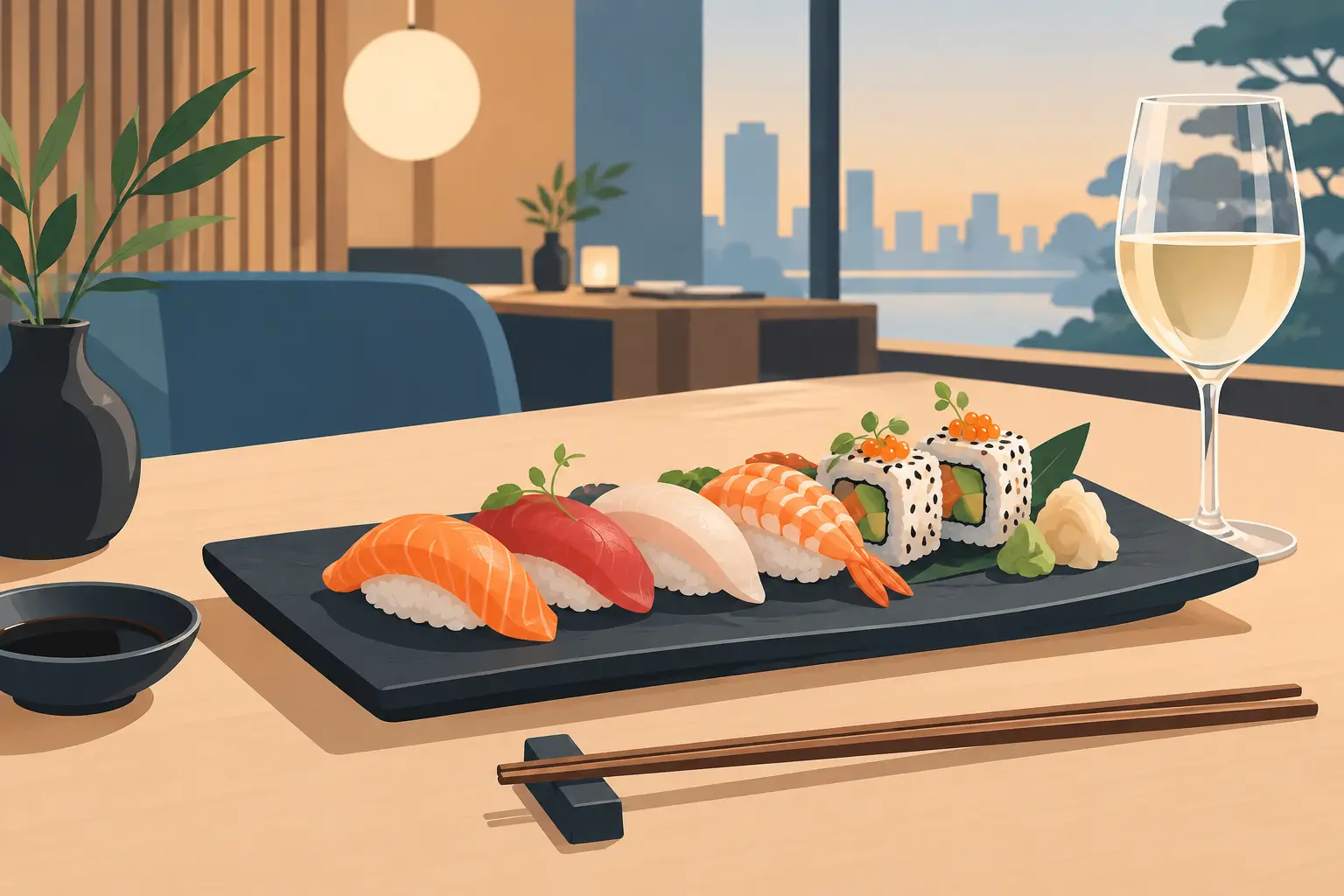
A great sushi dinner should not require a dress code, months of planning, or a once-a-year budget. Casual fine dining offers another way: serious attention to ingredients and craft, served in a setting where guests can arrive hungry, ask questions, and simply enjoy the meal.
For sushi, that balance matters. The difference between ordinary and memorable nigiri often begins long before it reaches the counter - with how fish is selected, shipped, cut, aged when appropriate, and paired with rice. Those details deserve care. They do not need to come with stiffness or an intimidating bill.
Casual Fine Dining Is About Standards, Not Ceremony
Fine dining is often associated with hushed rooms, formal service, and long tasting menus. There is a place for that kind of occasion. But quality is not created by formality alone. It comes from disciplined sourcing, technical skill, consistency, and a staff that understands the ingredients well enough to guide each guest.
Casual fine dining keeps those standards while removing unnecessary barriers. You can come for a date, a family milestone, dinner after work, or a simple craving for excellent sushi. The room can feel polished without feeling precious. Service can be attentive without making guests feel as though they need to know the rules before they sit down.
The trade-off is intentional. A relaxed restaurant may not offer the theatrical pace or extended progression of a high-end, reservation-only counter. In return, it creates space for repeat visits. The best meal is not always the one saved for a special occasion. Sometimes it is the place you can return to when the season changes, when a favorite fish arrives, or when you want dinner that feels a little more considered than usual.
Why Sushi Fits Casual Fine Dining So Well
Sushi is direct. There are few sauces or complicated preparations to hide behind. A piece of nigiri asks the chef to make many precise decisions: the condition of the fish, the angle of the cut, the temperature of the rice, the amount of wasabi, and whether the fish needs a brush of soy, a touch of citrus, or nothing at all.
That clarity makes ingredient sourcing especially important. Fish has a different character depending on its species, origin, season, fat content, and handling. A lean, clean-flavored white fish may be at its best with a delicate seasoning. A richer cut of tuna may need a different balance. The goal is not to make every piece taste the same. It is to let each one show why it was chosen.
A thoughtful omakase is one of the most welcoming ways to experience that range. Rather than asking diners to decode a long sushi menu, the chef builds a meal around what is especially good that day. Familiar favorites can sit alongside a rare selection that might be difficult to find elsewhere in Los Angeles. For guests who already love sushi, it is a chance to notice more. For guests who are newer to omakase, it is a clear and comfortable introduction.
Freshness Is More Than a Delivery Date
“Fresh” is often used as shorthand for quality, but seafood requires a more exact understanding. Some fish is wonderful immediately, while other varieties benefit from careful resting to develop texture and flavor. What matters is knowledgeable handling from the source to the kitchen.
A direct fishmonger relationship can make a real difference. When a chef understands wholesale markets and buys with a clear purpose, the restaurant has more control over what arrives and how it is prepared. Access to fish from Tokyo’s Toyosu Market, New Zealand, and the East and West Coasts can bring broader seasonal variety to the counter. It also makes it possible to choose based on quality rather than relying only on the limited fish that happens to be available through a standard distributor.
Buying whole, wild Bluefin tuna is another example of a craft-driven approach. Different portions of a tuna offer distinctly different experiences, from lean akami to richer toro cuts. Preparing the fish in-house gives the kitchen a closer understanding of each section and helps ensure it is used with care. That is not a luxury detail for its own sake. It is how a sushi restaurant respects an ingredient that has been selected with intention.
An Omakase That Feels Within Reach
Omakase means “I’ll leave it up to you,” but it should never mean giving up control of your evening. A good casual omakase gives guests confidence in the chef while remaining flexible enough for real life. Some diners want a quick, satisfying dinner. Others want to settle in and try something new. Some may have dietary needs or preferences worth discussing before the meal begins.
Accessibility also includes price. When omakase is reserved only for major celebrations, many people miss the pleasure of becoming familiar with seasonal fish over time. An approachable starting point makes it easier to return, compare different selections, and develop your own tastes. You may discover that you prefer a bright, firm white fish in one season and a richer silver-skinned fish in another. That kind of relationship with sushi is built visit by visit.
At UO NIGIRI, three omakase courses beginning at $38 are designed around that idea. Owner-chef Yusuke Irie brings decades of fish wholesale and culinary experience to the restaurant’s sourcing and preparation, then translates that knowledge into a meal that feels welcoming rather than exclusive. The experience is guided, but there is no need to perform expertise at the counter.
How to Get More From the Experience
You do not need special knowledge to enjoy a chef-selected sushi meal, but a few simple habits can help. Let the chef or server know about allergies and dietary restrictions early. If a fish is unfamiliar, ask what it is like - whether it is rich, mild, firm, buttery, or lightly cured. Sushi professionals are usually happy to explain a selection when the question comes from genuine curiosity.
Try each piece as it is served when possible. The chef may have already added wasabi, soy, salt, citrus, or another finishing touch chosen for that fish. Adding extra soy sauce immediately can cover the balance that was intended. If you prefer more seasoning, there is nothing wrong with that. Taste first, then adjust.
It also helps to keep an open mind without forcing yourself to love every bite. A rare fish can be interesting even if it does not become your favorite. Omakase works best when it feels like a conversation: the chef offers a sequence of choices, and diners learn what they enjoy along the way.
Relaxed Service Still Requires Care
The best casual dining rooms make hospitality look easy, but ease is the result of attention. Water is refilled before you need to ask. Questions are answered clearly. A special occasion is recognized without turning the table into a stage. Guests ordering sushi for pickup or delivery can still expect the food to be handled with the same respect as a meal served in the restaurant.
That consistency matters in Marina Del Rey and across the Westside, where dinner plans can change quickly. A date night may become a last-minute celebration. A busy week may call for takeout instead of a long meal. High-quality sushi should be available for both moments, provided the restaurant maintains the same standards in sourcing, preparation, and packaging.
Casual fine dining is not about lowering expectations. It is about putting the right expectations in the right place: on the fish, the rice, the skill behind the counter, and the welcome guests receive. Choose the setting that lets you enjoy those things without overthinking the occasion - then let a well-made piece of sushi do the rest.
MEDIA

SIGN UP OUR NEWSLETTER
 13354 Washington Blvd.,
Los Angeles, CA 90066
Lunch: Temporarily Closed
Dinner: Mon - Sat 5:30 pm - 10:00 pm (Last Call 9:30 pm)
Sun Closed