Blog
What Makes Sushi Authentic? It Starts With the Fish
09.23.2026 | Blog
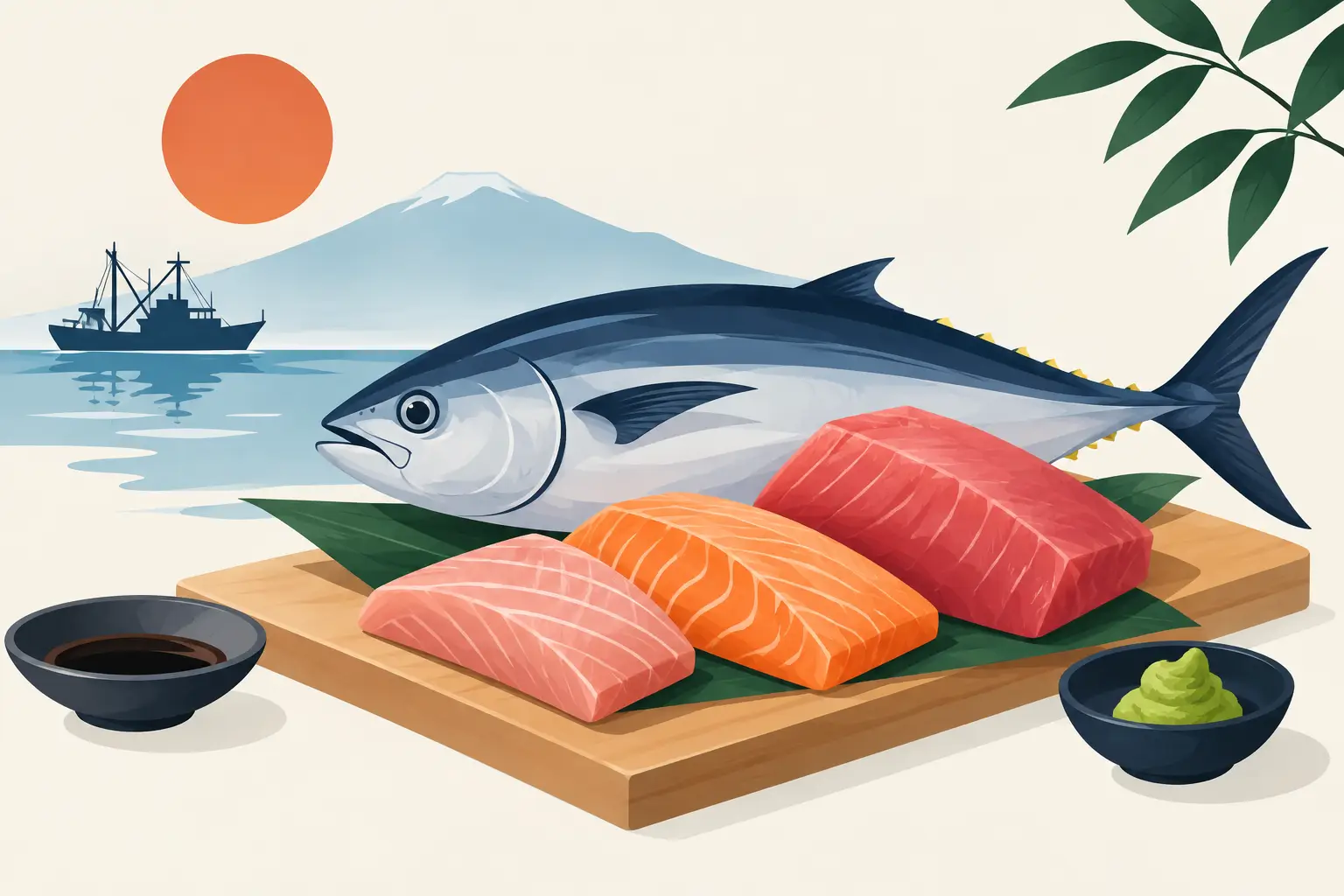
A piece of tuna can look beautiful, taste clean, and still miss the point. What makes sushi authentic is not a single fish, a price tag, or a formal room. It is the discipline behind each piece: how the fish is selected, how it is handled, how the rice is seasoned, and how the chef decides that this is the right moment to serve it.
For diners in Los Angeles, where sushi is everywhere, those details can be the difference between a satisfying meal and one that stays with you. Authentic sushi is rooted in Japanese technique and respect for ingredients, but it does not have to feel distant, expensive, or intimidating. At its best, it is direct, seasonal, and generous.
Authentic Sushi Begins Before the Fish Reaches the Counter
Freshness matters, but fresh does not always mean fish pulled from the water that morning and sliced immediately. Some species improve after a carefully managed resting period, when texture softens and flavor develops. A skilled sushi chef knows the difference between fish that should be served right away and fish that needs time.
That judgment starts with sourcing. Fish should be chosen for its condition, origin, season, fat content, and intended preparation. A lean white fish might call for a touch of salt or kelp curing. Rich tuna may need precise trimming to show its cleanest flavor. A rare seasonal fish may be best served simply, because it already has something distinctive to say.
This is why a direct relationship with fish suppliers matters. It gives the chef more than access to premium seafood. It creates the ability to select fish with purpose, respond to the market, and bring in varieties that do not appear on every standard sushi menu. Fish from Tokyo's Toyosu Market, New Zealand, and the American East and West Coasts can each have a place at the counter, provided it arrives in excellent condition and is treated properly from there.
The Quiet Work of Preparing Fish
A sushi chef's work is often most visible in the final few seconds: a slice of fish, a brush of sauce, a piece of nigiri placed on the plate. Much of the craft happens much earlier. Breaking down whole fish, trimming, aging, curing, salting, marinating, and storing seafood correctly all shape the final bite.
Preparation is not there to disguise fish. It is there to bring out what is already good in it. Konbu-jime, a technique that rests fish between sheets of kelp, can add savory depth to delicate white fish. A brief vinegar cure can brighten mackerel. Simmering, torching, or marinating may be appropriate for certain ingredients, while others need only a clean knife cut.
There is also a practical reason authentic sushi kitchens take preparation seriously: quality and safety depend on it. Fish must be handled at the right temperature, kept clean, and portioned with care. A chef who understands seafood at the wholesale level sees these steps not as back-of-house chores, but as part of the meal itself.
Rice Is Not the Supporting Act
Ask a sushi chef what matters most, and many will point to the rice. Nigiri is not fish resting on a neutral base. The word sushi refers to seasoned rice, and the balance of rice and topping is central to the experience.
Proper sushi rice should be warm or close to body temperature, gently seasoned with vinegar, sugar, and salt, and formed with enough structure to hold together without being packed tight. Its seasoning should support the fish rather than compete with it. If the rice is cold, overly sweet, dry, or compressed into a dense block, even exceptional fish loses some of its expression.
Rice also changes throughout service. Humidity, temperature, and the time since cooking affect its texture. That is one reason sushi is best enjoyed soon after it is made. A chef is not only assembling ingredients. They are working with a living product whose ideal condition is brief.
What Makes Sushi Authentic Is Balance, Not Strict Rules
Authenticity is sometimes treated like a checklist: traditional fish only, no sauces, no cooked ingredients, no adaptation. Japanese food is more thoughtful than that. Sushi has changed across regions and generations, and chefs in Japan have long adapted to local ingredients, seasons, and diners.
The more useful question is whether a choice has a reason. Is the sauce used to balance a fatty fish or to cover mediocre seafood? Is the garnish chosen for aroma and contrast, or simply for visual effect? Does a contemporary preparation still honor the ingredient and the technique behind it?
A spicy roll, baked item, or inventive topping is not automatically inauthentic. It may simply belong to a different style of sushi dining. Traditional Edomae sushi, the Tokyo-style foundation for much modern nigiri, is especially focused on preservation techniques, seasonal seafood, vinegared rice, and measured seasoning. Casual sushi can be authentic in its own way when it is made with the same respect for ingredients and craft.
The trade-off is clarity. The more elements added to a bite, the harder it becomes to taste the fish, rice, and knife work. That is why an omakase meal often moves from clean, delicate flavors toward richer ones. The sequence gives each piece room to be understood.
Seasonality Gives Sushi Its Point of View
A menu that never changes may be convenient, but it cannot fully reflect the rhythm of the sea. Seasonal fish is one of the clearest signs of a sushi program led by a chef rather than a formula.
In colder months, certain fish may carry more fat and richness. In warmer months, lighter fish can feel especially bright and clean. Availability shifts with weather, migration, and market conditions. A chef who follows those changes can offer a meal with variety and a sense of place, even in a city far from Japan.
That does not mean every diner needs to know every Japanese fish name before sitting down. A good sushi experience should be welcoming. The chef or server can explain what is being served, whether it is mild or rich, familiar or unusual, and why it was selected that day. Curiosity should be invited, not tested.
Omakase Makes the Craft Easier to Taste
Omakase means leaving the selection to the chef. It is often associated with luxury, but its real value is guidance. Instead of asking guests to decode a long menu, omakase allows the chef to serve fish at its best and in an order that makes sense.
That can mean starting with delicate white fish, moving toward silver-skinned fish or shellfish, then finishing with richer tuna or a hand roll. It can also mean introducing a guest to a rare variety they might not have ordered on their own. The experience is personal without needing to be formal.
At UO NIGIRI, owner-chef Yusuke Irie's fish wholesale background informs that approach. Whole, wild Bluefin tuna and market-driven selections are prepared in-house, then offered through accessible omakase courses alongside sushi for a casual dinner, date night, or celebration. The standard is serious, but the invitation is simple: come hungry and let the fish lead.
How to Recognize Quality on Your Plate
You do not need professional training to notice authentic care. Start with the aroma. Good sushi should smell clean and lightly oceanic, never aggressively fishy. Look at the cut of the fish: it should suit the species, with a smooth surface and an appealing texture rather than ragged edges.
Then take one piece as it is served before reaching for extra soy sauce or wasabi. Notice whether the rice is comfortable to bite through, whether the fish and rice separate gently, and whether the seasoning feels intentional. Many chefs already season nigiri with a small amount of soy-based sauce, salt, citrus, or wasabi. Adding more is always your choice, but tasting the chef's version first lets you understand the balance they built.
Authentic sushi does not ask you to perform expertise. It asks for attention. Order what sounds good, try something unfamiliar when the moment feels right, and eat each piece while it is still at its best. The reward is not just better sushi, but a clearer connection to the care that brought it to your plate.
MEDIA

SIGN UP OUR NEWSLETTER
 13354 Washington Blvd.,
Los Angeles, CA 90066
Lunch: Temporarily Closed
Dinner: Mon - Sat 5:30 pm - 10:00 pm (Last Call 9:30 pm)
Sun Closed