Blog
What Does Omakase Cost in Los Angeles? A Guide
09.15.2026 | Blog
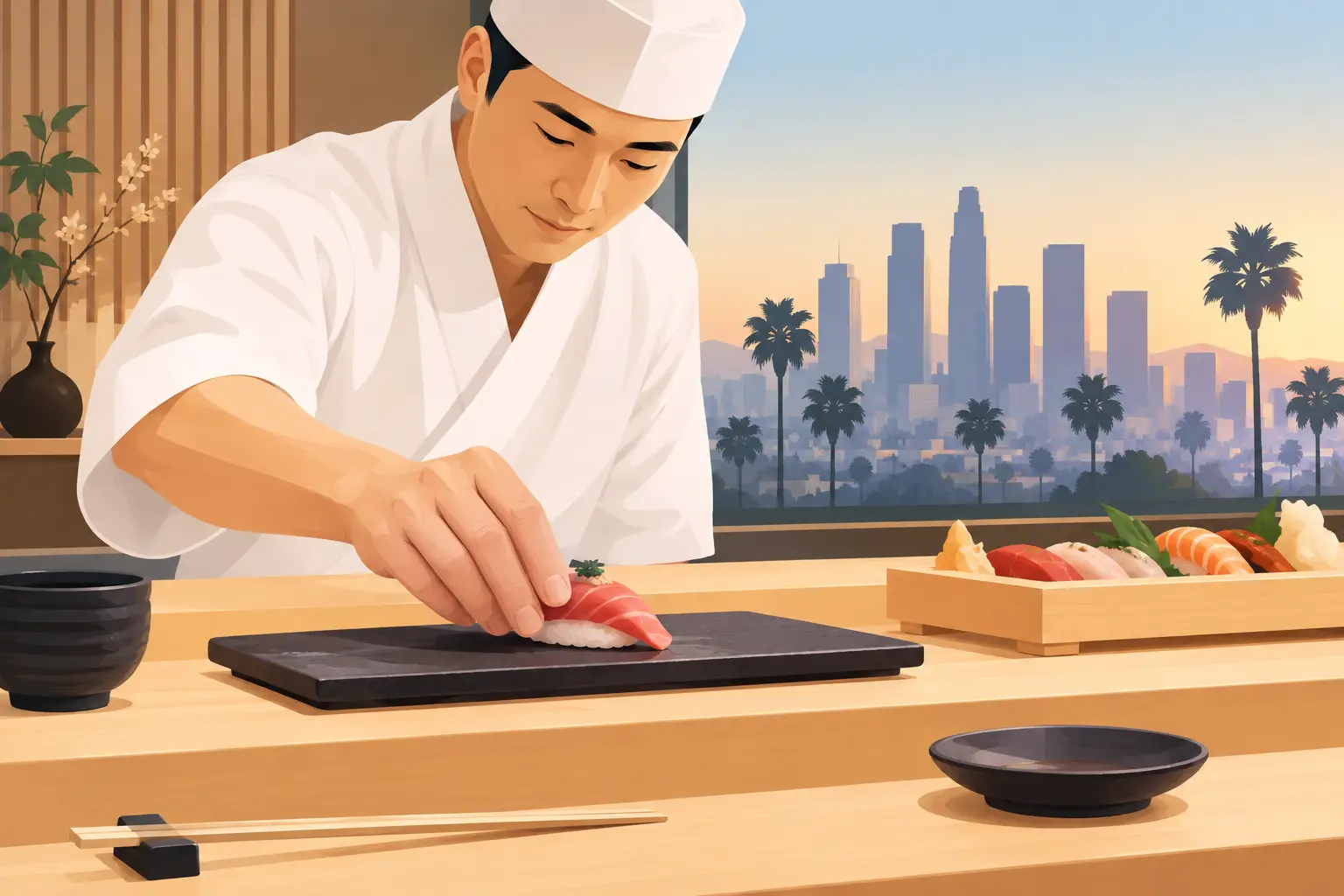
A memorable omakase meal can cost anywhere from a casual dinner to a major special-occasion expense. The difference is not simply the number of pieces on the plate. Omakase cost reflects the fish, the chef’s preparation, the sourcing behind each selection, and the kind of experience the restaurant intends to offer.
For Los Angeles diners, that range can feel especially wide. One restaurant may serve a chef-selected sushi course for under $50, while an intimate reservation-only counter can ask for several hundred dollars per guest before drinks, tax, and gratuity. Neither format is automatically better. The right choice depends on whether you are looking for a relaxed weeknight meal, a date-night experience, or a long, highly formal tasting at the counter.
What does omakase cost in Los Angeles?
In Japanese, omakase means “I’ll leave it up to you.” Instead of ordering every piece individually, you place the progression of the meal in the chef’s hands. That can mean a concise sushi course, a multi-course dinner with cooked dishes, or a long sequence of seasonal nigiri served one piece at a time.
In Los Angeles, casual omakase courses often begin around $35 to $75 per person. Mid-range experiences commonly fall between $100 and $200, particularly when they include more courses, premium seafood, a dedicated counter setting, or limited-seat service. High-end omakase can run $250 to $500 or more per person, especially when rare imports, luxury ingredients, and an extended chef-led service are part of the meal.
Those numbers are useful starting points, but they do not tell the full story. A lower price does not have to mean ordinary fish, and a higher price does not guarantee that a meal suits your taste. Look at what is being served, how it is sourced, and whether the format matches the occasion.
Why the price range is so wide
The fish is the foundation
Sushi is deceptively simple. With only a few components in each bite, there is nowhere for a fish that lacks freshness, proper temperature, or careful handling to hide. A restaurant’s seafood purchasing decisions therefore have a direct effect on both quality and price.
Fish flown from Japan, New Zealand, or specialized domestic suppliers costs more to procure and handle than standard, broadly distributed product. Seasonality matters, too. Certain fish are plentiful at one time of year and much harder to find at another. A chef may substitute a different species because it is at its best that week, not because the original plan was unavailable.
The preparation behind the fish also matters. Some varieties need to be aged briefly for texture and depth. Others are cured with salt, marinated, lightly seared, scored, or paired with a precise amount of citrus, soy, ginger, or wasabi. Buying whole fish and preparing it in-house takes time and skill, but it gives the chef more control over quality from start to finish.
Course length changes the experience
A $38 course and a $300 course should not be judged by the same expectations. A shorter, accessible course may center on a thoughtful selection of nigiri and offer an excellent introduction to seasonal fish. A longer menu can include appetizers, sashimi, cooked dishes, hand rolls, dessert, and a much broader range of premium seafood.
More courses require more product, more prep, and more service time. Still, quantity alone is not the point. A focused eight- or ten-piece meal can be deeply satisfying when each piece is well chosen and properly made. For many diners, that is a better fit than a three-hour dinner built around formality.
The room and service model are part of the bill
A tiny counter with a limited number of seats is expensive to operate. If a chef serves every piece directly across the counter, explains each course, and turns only one seating per evening, labor and overhead become part of the omakase cost.
That intimacy can be wonderful for a birthday, anniversary, or serious sushi enthusiast. It can also make spontaneous dinners difficult and put a great meal out of reach for diners who simply want fresh sushi after work. Casual omakase restaurants take a different approach: professional preparation, excellent fish, and a comfortable pace without making every visit feel like a ceremony.
What should an approachable omakase include?
Value is not about chasing the lowest number. It is about knowing what your money supports. An approachable omakase should still feel intentional: rice seasoned to complement the fish, pieces served at the right temperature, a balanced mix of familiar and seasonal selections, and clear care in the knife work.
You should also be able to see a restaurant’s point of view. Maybe that means exceptional tuna, a focus on fish that is difficult to find on standard sushi menus, or a strong relationship with particular markets and suppliers. A chef-selected course is most rewarding when it gives you something you would not have chosen on your own, while remaining welcoming if you are still learning the names of different fish.
At UO NIGIRI, three casual omakase courses begin at $38. The approach is rooted in owner-chef Yusuke Irie’s background in fish wholesale and culinary work, with seafood sourced through relationships that reach Toyosu Market, New Zealand, and the East and West Coasts. Purchasing whole, wild Bluefin tuna and preparing fish in-house makes it possible to bring both trusted favorites and less common selections to the counter without reserving the experience for only the biggest nights out.
How to compare omakase without getting lost in the price
Start by asking what kind of evening you want. If you are planning a celebration where you want a slow, immersive meal and close interaction with the chef, a higher-priced counter may be worth it. If you want a polished dinner before a movie, a satisfying date night, or a way to try chef-selected sushi more often, a casual course may offer better value.
Then look beyond the piece count. A menu with fewer pieces may feature better fish, more exact preparation, or a stronger seasonal point of view than a longer menu. On the other hand, a large course can be a good choice if you want variety and a fuller meal. Consider whether appetizers, hand rolls, dessert, beverages, tax, and gratuity are included or will be additional.
It also helps to think about your own preferences. Omakase is chef’s choice, but good hospitality leaves room for practical guidance. If you do not eat shellfish, prefer cooked seafood, have an allergy, or are unsure about a particular ingredient, let the restaurant know before the meal begins. The best experience is not about proving how adventurous you are. It is about finding a progression of sushi you genuinely enjoy.
When a lower omakase cost is actually a better choice
There is a tendency to treat expensive omakase as the only “real” version of the experience. That overlooks the pleasure of returning regularly. Sushi becomes more interesting when you can visit in different seasons, notice how the fish changes, and build trust in a chef’s selections over time.
An accessible price point also makes omakase easier to share. It can be a relaxed first date, a family dinner, a celebration with friends, or a solo meal when you want someone else to choose well for you. You do not need a reservation months in advance or a once-a-year budget to enjoy carefully sourced fish.
The trade-off is straightforward: a casual course may not include every luxury ingredient or the extended theater of an elite counter. But it can still deliver the part that matters most - fish selected with knowledge, prepared with restraint, and served in a setting where you can settle in and enjoy it.
When you are considering omakase, choose the meal that makes you excited to return. The most satisfying course is not necessarily the most expensive one. It is the one where the fish feels cared for, the chef’s choices make sense, and the experience fits naturally into your life.
MEDIA

SIGN UP OUR NEWSLETTER
 13354 Washington Blvd.,
Los Angeles, CA 90066
Lunch: Temporarily Closed
Dinner: Mon - Sat 5:30 pm - 10:00 pm (Last Call 9:30 pm)
Sun Closed