Blog
Is Omakase Worth It? A Better Way to Decide
09.27.2026 | Blog
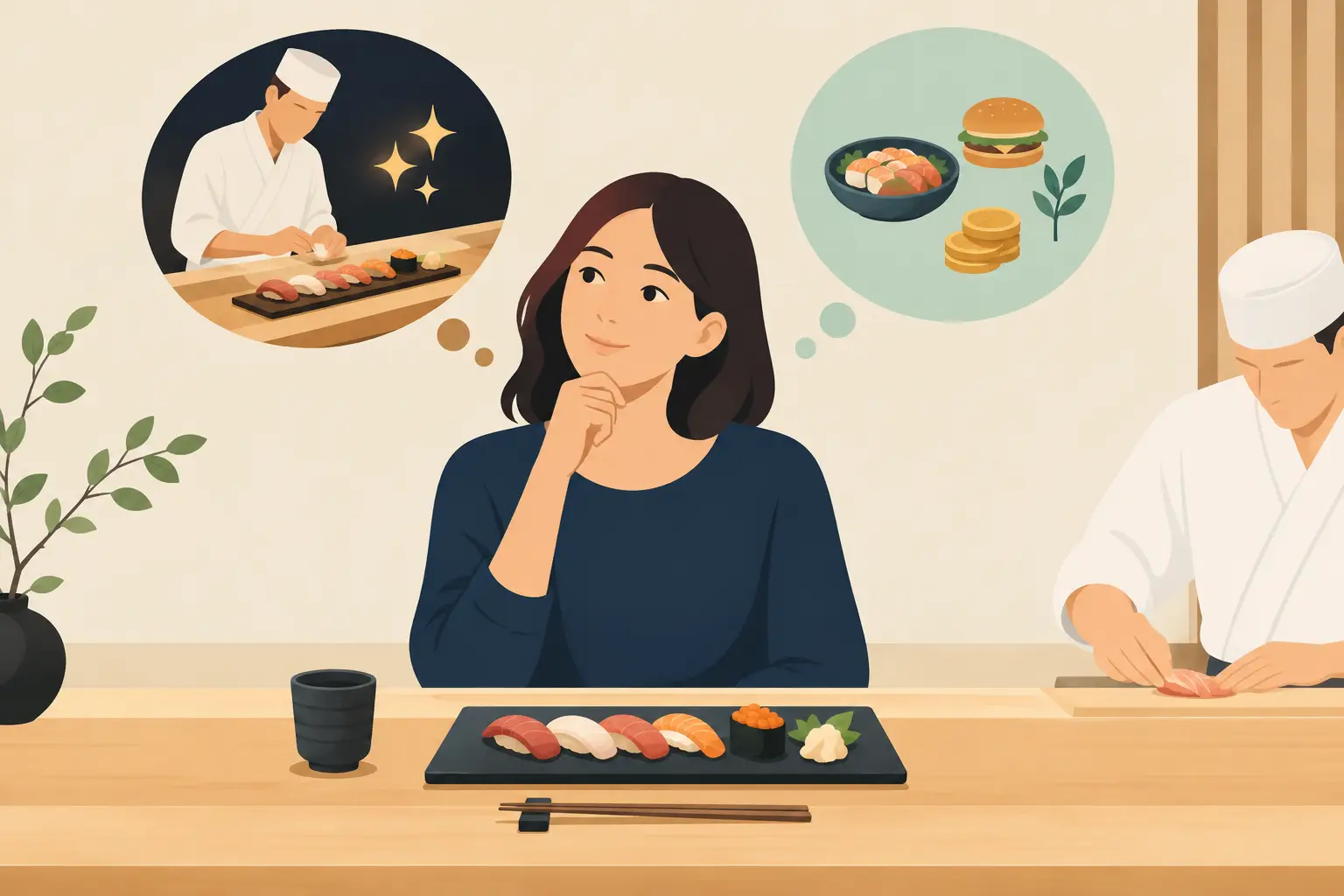
A great piece of sushi can look simple: fish, rice, perhaps a brush of soy or a little citrus. But getting that one bite right requires decisions most diners never see - when the fish was bought, how it was handled, how it was cut, and whether it is at its best today. So, is omakase worth it? Often, yes, when you want a meal shaped around those decisions rather than a fixed list of familiar rolls.
Omakase is not automatically worth it because it is expensive, exclusive, or served at a counter. Its value comes from trusting a chef to select and serve fish according to freshness, season, texture, and balance. The best experience feels personal and relaxed, not like a test of how much you know about sushi.
What You Are Actually Paying for
Omakase translates roughly to “I’ll leave it to you.” In a sushi restaurant, that means the chef builds your meal instead of asking you to assemble it piece by piece from a menu. You may receive familiar favorites such as tuna or yellowtail alongside fish you would not ordinarily order, prepared in ways that suit the ingredient.
That format has practical advantages. A chef can serve a delicate white fish before a richer cut of tuna, offer a lightly cured piece when its flavor needs focus, or add a touch of citrus when it brightens the fish better than soy sauce would. The sequence matters. So does the temperature of the rice, the firmness of the fish, and the amount of wasabi between them.
You are also paying for purchasing and preparation that happen well before dinner. High-quality sushi begins with sourcing. Fish may arrive from local waters, the East Coast, New Zealand, or Tokyo’s Toyosu Market, depending on what is in season and what meets the chef’s standards. It is then broken down, trimmed, aged or cured when appropriate, and portioned with care. A lower-priced piece of fish is not necessarily bad, but it may not receive the same level of selection or handling.
At its best, omakase turns that behind-the-scenes work into a meal with a point of view. Instead of ordering the same salmon, spicy tuna, and California roll every time, you get a clear sense of what a skilled sushi chef wants to serve right now.
Is Omakase Worth It for Your Dinner?
It depends on what you want from the night. Omakase is a particularly good choice when you are curious about fish beyond your usual order, dining with someone who appreciates a guided experience, or marking an occasion without wanting a stiff fine-dining production. It also works well for a date night because the meal naturally gives the table something to talk about.
For many Los Angeles diners, the strongest argument is variety. A chef-selected course can introduce you to seasonal mackerel, sweet shrimp, sea bream, different cuts of Bluefin tuna, or a rare fish that is not regularly available on a broad menu. You do not need to become a sushi expert first. You only need to arrive open to trying what is good.
Omakase can be less worthwhile if you have very specific cravings and do not want surprises. If you came solely for a large serving of uni, a favorite hand roll, or a particular cooked dish, ordering à la carte may leave you happier. The same is true when dietary needs are complex. A good restaurant should be able to discuss allergies and preferences, but chef’s choice has limits when many ingredients must be excluded.
Budget matters, too. Some omakase experiences are designed as long, formal tasting menus with prices that make sense only for major celebrations. Others are built for repeat visits, with a shorter course and a more casual room. The question is not whether the highest price guarantees the best meal. Ask whether the format, fish quality, and level of care match the price you are paying.
The Difference Between Expensive and Valuable
A high bill can come from scarcity, a famous reservation, an elaborate setting, imported ingredients, or labor-intensive preparation. Those things can be meaningful, but they are not the only measures of a worthwhile sushi meal.
Value is easier to recognize when a restaurant can explain its fish. Is the chef buying according to season? Is the tuna prepared in-house? Are there several kinds of fish to try, rather than the same few options found everywhere? Does the rice support the fish instead of becoming an afterthought? And, just as important, does the service make you comfortable asking questions?
Whole fish purchasing is one sign of serious intent. For example, buying a whole wild Bluefin tuna allows a sushi team to work with different cuts and textures, from lean akami to richer toro, rather than relying only on pre-portioned pieces. That approach requires knowledge, storage, and careful preparation. For diners, it can mean a more revealing taste of tuna and a menu that changes with what is truly available.
Price should still be clear. A course that starts at $38 tells a different story from a reservation-only tasting menu that costs several hundred dollars. Neither is inherently better. An accessible course can be a smarter choice if it gives you excellent fish, thoughtful pacing, and enough room in your evening to come back next month.
How to Get More From an Omakase Meal
The simplest way to enjoy omakase is to let the chef lead. Eat each piece soon after it is served, before the rice cools or the seasoning changes. If the sushi arrives already dressed with soy, salt, citrus, or a sauce, taste it first as presented. Adding soy sauce automatically can cover the details the chef intended you to notice.
Share your preferences at the beginning, not halfway through the meal. It is useful to say that you love rich fish, prefer cooked seafood, dislike scallops, or are trying to avoid a certain ingredient. Being honest is not rude. It helps the chef make better choices within the course.
You can ask questions without turning dinner into an interview. A simple “What is this?” or “How is this prepared?” often opens a memorable conversation. Sushi has a deep vocabulary, but no one should need a glossary to enjoy it. A welcoming chef or server will meet your curiosity with clarity, not ceremony.
Drinks can help, although they are not required. Crisp sake, Japanese beer, sparkling water, or green tea can reset your palate between richer pieces. Avoid strongly flavored drinks that overwhelm subtler fish. The goal is not to follow a rulebook. It is to leave enough space to taste what is on the rice.
Why Casual Omakase Can Be the Sweet Spot
There is a mistaken idea that omakase must be hushed, formal, and reserved for people who plan weeks ahead. In reality, the tradition can be remarkably generous. It is a chef saying, in effect, “Let me show you what is good today.” That invitation works just as well at a comfortable neighborhood dinner as it does at a luxury counter.
For Westside diners, a casual format can make higher-quality sushi part of ordinary life rather than a once-a-year splurge. At UO NIGIRI, chef-owner Yusuke Irie brings a fishmonger’s sourcing experience to approachable omakase courses, including options starting at $38. The point is not to make diners feel as though they have entered an exclusive club. It is to give them a closer connection to seasonal fish, prepared with Japanese standards and served with hospitality.
That accessibility also encourages repeat visits, which is one of the best ways to understand omakase. A single meal may introduce you to a favorite fish. Returning in another season shows how much the selection can change. The chef’s choices are not random. They respond to supply, weather, migration, condition, and the small daily judgments that make sushi a craft.
Choose the Experience That Fits the Moment
If you want total control, order the pieces you already love. If you want to be surprised, learn something new, and taste a meal built around the day’s best fish, omakase can offer far more than dinner. The right one should feel generous rather than intimidating, and considered rather than showy.
Save the most formal counters for the occasions when their pace and price feel exciting. On other nights, look for a chef who buys well, prepares carefully, and is happy to serve remarkable fish without asking you to make a ceremony out of it. That is when omakase earns its place in your regular dinner rotation.
MEDIA

SIGN UP OUR NEWSLETTER
 13354 Washington Blvd.,
Los Angeles, CA 90066
Lunch: Temporarily Closed
Dinner: Mon - Sat 5:30 pm - 10:00 pm (Last Call 9:30 pm)
Sun Closed