Blog
What Premium Sushi Value Means at Dinner
11.08.2026 | Blog
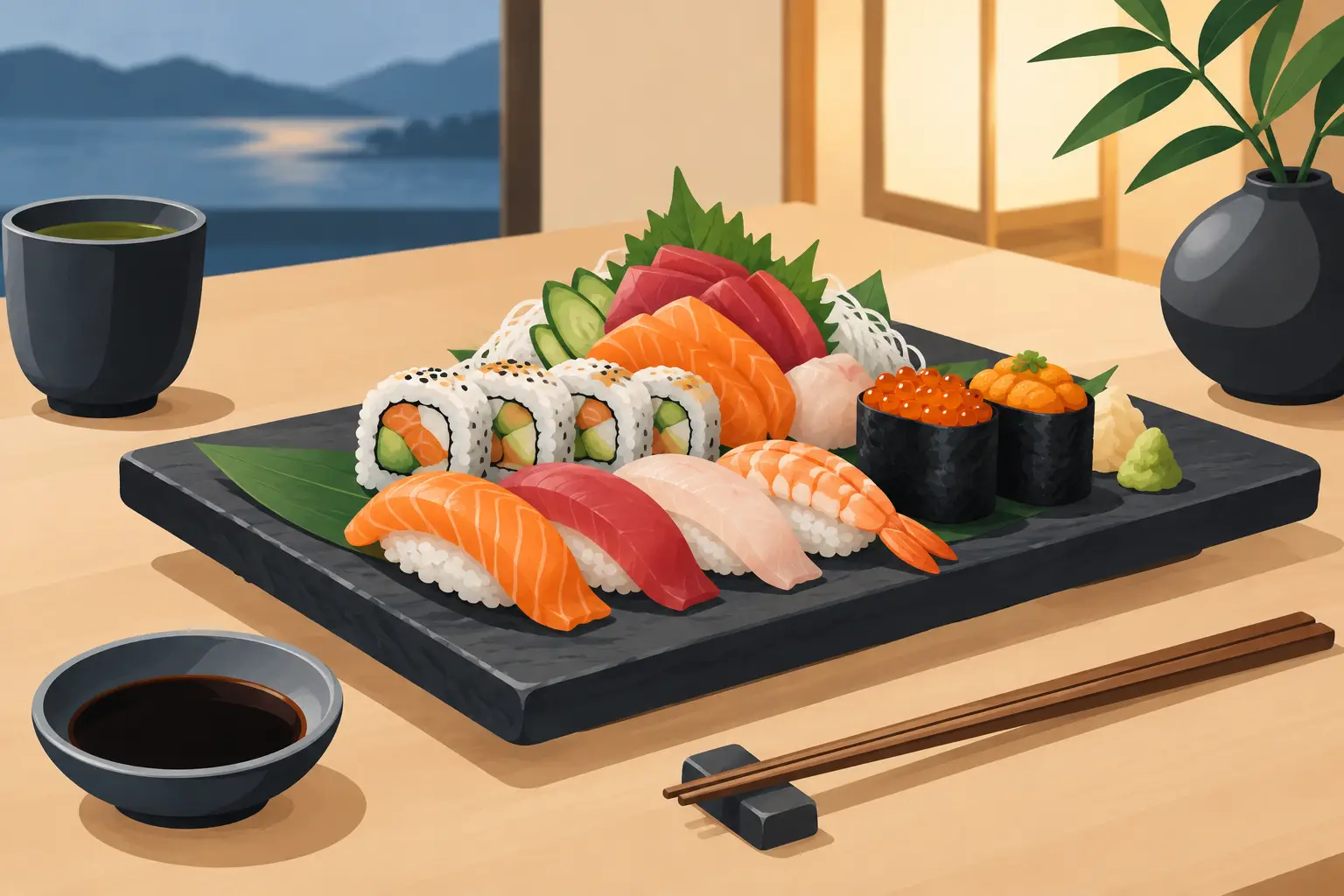
A great sushi dinner can feel special without feeling out of reach. That is the heart of premium sushi value: fish chosen with care, handled by people who understand it, and served in a setting where you can relax enough to enjoy every piece. The price matters, of course. But value is not simply about finding the lowest number on a menu. It is about knowing what your dinner makes possible.
For Los Angeles diners, sushi choices range from rushed convenience to reservation-only counters with intimidating totals. There is room for both, depending on the occasion. Yet many dinners call for something more balanced: a chef-led experience with serious ingredients, clear standards, and a price that leaves room to come back next week.
Premium Sushi Value Starts Before the Fish Reaches the Counter
Sushi is often judged by its final presentation, but the important work begins much earlier. The difference between an ordinary piece of nigiri and a memorable one is frequently decided at the market, in the way a fish is selected, transported, broken down, and stored.
Seasonality is part of that equation. A fish may be familiar, but its quality changes throughout the year based on migration, water temperature, fat content, and availability. A chef who buys according to the season has a better chance of serving fish at its natural peak rather than relying on the same fixed list every day.
Direct sourcing also matters. When a restaurant works closely with fishmongers and understands wholesale seafood, it can make more informed decisions about origin, condition, and timing. Fish from Tokyo's Toyosu Market, New Zealand, and the East and West Coasts of the United States each has its own character. The point is not to choose an ingredient just because it sounds impressive. It is to select what is tasting best and handle it with respect.
That level of attention can bring more variety to the plate. Alongside favorites such as salmon, yellowtail, and tuna, diners may encounter fish that rarely appear on broad, conventional sushi menus. For a guest, that can mean a new flavor. For the chef, it is a chance to build a meal around what the market is actually offering.
Why Whole Fish Preparation Changes the Experience
Buying whole fish requires more skill and more time than ordering pre-portioned cuts. It also gives the kitchen greater control. Different sections of a fish have different textures and levels of richness, and each may deserve a different cut, seasoning, or place in the progression of an omakase meal.
Bluefin tuna is a clear example. A whole, wild Bluefin contains a range of expressions, from lean akami to rich toro. Treating it as a single ingredient misses the point. Thoughtful preparation lets the chef show the contrast between those cuts and serve each one when it makes the most sense.
In-house preparation also supports better quality control. A restaurant can assess the fish as it is cut, adjust its approach, and decide how to use each portion well. This is not a promise that every bite will taste identical. In fact, the small variations are part of what makes seasonal sushi rewarding. One visit might highlight a clean, delicate white fish, while another leans into a richer, more savory selection.
There is a trade-off. A tightly seasonal menu may not always have every familiar item a diner expects. But when the chef has the flexibility to follow quality rather than a rigid checklist, the meal has a stronger reason for being the way it is that night.
Premium Sushi Value Is Not About Excess
Premium does not need to mean oversized portions, unnecessary ceremony, or a room where guests worry about using the wrong fork. Sushi is a craft of proportion. The rice should be properly seasoned and shaped. The fish should be cut to complement its texture. A small amount of citrus, salt, soy, or fresh wasabi should clarify flavor, not cover it.
That restraint is especially meaningful in omakase. A chef-selected meal gives diners a guided way to explore fish without having to decode every market name or make a long series of decisions. The sequence can move from lighter flavors to fuller ones, balancing familiar comfort with a few surprises.
For newcomers to omakase, this can be a welcoming entry point. You do not need expert knowledge to enjoy it. Let the chef know about allergies, dietary needs, or ingredients you prefer to avoid, then arrive curious. For experienced sushi diners, a more approachable omakase can be equally appealing because it makes regular visits realistic. You can return, taste the changes in the market, and build a relationship with the food rather than saving sushi for one annual event.
At UO NIGIRI, accessible omakase courses start at $38. That price point reflects a simple belief: well-sourced fish and authentic Japanese sushi can belong to a casual dinner, a date night, or a family celebration, not only a once-in-a-lifetime reservation.
How to Judge Value on a Sushi Menu
Price alone does not tell the whole story. A lower-priced meal can be the right choice when you want a quick lunch or a familiar roll. A higher-priced meal can be worthwhile when sourcing, preparation, and service support the cost. The useful question is whether the restaurant is putting its attention where you can taste it.
Look for specificity. Does the menu or staff speak clearly about seasonal fish, sourcing, or preparation? Are there choices beyond the standard lineup, with an explanation rather than a confusing wall of names? Is the rice treated as an essential part of nigiri rather than an afterthought?
Also notice the pacing. Good sushi should not feel like an assembly line. Even in a relaxed setting, each course benefits from being served at the right moment. Rice changes as it sits, and fish reveals itself differently at various temperatures. A thoughtful counter or dining room respects those details without turning dinner into a lecture.
Service is part of value, too. Hospitality should make guests feel more comfortable, not less. A strong team can help a first-time diner choose a course, explain an unfamiliar fish in plain language, and accommodate a celebration without adding stiffness to the evening.
When Omakase Makes the Most Sense
Omakase is especially rewarding when you want to put the decision-making in capable hands. It works well for a date when neither person wants to spend the first twenty minutes comparing menu items. It suits a birthday or milestone when the goal is a meal with a little more care. It also makes a satisfying weeknight dinner when you want something fresh, balanced, and complete without a long planning process.
It may not be the best fit every time. Diners with very specific cravings may prefer ordering nigiri individually. Groups with widely different appetites might be happier mixing sushi, small plates, and a la carte choices. Delivery and pickup can be ideal when the evening calls for excellent sushi at home rather than a sit-down meal.
The best restaurant experience is the one that fits the moment. Flexibility is part of what makes quality accessible.
A Better Standard for an Everyday Treat
Premium sushi should earn its place through the fish, the hands preparing it, and the care guests feel from the moment they sit down. It should not rely on vague luxury language or make diners feel that appreciation is reserved for insiders.
When you are choosing sushi in Marina del Rey or around the Westside, consider what is behind the plate: where the fish came from, whether the menu responds to the season, and whether the experience invites you back. The most satisfying value is a dinner that feels considered, tastes fresh, and still leaves you thinking about your next visit.
MEDIA

SIGN UP OUR NEWSLETTER
 13354 Washington Blvd.,
Los Angeles, CA 90066
Lunch: Temporarily Closed
Dinner: Mon - Sat 5:30 pm - 10:00 pm (Last Call 9:30 pm)
Sun Closed