Blog
Which Sushi Is Cooked? A Clear Menu Guide
11.12.2026 | Blog
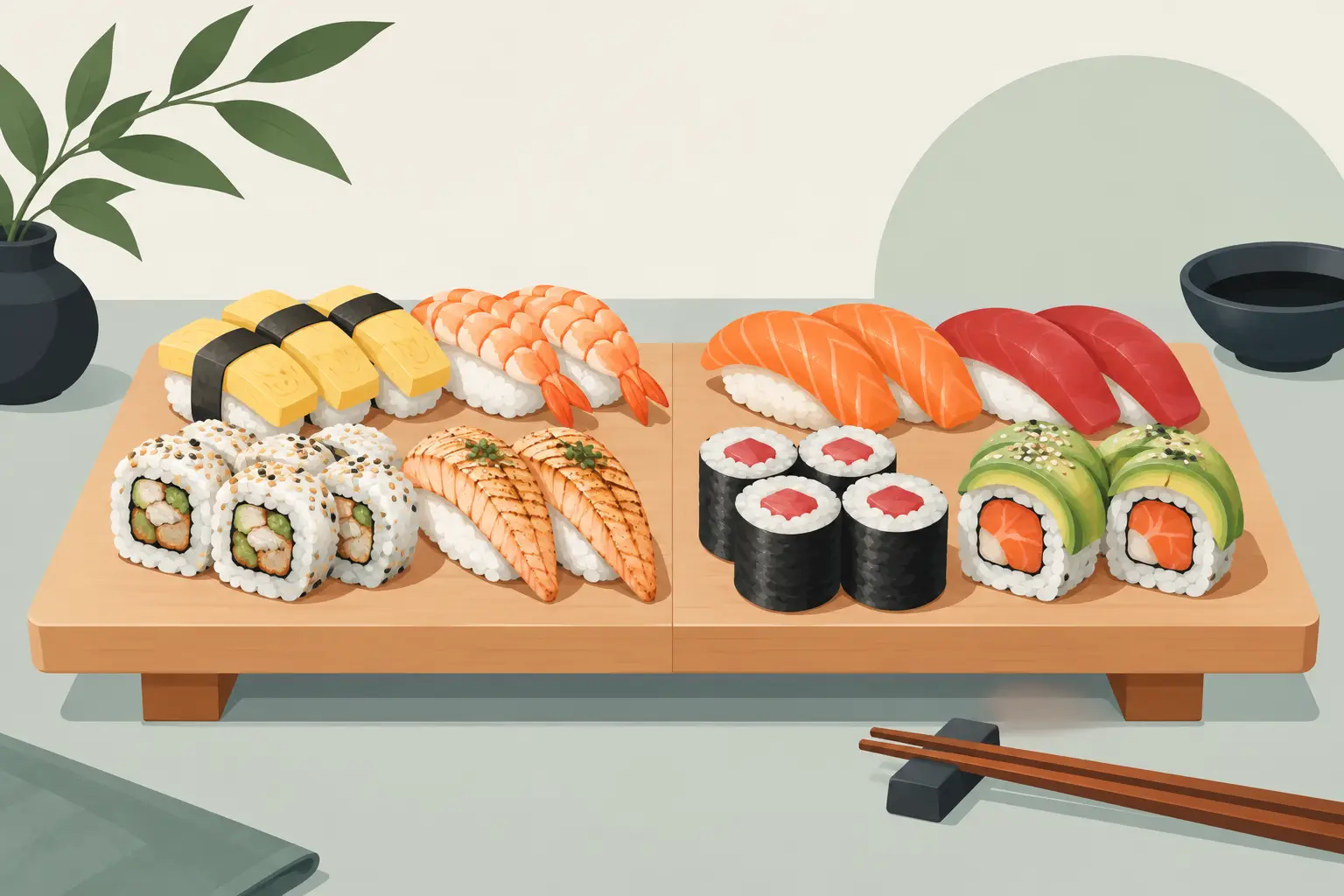
A sushi menu can look familiar until one question stops an order in its tracks: which sushi is cooked? The answer is more varied than “the one without raw fish.” Sushi can feature cooked seafood, grilled fish, fried components, cooked sauces, or vegetables, while still carrying the same care in seasoning, rice temperature, knife work, and balance that makes great sushi memorable.
For diners who prefer cooked seafood, are new to sushi, or simply want a little variety alongside raw fish, there is plenty to enjoy. The key is knowing what the menu language means - and remembering that a cooked item is not automatically simple or less traditional.
Which Sushi Is Cooked? Start With These Familiar Choices
The most dependable cooked sushi choices are unagi, anago, shrimp, crab, octopus, tamago, and many rolls made with tempura or cooked seafood. Preparation varies by restaurant, so a quick question to your server or chef is always welcome, especially if avoiding raw seafood is a dietary or health-related priority.
Unagi and anago
Unagi is freshwater eel, usually grilled and brushed with a sweet-savory tare sauce. Its texture is tender and rich, with a lightly caramelized exterior from the grill. It is one of the easiest cooked nigiri choices for guests who want something substantial and deeply savory.
Anago is saltwater eel. It is also cooked, but it is often softer, lighter, and more delicate than unagi. Depending on the chef’s style, it may be simmered, steamed, or gently grilled before being served over rice. Both are classic examples of sushi that reward attention to technique rather than rawness.
Ebi, kani, and octopus
Ebi, or shrimp, is commonly boiled or poached and served as nigiri. It has a clean, sweet flavor and a firm bite. Some menus may offer amaebi, or sweet shrimp, which is typically raw, so do not assume every shrimp item is cooked.
Kani means crab, but the details matter. Real crab may be cooked and served in a roll, salad, or nigiri preparation. “Crab stick” or imitation crab is also cooked, usually made from seasoned fish paste. Both are common cooked options, though their flavor and texture are very different.
Tako, or octopus, is generally cooked before it reaches the sushi counter, often by simmering until tender. It can be pleasantly chewy and mild, especially with a touch of citrus or a bright seasoning. It is cooked, but it may not be the first choice for someone who dislikes firmer seafood textures.
Tamago
Tamago is a Japanese-style sweet egg omelet. It is cooked, folded in layers, and often served as nigiri. The best versions are tender, lightly sweet, and balanced rather than dessert-like. It is an especially good option for children, vegetarian-leaning diners who eat eggs, or anyone seeking a gentle finish to a meal.
Cooked Rolls Are Not All the Same
Many people first encounter cooked sushi through rolls, but “cooked roll” can describe several very different preparations. A shrimp tempura roll, for example, contains fried shrimp. A baked roll may be topped with cooked seafood and a warm sauce. A California roll often includes cooked imitation crab, avocado, and cucumber.
Tempura rolls bring crunch and richness. They can be satisfying for a first-time sushi diner, but the frying can cover the finer flavor of the seafood. Baked rolls tend to be creamy, warm, and filling, often with mayonnaise-based sauces. They are comforting, though they can feel heavier than nigiri or a simple hand roll.
If you want a cooked choice that still lets the seafood speak clearly, look for eel nigiri, cooked shrimp nigiri, octopus nigiri, or a simple cooked crab hand roll. If you want something indulgent and warm, tempura and baked rolls are likely a better fit.
Cooked Does Not Always Mean “No Raw Ingredients”
This is the most useful detail to remember when ordering. A roll may contain cooked shrimp tempura but be topped with raw tuna, salmon, or yellowtail. A spicy crab roll may use cooked crab, while a garnish of fish roe or a side of sashimi remains raw. Even a roll described as “baked” may have raw fish inside before it is finished under heat.
The same caution applies to sauces and toppings. Masago and tobiko, the tiny orange or red roe often used as garnish, are usually cured rather than cooked. Some restaurants use raw scallop, salmon, or tuna in spicy mixtures. If you are avoiding raw seafood completely, say so plainly: “Could you recommend an option with no raw fish or raw roe?”
That wording gives the restaurant enough information to guide you well without turning the conversation into a test of menu vocabulary.
The Difference Between Cooked Sushi and Sushi With Raw Fish
Sushi refers primarily to seasoned rice, not raw fish. Nigiri is a small piece of rice topped with fish, seafood, egg, or another ingredient. Sashimi is sliced seafood served without rice. Rolls, or maki, wrap rice and fillings in seaweed or may be made in an inside-out style with rice on the outside.
That means sushi can be entirely cooked, entirely raw, or a combination of both. The quality question is not simply whether an item has been heated. It is whether the ingredient is handled for its best expression.
Raw fish calls for careful sourcing, storage, trimming, and timing. Cooked seafood calls for just as much judgment. Shrimp can become rubbery, eel can become overly sweet, octopus can be tough, and fried components can lose their texture if they sit too long. A thoughtful sushi counter treats each one according to its nature.
How to Order Confidently When You Prefer Cooked Sushi
Start with your preference, not an apology. There is no need to order raw fish to have a real sushi experience. Tell your server or chef that you are looking for cooked seafood, warm items, or no raw ingredients. They can point you toward the best choices available that day.
If you are sharing with friends who want raw fish, a mixed order works beautifully. Choose a few cooked nigiri pieces, perhaps eel and shrimp, then add a cooked hand roll or a tempura roll. The contrast gives the table different textures without making the meal feel divided between “beginner” and “expert” choices.
For an omakase meal, ask whether the chef can accommodate cooked preferences. Some courses are designed around seasonal raw fish and may be difficult to alter completely. Others can be adapted with cooked seafood, tamago, vegetables, or hot dishes. It depends on the day’s ingredients and the structure of the course, which is why communicating before the meal is helpful.
At UO NIGIRI, that conversation is part of the welcome. A chef-selected meal should feel guided, not intimidating, whether you are eager to try seasonal fish or know you would rather begin with cooked selections.
When Cooked Sushi Is the Better Choice
Cooked sushi is often the right order for pregnancy-related dietary guidance, immune concerns, a seafood preference, or a first visit to a sushi restaurant. Individual needs differ, so diners following medical advice should check with their healthcare professional and tell the restaurant about relevant restrictions.
It is also simply a good choice when the mood calls for it. On a cool evening, grilled eel and a warm hand roll may be more appealing than chilled sashimi. For a family dinner, tamago and shrimp can make the menu feel inviting to younger diners. During a longer meal, cooked pieces can add warmth and richness between lighter bites of fish.
The best sushi order is not a performance of what you think you should like. It is a meal that suits your appetite, comfort level, and curiosity. Start with the cooked choices that sound good, ask a clear question when a menu description is uncertain, and leave room for one new bite when you feel ready.
MEDIA

SIGN UP OUR NEWSLETTER
 13354 Washington Blvd.,
Los Angeles, CA 90066
Lunch: Temporarily Closed
Dinner: Mon - Sat 5:30 pm - 10:00 pm (Last Call 9:30 pm)
Sun Closed