Blog
Why Intimate Sushi Counter Dining Feels Special
11.10.2026 | Blog
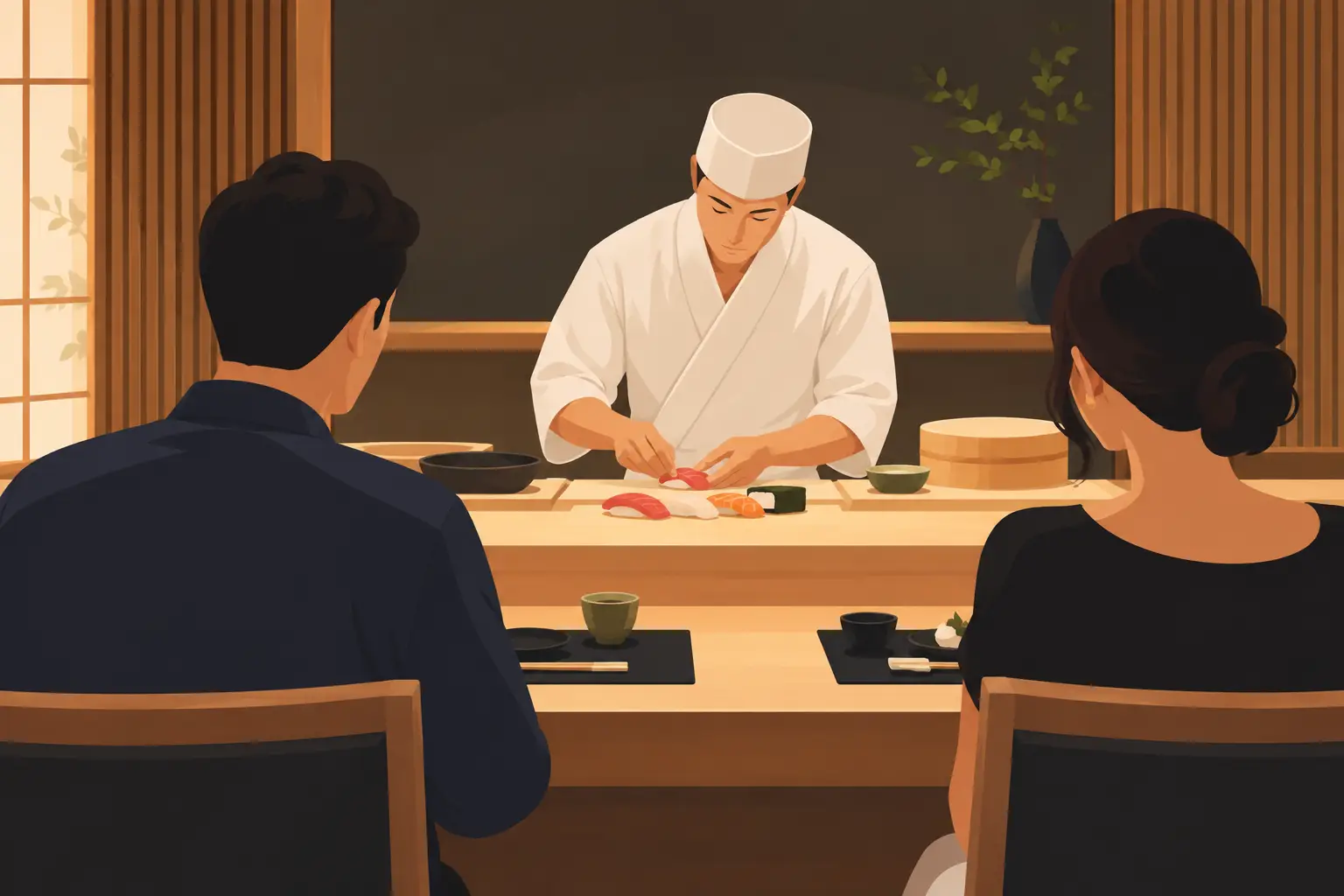
The first piece of nigiri arriving across a sushi counter is a small moment, but it changes the pace of dinner. In intimate sushi counter dining, you are close enough to see the chef’s care: the rice shaped by hand, the fish cut to match its texture, and the final touch of seasoning added for that particular bite. It is sushi served with context, not ceremony for ceremony’s sake.
For diners around Marina del Rey and the Westside, that closeness can make an ordinary dinner feel more considered without turning it into a formal occasion. A counter seat works for a date, a birthday, a catch-up after work, or the simple craving for fish that has been handled well. The appeal is not exclusivity. It is the chance to enjoy excellent seafood while seeing some of the decisions that make it excellent.
What Makes a Sushi Counter Feel Intimate?
An intimate counter is not defined by silence, white tablecloths, or a difficult reservation. It is defined by scale and attention. There are fewer distractions between the guest, the chef, and the food. Instead of receiving a large menu item with little explanation, diners can watch the meal come together one piece at a time.
That setting gives sushi a more personal rhythm. A chef may explain that one fish is arriving from Japan, while another is at its best from the East Coast or New Zealand. You might learn why a richer cut follows a leaner fish, or why a delicate white fish is served before a piece with more fat. Even without a long discussion, the order of the meal begins to make sense.
The counter also invites a useful kind of flexibility. If you already love mackerel, scallop, uni, or Bluefin tuna, sharing that with the chef can help shape the experience. If you are new to a rare fish, the counter is an easy place to try it with a little guidance. Good sushi hospitality should never make a guest feel as though they need to know every Japanese name before sitting down.
Freshness Is More Than a First Impression
Sushi is often described as fresh, but freshness is not only about how recently fish was delivered. It depends on sourcing, temperature control, preparation, aging when appropriate, knife work, and how the fish is paired with rice. Some species shine immediately. Others become more expressive after careful handling. A knowledgeable sushi chef understands the difference.
That is why a counter meal can be so revealing. The chef is working close by, serving fish when it is ready rather than leaving it to wait on a pass. Rice should be pleasantly warm, lightly seasoned, and shaped to support the fish rather than overwhelm it. Wasabi, soy, citrus, salt, and a brush of sauce all have a purpose. The best bite often needs very little added to it.
At UO NIGIRI, owner-chef Yusuke Irie brings a fish wholesaler’s perspective to the counter. His sourcing reaches from Tokyo’s Toyosu Market to New Zealand and the East and West Coasts of the United States, with fish selected according to the season and current quality. Purchasing whole, wild Bluefin tuna and preparing fish in-house also allows more control over how each cut is served. For diners, that work appears as a more varied case and a meal that can go beyond the same familiar sushi roll selection.
Why Omakase Fits the Counter
Omakase simply means leaving the selection to the chef. At a counter, the idea feels natural because the meal can respond to what is best that day. A chef-selected progression may begin with lighter, clean flavors and move toward richer fish, with cooked items or hand rolls adding contrast along the way.
There is a trade-off, of course. Diners who arrive with a very specific order in mind may prefer choosing individual sushi. Omakase asks for a little trust. In return, it can introduce fish you might not have picked for yourself, from a bright, firm seasonal white fish to a tender cut from the collar or belly of tuna.
The experience does not need to be all-or-nothing. Accessible omakase courses make it easier to enjoy chef guidance without treating dinner as a once-a-year event. That matters in a neighborhood restaurant. Great sushi should be available for celebrations, but it should also be within reach when a Tuesday night calls for something better than usual.
The Value of Being Guided
A well-paced omakase is not a test of how adventurous you are. It is a conversation between the day’s seafood and your appetite. The chef’s role is to make choices that feel considered, not to overwhelm the guest with unfamiliarity.
For someone who usually orders salmon, tuna, and yellowtail, a guided meal can offer a comfortable next step: perhaps snapper with a touch of citrus, sweet shrimp, lightly torched scallop, or a different cut of tuna. For longtime sushi fans, it can be a way to encounter seasonal and less common varieties that are difficult to find on a conventional menu.
How to Enjoy Intimate Sushi Counter Dining
The most useful rule is simple: arrive curious, not rehearsed. You do not need perfect etiquette to enjoy the meal. Use chopsticks or your hands for nigiri, whichever feels more natural. If the chef has already seasoned a piece, taste it first before adding soy sauce. Too much soy can hide the flavor the chef intended, especially with delicate fish.
Let the meal unfold at a comfortable pace. Nigiri is generally best eaten soon after it is served, when the rice is still warm and the fish is at its ideal temperature. That does not mean rushing. It means giving each piece a moment of attention before moving to the next.
If you have allergies, dietary restrictions, or foods you strongly dislike, say so early. A good counter experience depends on clear communication. The chef can guide you more thoughtfully when they understand what works for you. If you are celebrating something, mention that too. Intimacy is often created by small details, not a grand production.
A Counter Seat for More Than Special Occasions
Luxury sushi counters have sometimes made diners feel that a chef-led meal must be expensive, hushed, and reserved for major milestones. There is certainly a place for that kind of evening. But it is not the only meaningful way to eat sushi.
A relaxed counter can be polished without feeling stiff. Couples can share a meal without planning weeks ahead. Friends can compare favorite bites. Families can mark a milestone while still feeling welcome. Solo diners can enjoy the quiet focus of a few excellent pieces of nigiri. The setting changes with the guests, while the standard for the fish stays high.
That balance is especially welcome in Los Angeles, where diners are informed, busy, and rightly selective. They may care where seafood comes from, whether it was prepared properly, and whether the price makes sense. They also want a restaurant that feels comfortable enough to return to, not merely admire from a distance.
The next time you sit at a sushi counter, notice the details that do not announce themselves: the temperature of the rice, the clean cut of the fish, the progression from light to rich, and the quiet confidence behind each piece. A good counter does not ask you to perform expertise. It simply gives you a closer seat to the craft, then lets the meal speak for itself.
MEDIA

SIGN UP OUR NEWSLETTER
 13354 Washington Blvd.,
Los Angeles, CA 90066
Lunch: Temporarily Closed
Dinner: Mon - Sat 5:30 pm - 10:00 pm (Last Call 9:30 pm)
Sun Closed