Blog
How to Eat Nigiri With Confidence at a Sushi Bar
10.23.2026 | Blog
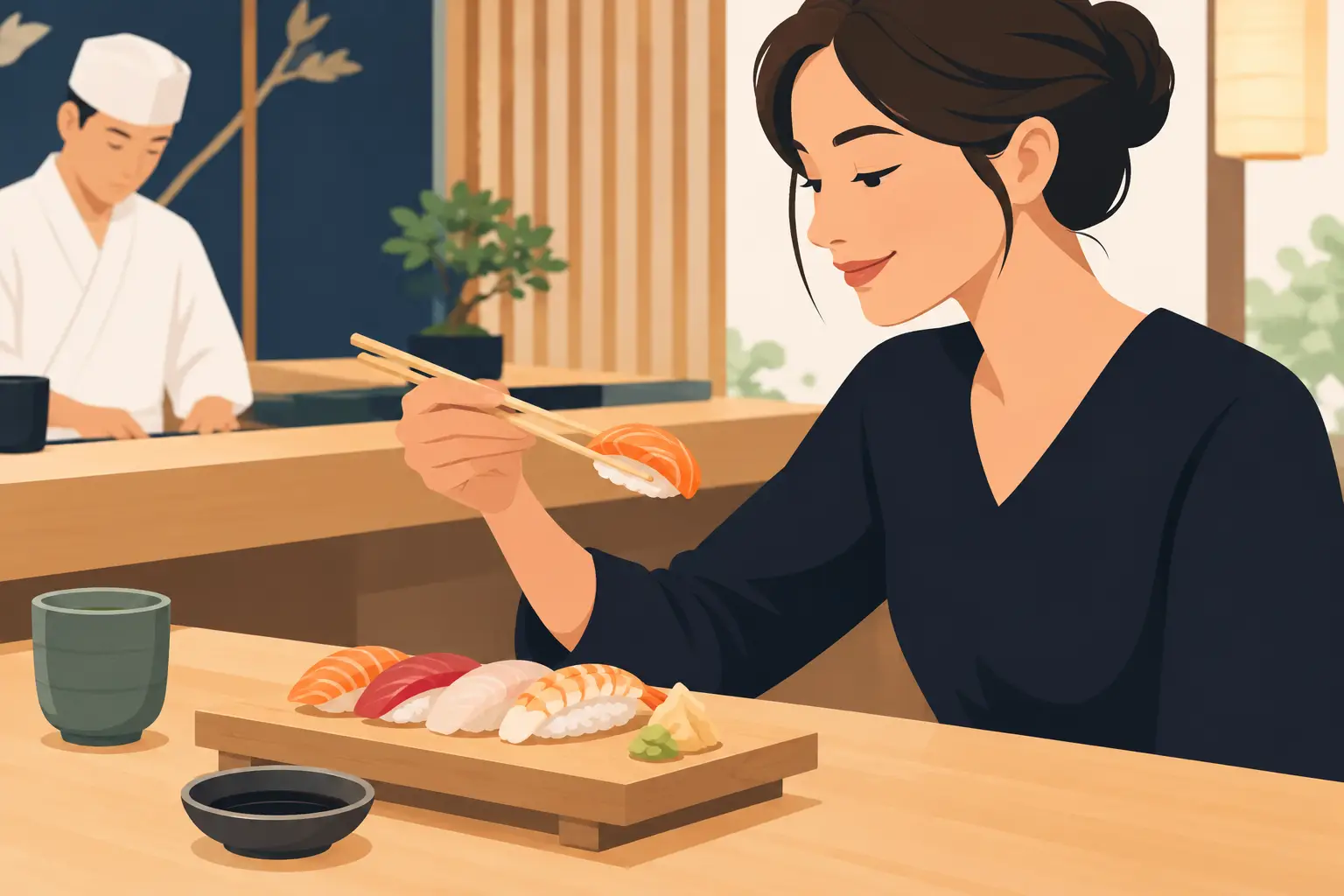
A beautiful piece of nigiri is already seasoned, balanced, and ready to eat when it reaches your plate. Knowing how to eat nigiri is less about following stiff rules and more about noticing that care. The fish, rice, temperature, and seasoning have been composed for one clear purpose: a satisfying bite that lets the seafood speak.
For diners new to sushi counters and casual omakase alike, a little etiquette can make the experience more comfortable. It can also help you taste the difference that thoughtful sourcing and preparation make. Start with an open mind, eat at a relaxed pace, and let each piece be what it is.
What Nigiri Is, and Why the Details Matter
Nigiri is sushi made with a small hand-formed bed of vinegared rice topped with fish or another ingredient. It may look simple, but the apparent simplicity is the point. A chef considers the fish’s fat content, texture, temperature, cut, and seasoning before placing it over the rice.
The rice is not just a delivery system for the fish. It has been seasoned with vinegar, sugar, and salt, then shaped lightly enough to hold together while remaining tender in your mouth. Pressing, soaking, or taking the piece apart changes that balance.
At a restaurant serving seasonal fish, nigiri may include familiar selections such as salmon, yellowtail, and tuna alongside fish that appears only when the season and market allow. A lean, clean-tasting white fish and a rich piece of toro ask for different attention. The best approach is to taste first, then decide whether anything more is needed.
How to Eat Nigiri: Hands or Chopsticks?
Either is appropriate. In Japan, eating nigiri with your fingers is traditional, and at a sushi bar it is often the easiest way to pick up a delicate piece without breaking the rice. Use clean, dry fingers and lift the nigiri gently from the sides.
Chopsticks are equally welcome if they feel more natural. Hold the piece lightly rather than squeezing it. If the rice starts to loosen, that is not a failure on your part or the chef’s. Freshly formed sushi is intentionally tender, especially when it is served at the right temperature.
There is no need to rub disposable chopsticks together. That gesture can suggest the utensils are rough or cheap, and it does not improve the meal. Simply separate them and begin.
Eat Each Piece Soon After It Arrives
Nigiri is at its best shortly after it is made. The fish is cool, the rice is gently warm or room temperature, and the texture is at its lightest. Letting it sit while you take photos, answer messages, or wait for every item in an order means missing part of the experience.
This matters even more during omakase. The chef may serve one or two pieces at a time because the sequence has a rhythm: lighter fish before richer cuts, clean flavors before more assertive ones, and occasional warm preparations placed where they will show best. Enjoy the piece in front of you before looking ahead.
If you are sharing plates at a table, it is still fine to eat each nigiri as it arrives. You do not need to wait until every diner has the same item, particularly when the fish and preparation differ from piece to piece.
Use Soy Sauce Sparingly
A common first instinct is to dip the rice side of nigiri into soy sauce. Try not to. Rice absorbs soy sauce quickly, which can overwhelm the fish, make the piece fall apart, and turn a carefully balanced bite salty.
If you would like soy sauce, lightly touch the fish side to it instead. With chopsticks, you can gently turn the piece and dip only the edge of the topping. With your fingers, a small tilt does the job. There is no need to submerge it.
Many chefs season certain pieces before serving them with soy sauce, citrus, salt, or a house sauce. When that is the case, taste the nigiri as served first. Adding more soy sauce is always your choice, but it is worth knowing what the chef intended before changing it.
Some pieces, especially grilled eel or items brushed with a sweet glaze, generally need no extra soy sauce. Rich tuna, fatty salmon, and delicately seasoned white fish can also lose their character under too much salt. A small amount goes a long way.
Wasabi Is There for Balance, Not a Test of Courage
Traditional nigiri may arrive with a small amount of wasabi placed between the fish and rice. This is often called wasabi already inside, and it is part of the chef’s seasoning. If you enjoy more heat, add a modest amount directly to the fish rather than stirring a large mound into your soy sauce.
Mixing wasabi into soy sauce is common in the United States, so it is not something to be embarrassed about. Still, it makes it harder to control both flavors. Keeping them separate lets you decide whether a particular fish needs more heat, salt, or nothing at all.
Good wasabi should lift the flavor of the fish with a quick, clean heat. It should not erase the fish’s sweetness or leave your eyes watering for the next five minutes. When in doubt, start smaller than you think you need.
Ginger Clears the Palate Between Pieces
Pickled ginger is a palate cleanser, not a topping. Eat a small slice between different kinds of fish when you want to reset your taste buds, especially after a richer selection. It is useful before moving from fatty tuna to a mild white fish, for example.
Placing ginger on top of nigiri is not forbidden, but it can mask a fish the chef chose for its subtle aroma or texture. Taste the sushi on its own first. If you later want a little ginger with it, that is your meal to enjoy.
Water, green tea, and a crisp sake can also help refresh the palate. The goal is not to follow a ritual perfectly. It is to keep flavors distinct enough that you can notice the change from one piece to the next.
One Bite Is Ideal, but Not Always Practical
Nigiri is usually sized for one bite. Eating it whole brings the fish and rice together as the chef planned. If a piece is especially large, or you simply cannot comfortably eat it in one bite, taking two bites is completely fine.
Avoid biting a piece in half and setting the remainder back on the plate if you can. The rice may crumble, and the fish can slide away. Instead, take a careful first bite and finish the rest promptly. Comfort matters more than performing etiquette.
This is especially true for diners who are still getting familiar with sushi. You are not expected to eat quickly or pretend to like every preparation. Ask questions, mention allergies or dietary needs early, and let the staff know if you would prefer less wasabi or have a fish you do not eat.
Let the Fish Guide Your Experience
The most useful sushi etiquette is paying attention. A firm, lean fish may taste clean and mineral-like. A richer cut of Bluefin tuna may feel soft and buttery. A silver-skinned fish may have a brighter, more savory character. There is no single right reaction, but tasting with intention makes each piece more memorable.
At UO NIGIRI, the fish is selected through direct fishmonger relationships and prepared in-house, with seasonal sourcing that can include selections from Toyosu Market, New Zealand, and both American coasts. That kind of sourcing is a reason to slow down. A rare fish does not need a complicated response - often, a clean first bite tells you exactly why it was chosen.
If you are ordering rather than following omakase, consider beginning with lighter fish and moving toward richer pieces. That order is helpful, not mandatory. If you came in craving toro first, enjoy toro first. Sushi should feel generous and welcoming, not like a test you can fail.
A Few Quiet Courtesy Rules at the Sushi Bar
At the counter, avoid wearing strong perfume or cologne. Aroma is a major part of tasting seafood, and powerful fragrance can affect your own meal as well as the people nearby. Keep conversations warm but mindful of the room, and leave the counter clear of bags, phones, and anything that crowds the chef’s workspace.
If you are unsure about a piece, ask. A good sushi experience should make room for curiosity. Questions about a fish’s origin, flavor, or preparation are welcome when asked at a natural moment, and they often make the next bite even better.
The confidence to eat nigiri well does not come from memorizing rules. It comes from trusting the care behind the piece, tasting it while it is fresh, and allowing yourself to enjoy the meal one bite at a time.
MEDIA

SIGN UP OUR NEWSLETTER
 13354 Washington Blvd.,
Los Angeles, CA 90066
Lunch: Temporarily Closed
Dinner: Mon - Sat 5:30 pm - 10:00 pm (Last Call 9:30 pm)
Sun Closed