Blog
What a Sushi Tasting Menu Should Feel Like
08.18.2026 | Blog
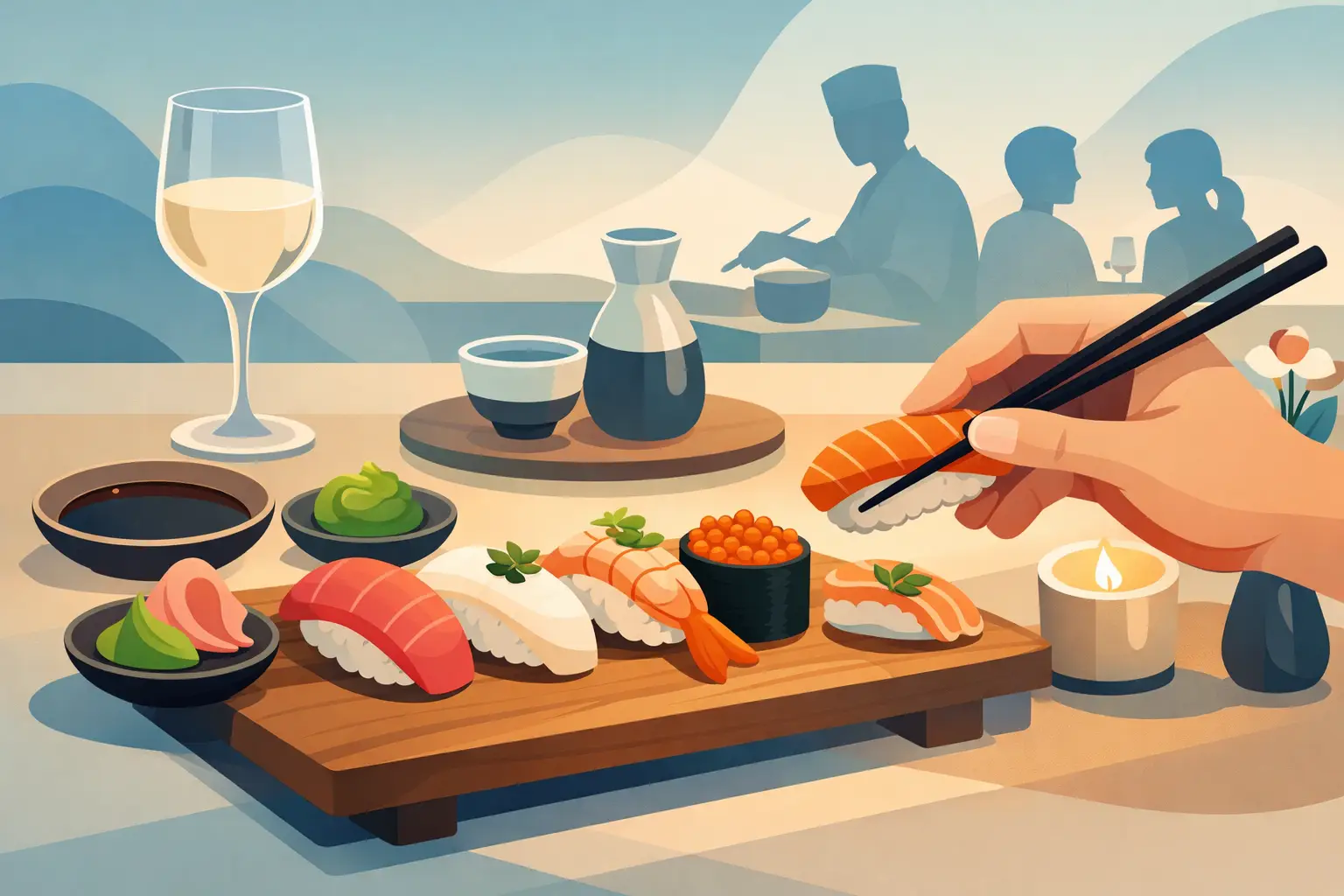
A sushi tasting menu is not simply a larger sushi order. It is a meal with a point of view: a progression of fish chosen for the day, prepared with intention, and served in an order that lets each piece have its moment. The best version feels considered without feeling complicated. You arrive hungry, trust the chef, and leave having tasted something you might not have ordered on your own.
For diners in Marina Del Rey and across the Westside, that experience does not need to be reserved for a once-a-year occasion or a formal, reservation-only counter. A well-made tasting menu can be an easy date-night dinner, a way to celebrate with family, or simply a better answer to the question of what sounds good tonight.
A Sushi Tasting Menu Starts With the Fish
The menu matters, but the fish matters first. Sushi is a quiet food. There is nowhere for tired seafood, heavy seasoning, or rushed preparation to hide. The rice, temperature, knife work, and seasoning all count, yet the quality of the fish sets the ceiling for every piece that follows.
That is why seasonality changes the experience. Some fish are richer and more satisfying in colder months. Others are prized for their clean sweetness or delicate texture at a particular point in their season. A chef-selected meal has room to follow those changes rather than offering the same predictable selection all year.
At UO NIGIRI, owner-chef Yusuke Irie brings decades of fish wholesale and culinary experience to the sourcing process. Fish is selected through direct relationships and supply channels reaching Tokyo's Toyosu Market, New Zealand, and both American coasts. That range makes familiar favorites possible, while also creating opportunities for rarer selections that are not always available on a standard neighborhood sushi menu.
Freshness is not only about speed from market to restaurant. It is also about buying wisely, handling fish correctly, and knowing what each variety needs before it reaches the rice. Some fish shine with a touch of soy. Some need salt, citrus, or a small brush of sauce. Others are best left nearly untouched.
Why the Order of Each Course Matters
A thoughtful sushi tasting menu has a natural rhythm. It often begins with lighter, cleaner fish that wake up the palate, then moves toward richer selections with more fat and depth. The final bites may bring a little sweetness, char, texture, or a familiar favorite that gives the meal a satisfying landing.
This pacing is one reason a chef's selection can feel more complete than choosing several rolls at random. A spicy roll may be delicious, but its sauce and texture can overwhelm the subtle flavor of a delicate white fish served afterward. In a tasting menu, the order protects those differences.
Rice plays an equally important role. Proper sushi rice should be warm or close to room temperature, gently seasoned, and formed lightly enough that it gives way as you eat. It should support the fish rather than turn each bite into a dense block. The contrast between cool fish and carefully prepared rice is part of what makes nigiri feel so direct and memorable.
There is no single correct number of courses. A shorter menu can be ideal before a movie, after work, or for diners who want a guided meal without committing to a long evening. A more expansive course gives the chef room to show more variety in texture, origin, and preparation. The right choice depends on your appetite, your plans, and whether you want dinner to be a quick pleasure or the center of the night.
The Difference Between Omakase and a Tasting Menu
The terms are often used together, and in many restaurants they overlap. Omakase means that you leave the selection to the chef. A sushi tasting menu may be fixed, chef-selected, or partly flexible depending on the restaurant.
What matters most is the spirit behind it. You are giving the chef permission to serve what is especially good that day, rather than limiting the meal to the fish names you already know. That can mean pristine tuna one evening, a bright silver-skinned fish the next, or a rare selection with a flavor and texture that surprises you.
Trust does not require formality. A good chef-guided meal should welcome questions. If you have an allergy, dietary restriction, or a fish you truly do not enjoy, say so before the meal begins. If you are new to a particular piece, ask what you are tasting. A simple explanation of where the fish came from or why it was seasoned a certain way can make the experience more enjoyable, not less.
Bluefin Tuna Is More Than One Bite
Many diners know Bluefin tuna, but fewer have had the chance to taste its different cuts in a meal that treats them distinctly. Lean akami offers a clean, mineral-rich flavor. Chutoro has a softer, richer balance of lean meat and fat. Otoro is prized for its luxurious texture and fuller fat content.
Serving those cuts with care is one way a tasting menu reveals how much variety can exist within a single fish. Whole, wild Bluefin purchasing also gives a restaurant greater control over preparation and access to different sections of the fish, rather than relying only on pre-portioned cuts. It is a craft choice that can broaden what reaches the counter.
Still, a great sushi dinner should not become a contest over the fattiest tuna. Rich fish needs contrast. Delicate snapper, sweet shrimp, savory mackerel, briny uni, or a clean piece of scallop can reset the palate and show a different side of the sea. Variety is not decoration. It is what keeps a menu engaging from first bite to last.
How to Enjoy a Chef-Selected Sushi Dinner
You do not need a rulebook to enjoy sushi, but a few simple habits help. Eat nigiri shortly after it is served, when the rice and fish are at their intended temperatures. Soy sauce is optional, and a small touch is usually enough. If the chef has already seasoned the fish, try it first before adding anything.
Ginger is best used between different types of fish rather than placed on top of every piece. Think of it as a palate reset, especially after richer bites. Wasabi can be added if you enjoy it, but it should sharpen the experience, not cover the fish.
Most importantly, let yourself be curious. If a piece looks unfamiliar, that is often the reason to try it. A sushi tasting menu gives you a guided way to move beyond salmon, yellowtail, and tuna without taking the risk of ordering an entire portion of something new.
Quality Within Reach
There is a false idea that serious sushi must come with hushed rules, months-ahead reservations, and a bill that makes it impossible to return soon. Careful sourcing and skilled preparation deserve respect, but they should also be available to people who want to make excellent sushi part of their regular life.
An approachable omakase course can still be built around market-fresh fish, professional knife work, and the changing character of the season. The difference is that the setting makes room for ordinary cravings as well as anniversaries and celebrations. Starting at $38, a chef-selected course can be an invitation to taste more, ask questions, and come back when the next market delivery brings something new.
The next time you are deciding between ordering your usual roll and trying something different, let the fish make the decision for you. A good tasting menu offers more than a sequence of bites: it gives you a reason to slow down, trust the craft, and find a new favorite piece of sushi.
MEDIA

SIGN UP OUR NEWSLETTER
 13354 Washington Blvd.,
Los Angeles, CA 90066
Lunch: Temporarily Closed
Dinner: Mon - Sat 5:30 pm - 10:00 pm (Last Call 9:30 pm)
Sun Closed