Blog
Sushi Recommendations for a Better Omakase Night
10.05.2026 | Blog
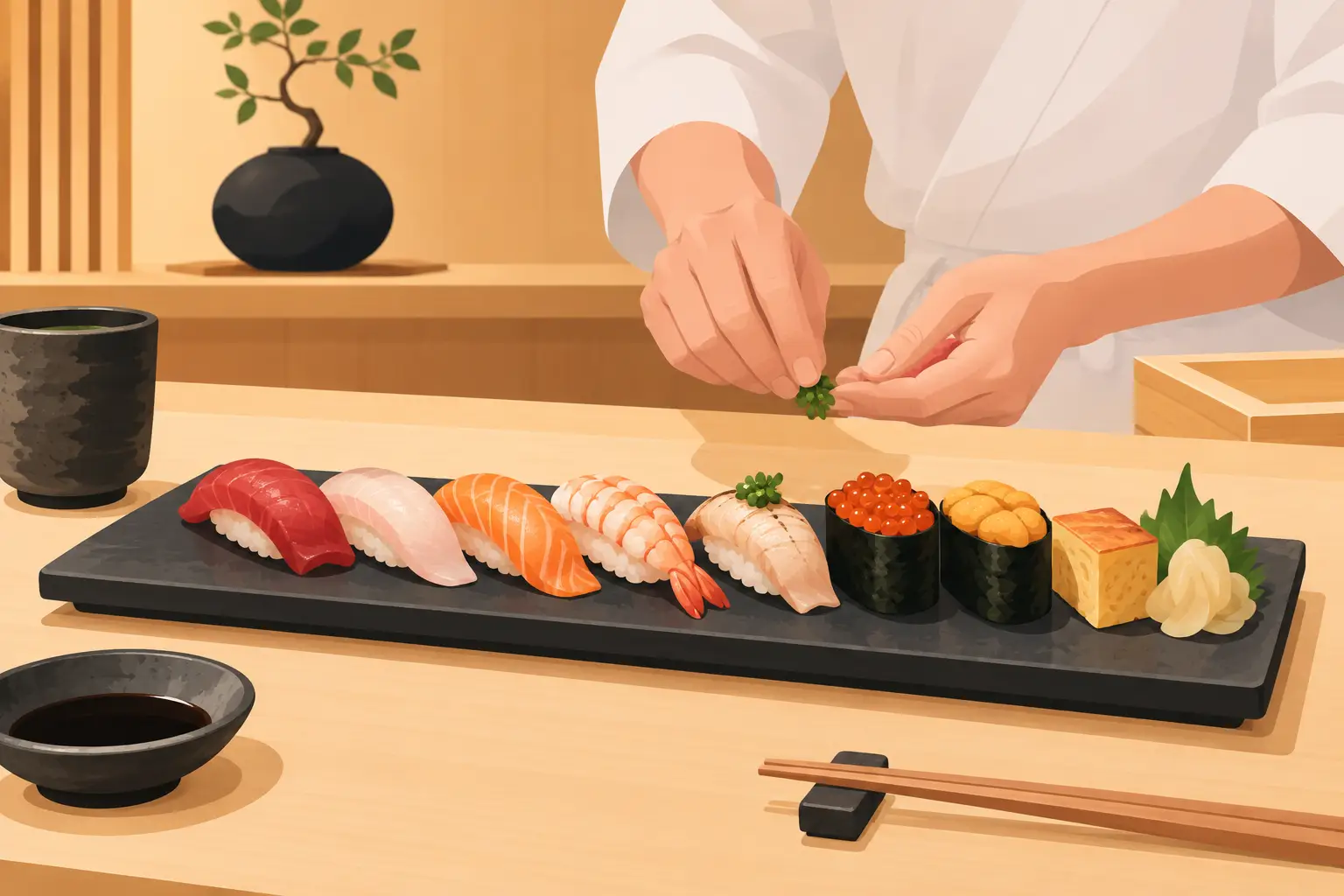
A great sushi dinner is not defined by how many pieces arrive at the table or how formal the room feels. It comes down to fish that has been selected well, handled with care, and served at the moment it tastes its best. These sushi recommendations are for Los Angeles diners who want to order with more confidence, whether the plan is a casual weeknight meal, a date in Marina del Rey, or a dinner worth celebrating.
Sushi Recommendations That Start With Freshness
Freshness is more than a menu claim. In sushi, it is the foundation for texture, aroma, and clean flavor. A properly prepared piece of nigiri should feel balanced: fish with a natural sweetness or richness, rice that is lightly seasoned and comfortably warm, and just enough wasabi or soy to support the bite rather than cover it.
The most useful question is not simply, “What is the most expensive fish?” Ask what is especially good that day. Fish changes with the season, weather, harvest conditions, and market availability. A thoughtful sushi restaurant adjusts its selection accordingly, which is why the best meal may include a familiar favorite alongside something you do not see on every neighborhood menu.
Provenance matters here. Fish sourced from Tokyo’s Toyosu Market, New Zealand, and the East and West Coasts of the United States can offer very different qualities, from the clean, firm character of New Zealand fish to the seasonal depth of Japanese selections. What matters is not distance alone, but the knowledge behind choosing, receiving, and preparing each fish.
At UO NIGIRI, owner-chef Yusuke Irie brings fish wholesale experience directly into the kitchen. That means the restaurant can make choices based on the actual condition of each fish, including whole, wild Bluefin tuna that is prepared in-house rather than treated as a generic menu item.
Choose Omakase When You Want Guidance
Omakase translates to “I leave it up to you,” but it should not feel like giving up control. It is a collaboration: the chef guides the meal based on the day’s best fish, while you share practical preferences such as allergies, foods you avoid, or whether you are hoping for a lighter or more adventurous dinner.
For diners who usually order salmon, tuna, and yellowtail, an approachable omakase is a good way to expand without taking a big risk. The chef can introduce a variety of textures and flavors in a natural progression, starting with clean, delicate fish and moving toward richer selections. You may discover that you enjoy a silvery fish, a lightly seared piece, or a seasonal white fish more than expected.
Omakase also removes one common ordering problem: trying to build a complete meal from a long sushi menu. Individual orders are ideal when you know exactly what you want. A chef-selected course is often better when you want the meal to have rhythm and variety. Neither choice is more correct. It depends on the occasion and how much guidance sounds appealing.
A casual omakase can be especially useful for dates and small celebrations. There is less time spent studying the menu and more time at the table. With courses starting at $38, it can also be a realistic choice for an ordinary dinner, not only a reservation-worthy milestone.
Tell Your Chef What You Like
A short conversation can improve the meal considerably. Mention if you love fatty tuna, prefer mild fish, enjoy shellfish, or want to try rare selections. Let the chef know about allergies before ordering, not after the first course arrives. If raw fish is not for everyone at the table, ask about cooked or seared options so each guest can enjoy the experience comfortably.
Being open to recommendations does not mean pretending to like everything. Good hospitality makes room for honest preferences.
Understand the Fish on Your Plate
Knowing a few sushi terms helps, but it is not necessary to arrive with a vocabulary test memorized. Nigiri is fish served over hand-formed rice. Sashimi is sliced fish without rice. Maki refers to rolls, which can range from simple and traditional to more elaborate preparations.
For a fish-forward meal, nigiri and sashimi make it easier to taste the character of the seafood. The rice, knife work, seasoning, and temperature all become part of the experience. Rolls can be satisfying and fun, especially when sharing, but sauces and crunchy toppings may make it harder to recognize the fish itself.
Bluefin tuna is worth ordering in more than one form when available. Lean akami has a clean, meaty flavor. Chutoro, the medium-fatty cut, offers more richness while still feeling balanced. Otoro is the most luxurious and fatty portion, with a soft texture that nearly melts. Buying a whole fish allows a restaurant to work with these distinct cuts thoughtfully rather than offering a single, one-note version of tuna.
Seasonal choices are often where a sushi meal becomes memorable. Some may be delicate and subtly sweet; others may be richer, firmer, or lightly cured to bring out their best qualities. If a chef recommends a fish you do not recognize, ask what it tastes like and how it is being prepared. That question often leads to the most interesting bite of the night.
How to Order Without Overdoing It
Start modestly, especially when dining omakase-style. Sushi is best enjoyed before the rice cools and the fish loses its ideal texture. You can always add a few pieces afterward if you are still hungry or if one selection stands out.
For an individual order, a balanced meal might begin with a few pieces of nigiri, followed by a roll or warm dish if you want more substance. If you are sharing, choose a mix of familiar fish and one or two seasonal or rare selections. This gives everyone an easy entry point while making room for discovery.
Avoid treating soy sauce as the main flavor. Many pieces are already seasoned by the chef. When soy is appropriate, use a light touch. With nigiri, dip the fish side rather than soaking the rice, which can make the piece fall apart and overwhelm the seasoning. Ginger is traditionally a palate cleanser between different fish, not a topping for every bite.
These are useful customs, not rules meant to make dinner tense. Chopsticks or hands are both perfectly acceptable for nigiri. The best approach is to eat with attention and enjoy the meal while it is fresh.
Match the Meal to the Occasion
For a quick lunch or a pickup order, choose favorites that travel well and eat them soon after arrival. Simple nigiri, sashimi, and thoughtfully made rolls are often better choices than heavily dressed items that can lose their texture in transit. Delivery is convenient, but sushi is at its peak when it is served directly from the counter or dining room.
For a date night, chef-selected sushi offers a shared experience without the stiffness of a long formal tasting menu. For a family celebration or group dinner, ordering a range of nigiri, rolls, and cooked dishes makes it easier to accommodate different comfort levels. A polished sushi dinner does not need to be intimidating to feel special.
The price of sushi deserves perspective, too. Higher cost can reflect the quality of fish, sourcing standards, skilled preparation, and the care required to serve seafood properly. But expensive is not automatically better. Look for restaurants that can explain what they serve and why it is good, without asking guests to accept vague claims of luxury.
Let Curiosity Lead the Next Bite
The most rewarding sushi meals make room for both comfort and surprise. Order the salmon or tuna you already love, then let one chef recommendation take you somewhere new. It might be a seasonal fish from Toyosu, a carefully prepared cut of Bluefin, or a simple piece whose quality needs no extra decoration.
Come hungry, ask a question, and trust your own taste. The right sushi recommendation is not the one that sounds most impressive. It is the one that makes you want to return for another bite.
MEDIA

SIGN UP OUR NEWSLETTER
 13354 Washington Blvd.,
Los Angeles, CA 90066
Lunch: Temporarily Closed
Dinner: Mon - Sat 5:30 pm - 10:00 pm (Last Call 9:30 pm)
Sun Closed