Blog
Chef Curated Nigiri Makes Omakase Personal
10.09.2026 | Blog
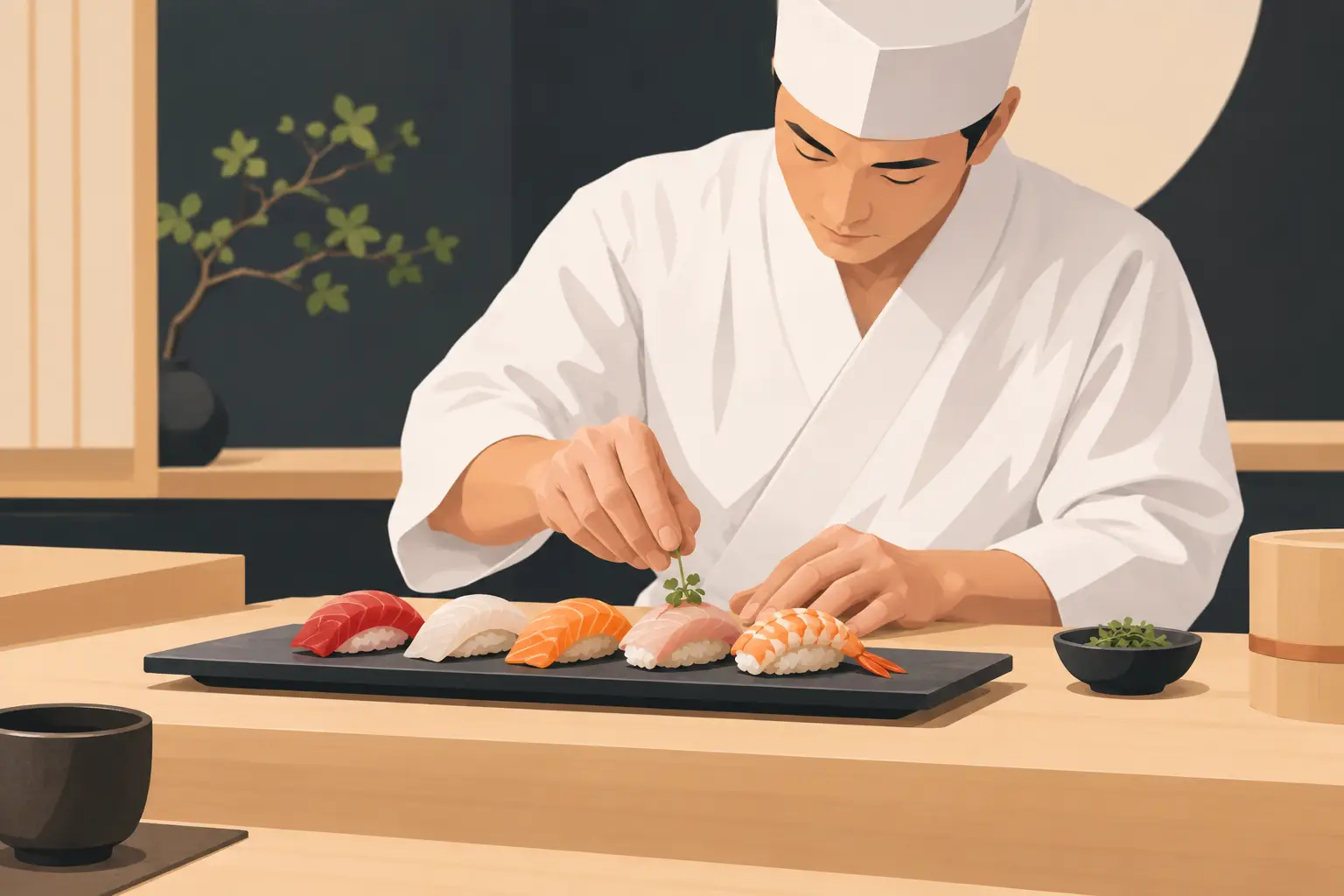
A great piece of nigiri can look almost simple: fish, rice, perhaps a brush of sauce or a small accent of citrus. But the simplicity is exactly what makes it demanding. There is nowhere for a chef to hide an average ingredient or an imprecise cut. Chef curated nigiri is built on a series of informed decisions - what to buy, when to serve it, how to prepare it, and which piece should follow another.
For diners, that creates something more meaningful than a long list of familiar sushi options. It is a meal shaped around the best fish available that day, with enough guidance to make a casual dinner feel considered without making it feel formal.
What Chef Curated Nigiri Really Means
Chef curated nigiri is not simply an assortment selected at random from the sushi case. It is a progression. The chef considers seasonality, fat content, texture, temperature, and the way each fish will taste after the previous bite.
A lighter, clean-tasting white fish may arrive early, when the palate is fresh. A richer piece, such as toro, belongs later, when its fat can be appreciated rather than overwhelming everything that comes after. A gently cured or marinated fish can add depth between brighter pieces. The goal is balance, not excess.
That approach also gives the chef room to serve fish that may not appear on a standard sushi order. Diners might recognize salmon, yellowtail, and tuna, but seasonal buying can bring in varieties with distinct sweetness, firmness, or ocean character. Some are familiar in Japan yet harder to find at American sushi restaurants. A curated meal makes those discoveries feel approachable because every piece arrives with a purpose.
The Fish Comes First
Nigiri begins long before the chef forms the rice. The quality of the experience depends on how fish is sourced, handled, and prepared after it reaches the restaurant.
Market-fresh seafood is not a vague promise. Different fish are at their best in different seasons, from different waters, and at different stages after harvest. A chef with close relationships in the seafood trade can make choices based on condition and flavor rather than relying only on a fixed distributor list. That matters when selecting delicate white fish, firm silver-skinned fish, sweet shellfish, or richly marbled tuna.
At UO NIGIRI, owner-chef Yusuke Irie brings a fish-wholesale background to the sushi counter, sourcing from Tokyo's Toyosu Market, New Zealand, and the East and West Coasts of the United States. That direct attention to supply allows the menu to move with the market instead of forcing the same selection every day.
The difference is especially clear with Bluefin tuna. Buying whole, wild Bluefin means the fish can be broken down in-house and served across its distinct cuts. Akami offers a lean, clean flavor. Chutoro brings a balance of meatiness and fat. Otoro is softer, richer, and more indulgent. These are not interchangeable slices labeled simply as tuna. Each one has its own place in a chef-led progression.
Why Preparation Changes the Bite
Freshness matters, but excellent sushi is not only about serving fish as quickly as possible. Some fish benefit from careful aging to concentrate umami and improve texture. Others may be lightly cured with salt, vinegar, or kelp. Certain pieces need a precise knife cut to soften natural fibers; others are scored to help the fish sit tenderly on the tongue.
Rice requires the same attention. Proper nigiri rice should be warm, lightly seasoned, and formed with a gentle hand. It needs enough structure to hold together from plate to mouth, but it should loosen almost immediately when eaten. Rice that is too cold, too tightly packed, or overly sweet can distract from fish that deserves center stage.
Small finishing details should support the seafood rather than cover it. A touch of freshly grated ginger, a quick brush of nikiri, a pinch of sea salt, or a bit of citrus can sharpen a flavor that is already present in the fish. The best seasoning often feels quiet. You notice that the piece tastes complete, even if you cannot immediately identify why.
A Note on Soy Sauce and Wasabi
When nigiri arrives already seasoned, it is usually because the chef has tasted and adjusted that piece before it reaches the guest. Adding soy sauce is still a personal choice, but a heavy dip can flatten the differences between fish. If you do use it, touch the fish side lightly rather than soaking the rice.
Wasabi is similar. Its clean heat can lift fatty tuna or sweet shellfish, yet too much can erase the nuance of delicate fish. A chef-curated meal is an invitation to taste the first bite as served, then adjust the next one to your preference.
Chef Curated Nigiri Is Built for Real Occasions
Omakase has a reputation for being reserved for milestone dinners and hushed, expensive counters. There is value in that style of dining, but it is not the only way to enjoy a thoughtful sushi experience. A well-curated nigiri meal can work just as naturally for a weeknight dinner, a date near the marina, a family celebration, or a meal with visiting friends.
The trade-off is simple: choosing omakase means giving up some control over every individual piece. In return, guests receive a meal with pacing and variety that is hard to recreate by ordering only familiar favorites. For diners who have dietary restrictions, allergies, or a strong preference against certain seafood, communication matters. Let the team know early so the meal can be guided appropriately.
Accessible pricing matters here, too. When omakase begins at a price that supports repeat visits, diners can experience the changes of the season rather than treating sushi as a once-a-year event. A chef's selection becomes a way to learn what you enjoy: perhaps you discover that you prefer lean tuna to fatty tuna, or that a bright white fish is more memorable than the salmon you usually order.
How to Enjoy a Curated Nigiri Meal
There is no need for a rigid set of rules. Eat each piece when it arrives, while the rice is warm and the fish is at its intended temperature. Fingers are perfectly acceptable for nigiri, and chopsticks work well too. The best choice is the one that lets you eat comfortably.
Try to notice contrast from piece to piece. One may be buttery and rich, while the next is crisp and clean. One may have a gentle smoky note, while another tastes lightly briny. Asking a question is always welcome. A good sushi counter should make guests feel more at ease, not tested on what they know.
If you are new to omakase, start with curiosity rather than pressure. You do not need to identify every fish or use the exact Japanese name to enjoy it. Pay attention to the flavors you want to return to, and let that guide your next visit or your next order.
The Value Is in the Judgment
A chef-curated nigiri experience is valuable because it turns professional judgment into dinner. The chef is making choices that are difficult to see from the table: selecting a fish at its peak, deciding whether it needs aging or curing, cutting it correctly, seasoning it lightly, and serving it in an order that makes sense.
That judgment does not make the meal less personal. It makes it more so. Each visit can reflect what the market offers, what the season favors, and what makes a particular fish worth serving that day.
The next time a piece of nigiri reaches the table, take a moment before reaching for soy sauce. Taste the fish, the rice, and the chef's intention together. That small pause is often where a good sushi dinner becomes a memorable one.
MEDIA

SIGN UP OUR NEWSLETTER
 13354 Washington Blvd.,
Los Angeles, CA 90066
Lunch: Temporarily Closed
Dinner: Mon - Sat 5:30 pm - 10:00 pm (Last Call 9:30 pm)
Sun Closed