Blog
Japanese Fish Seasonality: What to Eat When
10.11.2026 | Blog
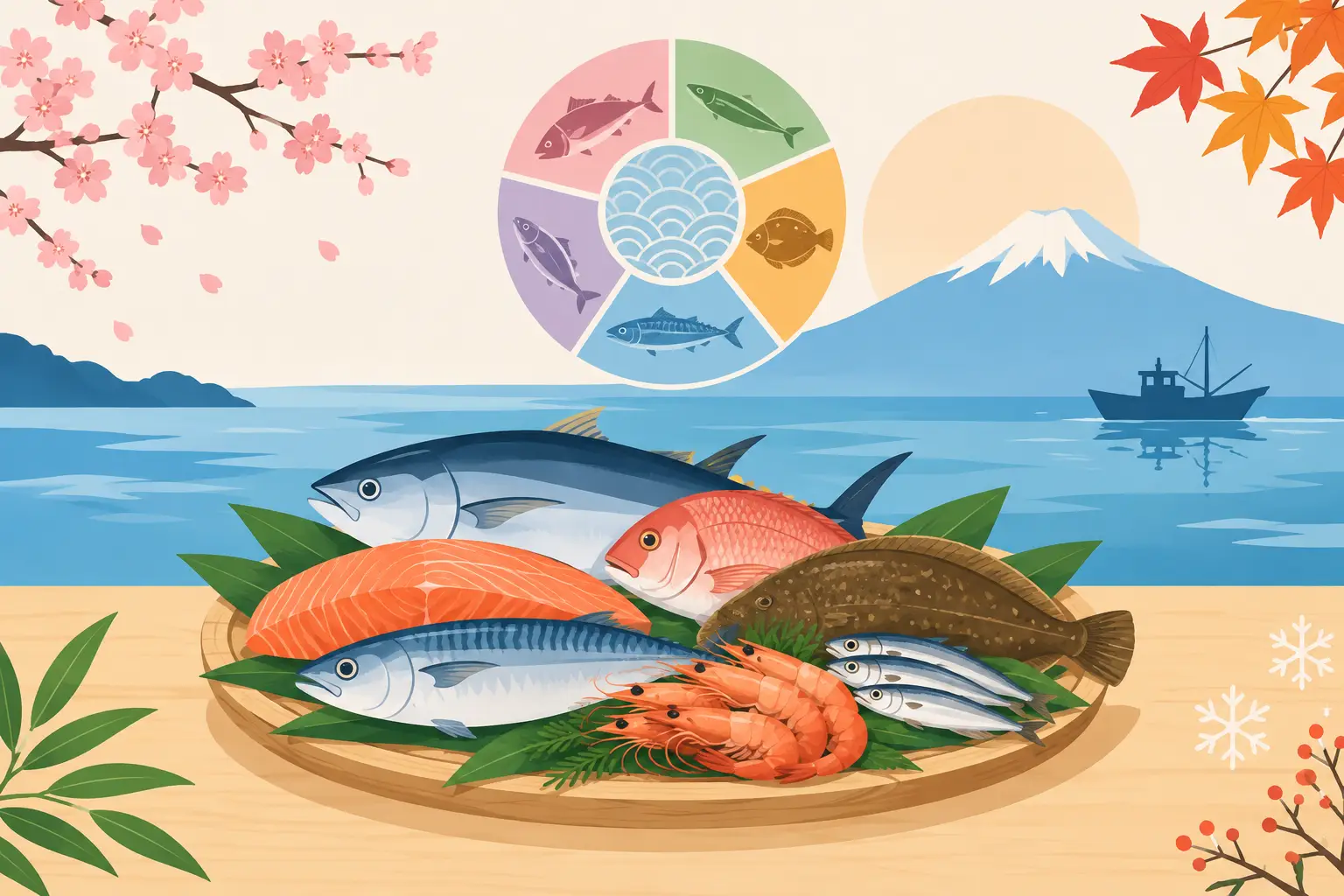
A piece of sushi can be perfectly sliced, properly seasoned, and still feel ordinary if the fish is not at its best. Japanese fish seasonality is the reason a sushi counter can taste different from one month to the next, even when the menu looks familiar. It is not about chasing novelty. It is about serving each fish when its texture, richness, sweetness, or clean finish has the most to say.
For diners, seasonality offers a simple reward: a meal with more character. For a chef, it requires close attention to markets, weather, migration, fishing conditions, and how each fish is handled after it arrives. That is why a thoughtful omakase can feel both surprising and deeply satisfying.
What Japanese Fish Seasonality Really Means
In Japan, the word shun refers to the period when an ingredient is considered at its peak. With seafood, that peak might come before spawning, when a fish has built fat and flavor, or during a colder period, when its flesh becomes firmer and sweeter. But there is no single calendar that applies everywhere.
A fish can have a different season depending on whether it is caught near Hokkaido, Tokyo, Kyushu, New Zealand, or the American coast. Water temperature, local currents, catch limits, and the size of the fish all matter. A species may also be available year-round through different regions, while only certain lots offer the balance a sushi chef wants.
That distinction matters because availability is not the same as peak condition. Salmon, yellowtail, tuna, and sea bream may appear on sushi menus throughout the year. A seasonal approach asks a more specific question: Is this particular fish especially delicious right now, and how should it be served?
Winter: Rich Fish and Deep Flavor
Cold water often brings higher fat content and a fuller mouthfeel. Winter is a beloved season for people who enjoy richer sushi, especially varieties that benefit from a little soy, citrus, or freshly grated ginger to balance their natural oils.
Yellowtail, known as buri in Japanese, is a classic example. As it matures and moves through cold waters, its flesh can become notably rich and silky. The younger fish, hamachi, has a cleaner, lighter profile, while buri can carry more depth. The difference is not simply a matter of age. It is also a matter of season and source.
Winter can also be a strong time for fatty mackerel, or saba. Properly prepared mackerel is clean, savory, and expressive rather than aggressively fishy. Many chefs cure it lightly with salt and vinegar, a technique that firms the flesh while bringing its character into focus.
Sea urchin, or uni, can be especially compelling in cooler months as well, though its quality depends heavily on origin. Good uni should taste sweet, creamy, and oceanic, never watery or bitter. Its season shifts by region, which is one reason an experienced buyer pays attention to where it was harvested rather than relying on the name alone.
Spring: Delicate Texture, Bright Energy
Spring seafood often feels lighter on the palate, but light does not mean plain. This is a season for subtle sweetness, tender flesh, and fish that benefit from restrained seasoning.
Sayori, or Japanese halfbeak, is prized for its translucent appearance and gentle flavor. It can be scored and presented with a thin strip of skin or a touch of citrus, letting its soft texture lead. Spring can also bring excellent tai, or sea bream, which has a clean, mild sweetness and a satisfying firmness.
Aji, or Japanese horse mackerel, is another fish that rewards careful timing. It is often served with ginger, scallion, or a light amount of grated aromatics. Those additions are not there to hide the fish. When used well, they lift its natural savory quality and make each bite feel more vivid.
This is also when diners may notice more technique on the counter: delicate knife work, shallow scoring, quick curing, or a brush of sauce applied with precision. With finer-textured fish, small details have a large effect.
Summer: Clean, Lean, and Refreshing
Summer sushi is not only about cold dishes. It is about choosing fish that stays balanced when the weather is warm and diners are looking for a cleaner finish.
Kohada, or gizzard shad, is one of the traditional signals of an Edomae-style sushi meal. It is small, silver-skinned, and typically cured with salt and vinegar. Its appeal lies in contrast: bright acidity, a gentle richness, and a firm, neat bite. The preparation takes skill because a cure that is too strong can overwhelm a fish with very little room to hide.
Summer is also associated with hamo, or pike conger, in Japan. Its many fine bones require detailed knife cuts before it is briefly cooked or served in a style suited to its soft flesh. It is less common on everyday American sushi menus, but it shows how seasonality can guide technique as much as ingredient selection.
For diners in Los Angeles, warm weather also makes the sourcing conversation especially relevant. Local and West Coast catches may offer excellent options, but a chef may choose fish from another region when it is clearly in better condition. The goal is not to insist that every fish travel the shortest distance. The goal is to serve the best responsibly sourced fish available for that moment.
Fall: The Return of Fullness
As waters cool, many fish begin to develop more fat and a rounder flavor. Fall is often a favorite sushi season because it offers a transition from the brightness of summer to the richness of winter.
Sanma, or Pacific saury, is a well-known fall fish in Japan. It has an oily, savory character that can be excellent when fresh and expertly prepared. Depending on supply and regional conditions, it may be harder to find in the United States, but its reputation illustrates a central truth of seasonal sushi: some fish are memorable precisely because they are fleeting.
Bonito, called katsuo, is another fish with a strong seasonal identity. Early-season bonito can be leaner and more refreshing, while later catches may have more body. It is frequently seared on the outside, which adds aroma while preserving its tender center. A little garlic, ginger, or scallion can complement bonito beautifully, though the best piece needs only a light touch.
Fall is also a time when tuna becomes especially interesting. Tuna quality changes throughout the year, and different cuts tell different stories. Lean akami offers a clean, iron-rich flavor; chutoro brings a measured richness; otoro is softer and more luxurious. Purchasing whole, wild Bluefin tuna allows a chef to assess those differences across the fish and use each section in the way it deserves.
Why Seasonality Is Not a Rigid Rule
It is tempting to treat a seasonal chart as a sushi ordering guide: eat one fish in March, another in October, and avoid anything outside its assigned month. In practice, that approach is too narrow.
Weather can change a catch. A fish from a particular harbor may arrive in outstanding condition outside its usual peak. Another may be technically in season but not meet the standard for texture or flavor. Sustainable catch rules and natural fluctuations can also change what reaches the market. A good sushi restaurant adapts rather than forcing a predetermined list.
Aging adds another layer. Not every fish is best served the day it is caught. Some species develop more umami after a carefully controlled period of aging, while others should be served quickly to preserve their delicate snap. Curing, marinating, simmering, and searing can also be ways of honoring the fish, not disguising it.
This is why chef-selected omakase works so well for seasonal dining. Instead of asking every guest to memorize Japanese seafood calendars, the chef can build a progression of flavors based on what is actually excellent that day.
How to Taste the Season at the Sushi Counter
The easiest way to experience seasonality is to stay curious. If a fish is unfamiliar, ask what it tastes like and how it is prepared. A thoughtful server or chef can point you toward something rich, mild, smoky, sweet, or bright based on what you already enjoy.
Notice the temperature, too. Sushi rice is generally served slightly warm, while fish may be cool but not ice-cold. That contrast helps release aroma and fat on the palate. Eat nigiri soon after it is placed in front of you, especially more delicate pieces whose texture changes quickly.
At UO NIGIRI, the seasonal conversation begins long before the first piece reaches the counter. Owner-chef Yusuke Irie draws on fish-wholesale and culinary experience to select from Toyosu Market, New Zealand, and the East and West Coasts, then prepares fish in-house according to its individual condition. That access makes room for familiar favorites and rarer selections, without making the experience feel reserved for a special occasion only.
The next time a chef offers a fish you have not seen before, consider saying yes. The best seasonal bite may not be the one you planned to order. It may be the fish that happened to arrive at exactly the right moment.
MEDIA

SIGN UP OUR NEWSLETTER
 13354 Washington Blvd.,
Los Angeles, CA 90066
Lunch: Temporarily Closed
Dinner: Mon - Sat 5:30 pm - 10:00 pm (Last Call 9:30 pm)
Sun Closed