Blog
A Relaxed Omakase Dinner Experience, Done Right
11.04.2026 | Blog
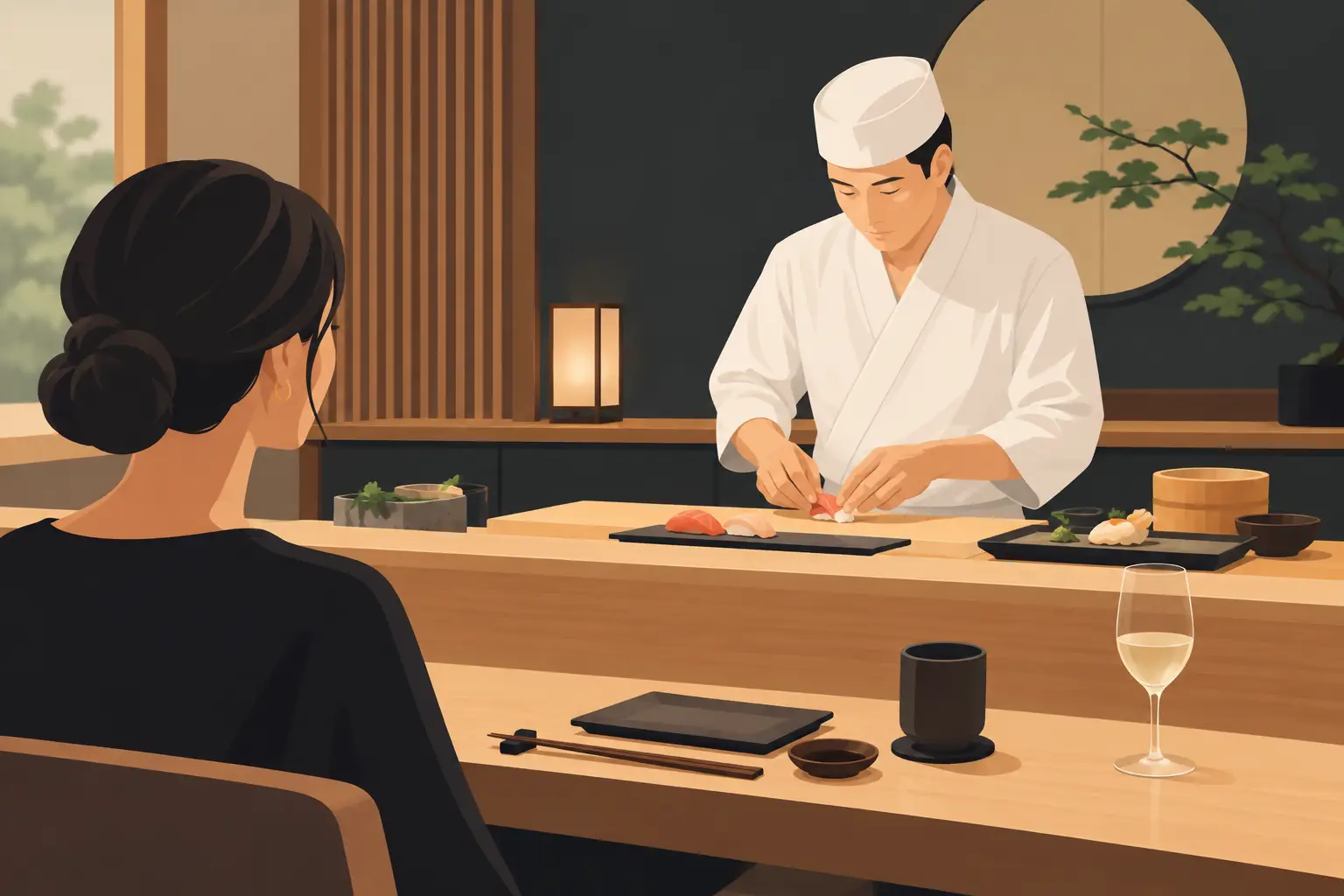
A great sushi dinner can feel special without requiring a hushed room, a hard-to-get reservation, or a long lecture on what to order. That is the appeal of a relaxed omakase dinner experience: the chef makes the key decisions, the fish leads the meal, and guests can simply settle in and enjoy the evening.
For diners around Marina Del Rey and the Westside, that balance matters. You may be meeting someone after work, planning a date night, bringing family to celebrate, or following an ordinary craving for very good sushi. Omakase should fit those moments. It should feel considered and personal, not like a test of how much you know about Japanese dining.
What Makes Omakase Feel Relaxed?
Omakase means “I’ll leave it up to you.” In practice, it gives the chef room to build a meal around what is best that day. The sequence may move from clean, delicate fish to richer selections, with each piece seasoned and prepared to show its character. You do not need to study a long menu or guess which fish is at its seasonal peak.
The relaxed part is not about lowering standards. It is about removing unnecessary friction. A welcoming omakase dinner has clear course options, an accessible starting point, and a pace that makes room for conversation. Guests should be comfortable asking questions, sharing preferences, or simply enjoying each bite without feeling that they need to perform a certain kind of dining expertise.
There is a meaningful difference between casual and careless. Casual means you can arrive as you are. The rice should still be properly seasoned, the fish should be handled with precision, and the chef’s choices should have a reason behind them. When those details are right, the meal feels easy because the work has already been done in the kitchen.
The Fish Is What Sets the Tone
A chef-selected dinner is only as strong as the fish available that day. Seasonal sourcing creates the variety and confidence that make omakase worthwhile. Familiar favorites can be excellent, but a thoughtful meal also makes room for fish that many diners do not see often in the United States.
That may mean a sweet, mild white fish when the market is offering exceptional quality, or a richer cut chosen for its texture and natural fat. It can mean serving a piece simply, then following it with another selection that has been lightly cured, brushed with sauce, or paired with a small garnish. The point is not novelty for its own sake. Each preparation should help the fish taste more like itself.
At UO NIGIRI, owner-chef Yusuke Irie brings a fish-wholesale background to that decision-making. Fish is sourced through relationships and markets that include Tokyo’s Toyosu Market, New Zealand, and the East and West Coasts of the United States. Whole, wild Bluefin tuna is purchased and prepared in-house, which allows for a range of cuts and textures rather than a one-note tuna experience.
That sourcing discipline is felt at the table. Freshness is not just a label. It affects aroma, texture, sweetness, and how cleanly a piece finishes on the palate. A fish with a delicate flavor needs careful handling and a restrained touch. A richer fish needs the right cut, temperature, and balance of rice. Those choices are quiet, but they are the foundation of a memorable dinner.
Why the Chef’s Sequence Matters
An omakase meal is more than a collection of individual sushi pieces. The order shapes the experience. Beginning with lighter fish gives your palate time to notice subtle flavors. Moving toward richer selections builds depth. A bright or lightly acidic bite can reset the palate before the next course.
This is why omakase can be especially satisfying for people who enjoy sushi but are not sure where to begin beyond salmon, yellowtail, or tuna. The chef provides a path through the meal. You get variety without having to overthink it, and you may find a new favorite along the way.
There is still room for preference. If you do not eat a particular fish, have an allergy, or prefer to avoid a certain ingredient, say so when you arrive. A good restaurant wants to guide the meal around reasonable needs whenever possible. Omakase is a chef’s choice, but hospitality means the guest is part of the conversation.
A Relaxed Omakase Dinner Experience Has Real Value
Omakase is often treated as an occasional splurge, reserved for a milestone or a rare reservation. There is nothing wrong with that kind of evening, but it is not the only valid way to enjoy chef-selected sushi. An approachable course can make omakase part of regular neighborhood dining - something to choose for a Tuesday dinner as readily as an anniversary.
Value is not the same as the lowest price. It comes from knowing that the ingredients were selected with care, that the meal has a clear point of view, and that you can return often enough to notice the seasons change. A restaurant with omakase starting at $38 gives more diners a chance to experience that format without turning dinner into a major financial decision.
The trade-off is simple: a more accessible omakase may be shorter and less ceremonial than an extended luxury counter meal. For many diners, that is the advantage. You still receive the pleasure of a chef-guided progression, but the evening leaves space for your plans, your conversation, and your appetite. If you want a longer meal, a higher course or additional sushi can make the experience more expansive.
How to Enjoy the Meal Without Overthinking It
There are no complicated rules, but a few small habits help you get the most from the experience. Eat each piece soon after it is served, when the rice and fish are at their intended temperature. If the chef has already brushed on sauce or added seasoning, taste it first before reaching for soy sauce. The balance may already be complete.
You can use chopsticks or your fingers for nigiri. Both are appropriate. Ginger is best enjoyed between different pieces as a palate cleanser, rather than placed on top of the sushi. Most importantly, follow your own comfort level. Ask what you are eating if you are curious. Tell the chef when something surprises you in a good way.
For a date or group dinner, omakase also solves a practical problem: nobody has to spend twenty minutes negotiating a menu. The meal arrives with a rhythm, while the table stays focused on the people gathered around it. That is a small luxury worth appreciating.
The Best Reason to Return
The finest relaxed omakase dinners do not depend on ceremony. They depend on trust - trust that the chef is watching the market, treating the fish well, and choosing each piece with the guest’s enjoyment in mind.
When seasonal fish, careful preparation, and genuine hospitality meet at the same table, omakase becomes less intimidating and more personal. Come hungry, stay curious, and let the quality of the fish give the evening its occasion.
MEDIA

SIGN UP OUR NEWSLETTER
 13354 Washington Blvd.,
Los Angeles, CA 90066
Lunch: Temporarily Closed
Dinner: Mon - Sat 5:30 pm - 10:00 pm (Last Call 9:30 pm)
Sun Closed