Blog
Best Fish for Sushi: What Freshness Tastes Like
09.03.2026 | Blog
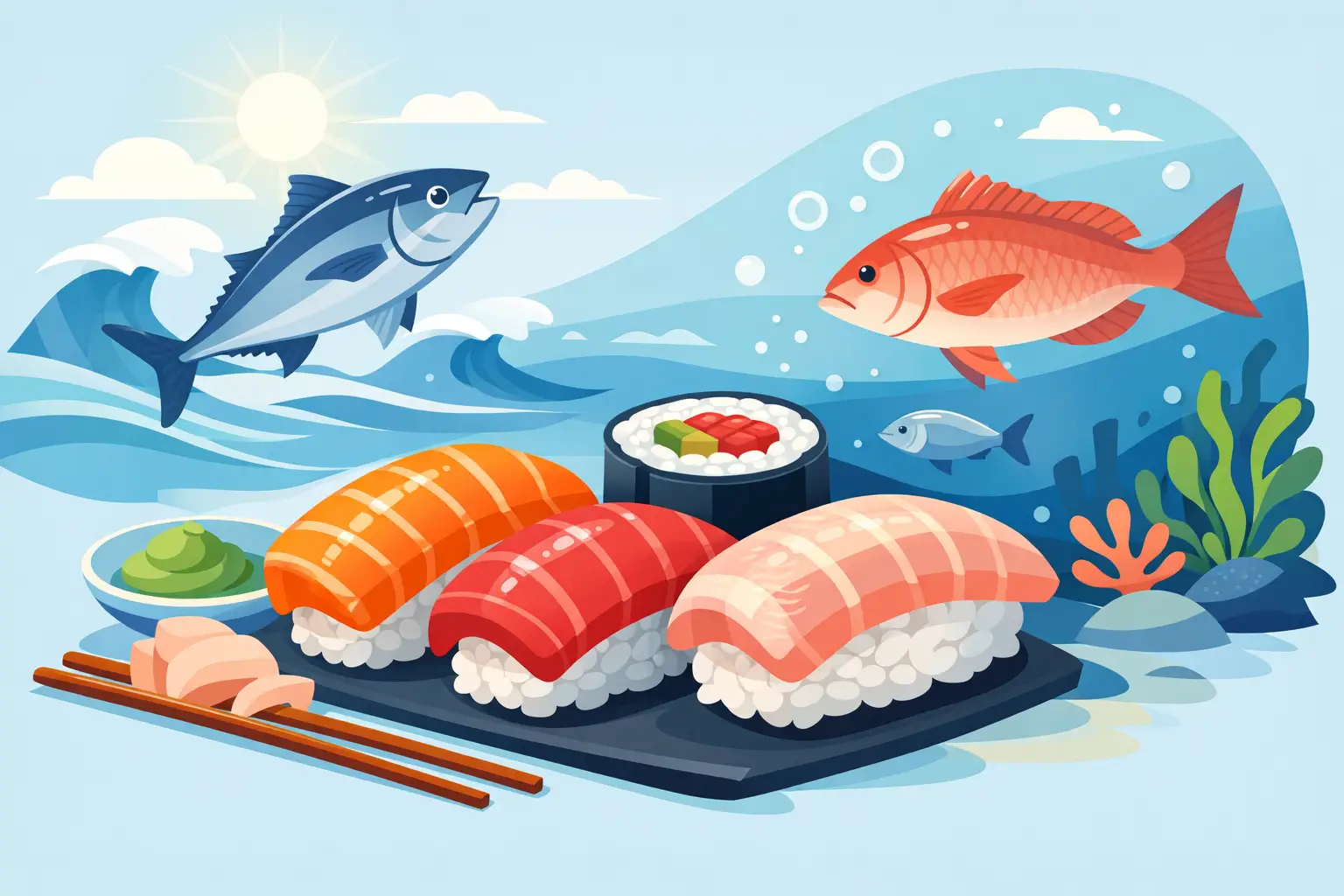
A great piece of nigiri rarely begins with a familiar name on a menu. The best fish for sushi is the fish that arrived in excellent condition, was handled with care, and is served when its flavor and texture are at their peak. That may be buttery toro one week, clean and bright hirame the next, or a fish you have never ordered before.
For sushi lovers, this is the difference between choosing by habit and eating with the season. Salmon, tuna, and yellowtail are deservedly popular. But a chef who works closely with the market can offer a wider, more memorable experience - one shaped by the catch, the origin, and the precise way each fish is prepared.
What Makes the Best Fish for Sushi?
There is no single answer, because sushi fish is not judged on flavor alone. Texture matters. Fat content matters. So do the fish's season, its size, how it was caught, and how long it has rested after harvest. A fish that tastes extraordinary as sashimi may need a light brush of soy, a pinch of salt, or a brief cure before it becomes its best on rice.
Freshness is essential, but it does not always mean fish served immediately. Some species benefit from controlled aging, which allows natural enzymes to soften the flesh and deepen umami. Others are best when their flavor is crisp and direct. Skilled sushi preparation respects those differences rather than treating every fillet the same way.
Sourcing is the foundation. Fish selected from respected markets in Japan, New Zealand, and the American coasts can bring different strengths to the counter. A chef's job is to recognize what is exceptional that day, then cut and season it in a way that lets the fish speak clearly.
The Sushi Fish Worth Knowing
Bluefin tuna: range, richness, and precision
Bluefin tuna is among the most celebrated fish in sushi because one fish offers several distinct experiences. Lean akami has a deep, clean, savory flavor. Chutoro brings more marbling and a supple texture. Otoro is especially rich and tender, with fat that softens almost immediately on warm rice.
Not every tuna is equal, and the cut matters as much as the species. Purchasing whole, wild Bluefin gives a chef the ability to assess the fish closely and use each section appropriately. The result is not simply more tuna on the menu. It is a more thoughtful progression, from lean and mineral-driven to lush and luxurious.
Japanese amberjack and yellowtail: clean, silky favorites
Hamachi, often called Japanese amberjack, is a familiar choice for good reason. It is gently fatty, smooth, and approachable for both regular sushi diners and guests still learning their preferences. In cooler months, richer amberjack can be particularly satisfying.
Yellowtail may refer to different fish depending on the supplier and menu, so it is worth asking what is being served. A good sushi bar welcomes that question. The answer can tell you about the fish's origin, season, and character, whether it is mild and delicate or fuller-bodied with a more pronounced finish.
Salmon: familiar, but far from simple
Salmon is one of the most requested sushi fish in Los Angeles, and quality makes a visible difference. The best salmon has a clean ocean flavor, even marbling, and a soft but resilient texture. It should feel rich, not heavy or oily.
Because salmon is so recognizable, it can be a useful benchmark for a restaurant's standards. Is the slice carefully cut? Does it sit comfortably on the rice? Is the seasoning restrained enough to let its natural sweetness come through? Familiar fish deserve the same attention as rare ones.
Fluke, sea bream, and other white fish: quiet complexity
White fish is often where a sushi meal becomes more interesting. Hirame, or fluke, is prized for its subtle sweetness and gentle chew. Tai, or sea bream, is clean and refined, sometimes with a firmer bite and a slightly briny finish. Depending on the season, a chef may choose kinmedai, red snapper, or another delicate fish with a distinct personality.
These fish are not always the first choices diners make when ordering on their own, but they show why omakase is so rewarding. A small adjustment - citrus, salt, kelp curing, or a touch of grated ginger - can bring out details that would otherwise remain quiet.
Mackerel and sardine: bold fish, careful preparation
Mackerel and sardine are for diners who enjoy more assertive flavor. They are oily fish with tremendous umami, but they require exact handling. Proper curing can balance richness, tame sharpness, and preserve their beautiful texture.
When done well, these are not "fishy" pieces. They are savory, lively, and deeply satisfying. They also offer a useful reminder: the best fish for sushi is not necessarily the mildest fish. It is the fish prepared in the way that suits it best.
Uni and shellfish: sweetness from the sea
Uni is not fish, but it belongs in any conversation about a great sushi selection. Good sea urchin has a custard-like texture and a sweet, saline finish. Its quality varies dramatically by origin and season, which is why a careful buyer matters.
The same is true for scallop, sweet shrimp, and other shellfish. Their appeal is often purity rather than intensity. A fresh scallop can taste almost creamy and faintly sweet, while amaebi offers a tender bite that rewards slow eating.
Why Seasonality Changes the Answer
A static list of "best" sushi fish misses the point. The fish you should order in spring may not be the one a chef is most excited to serve in late summer. Water temperatures, migration, spawning cycles, and availability all affect flavor and fat.
That is why a market-driven sushi menu can change without sacrificing consistency. The consistent element is not that every fish is always available. It is that each piece earns its place. A chef may feature a rare arrival from Toyosu Market, a pristine fish from New Zealand, or an exceptional domestic catch because it is tasting especially good right now.
For diners, this is an invitation rather than a test. You do not need to know every Japanese fish name before sitting down. Tell the chef whether you prefer lean tuna, richer fish, delicate white fish, or adventurous bites. That small bit of guidance can lead to a meal that feels personal while still leaving room for surprise.
How to Order Sushi With More Confidence
If you are ordering à la carte, begin with a fish you know and add one or two pieces that are new to you. Pair a familiar salmon or tuna with a white fish, then try a bolder option such as mackerel if you enjoy savory depth. This gives your palate contrast without turning dinner into a guessing game.
For a chef-selected experience, let the sequence do the work. Omakase is especially useful when seasonal supply is changing, because the chef can serve the fish in an order that makes sense: lighter flavors first, then progressively richer pieces, with a bright or savory finish to reset the palate.
At UO NIGIRI, that approach is built around direct fishmonger relationships and in-house preparation, not a fixed idea of what sushi must be. Accessible omakase courses make it possible to try market-fresh selections without saving the experience only for a major occasion.
A Note on Safety and Quality
“Sushi-grade” is commonly used by diners, but it is not a universal government grading term. What matters more is a restaurant's sourcing, storage, freezing practices where required, preparation standards, and knowledge of each species. Raw seafood should be handled by professionals who understand both flavor and food safety.
At home, be cautious about treating ordinary grocery-store fish as ready for raw consumption. The safest choice is to buy from a seafood professional who can clearly tell you the fish's intended use and handling history. At a sushi restaurant, look for clean flavor, proper temperature, confident knife work, and rice that is gently formed rather than packed tight.
The next time a sushi chef offers something unfamiliar, consider saying yes. The best bite may be Bluefin toro, or it may be a seasonal white fish you cannot pronounce yet. What matters is that it was chosen well, prepared with respect, and served at the moment it has the most to give.
MEDIA

SIGN UP OUR NEWSLETTER
 13354 Washington Blvd.,
Los Angeles, CA 90066
Lunch: Temporarily Closed
Dinner: Mon - Sat 5:30 pm - 10:00 pm (Last Call 9:30 pm)
Sun Closed