Blog
Best Sushi Delivery Starts With Better Fish
09.01.2026 | Blog
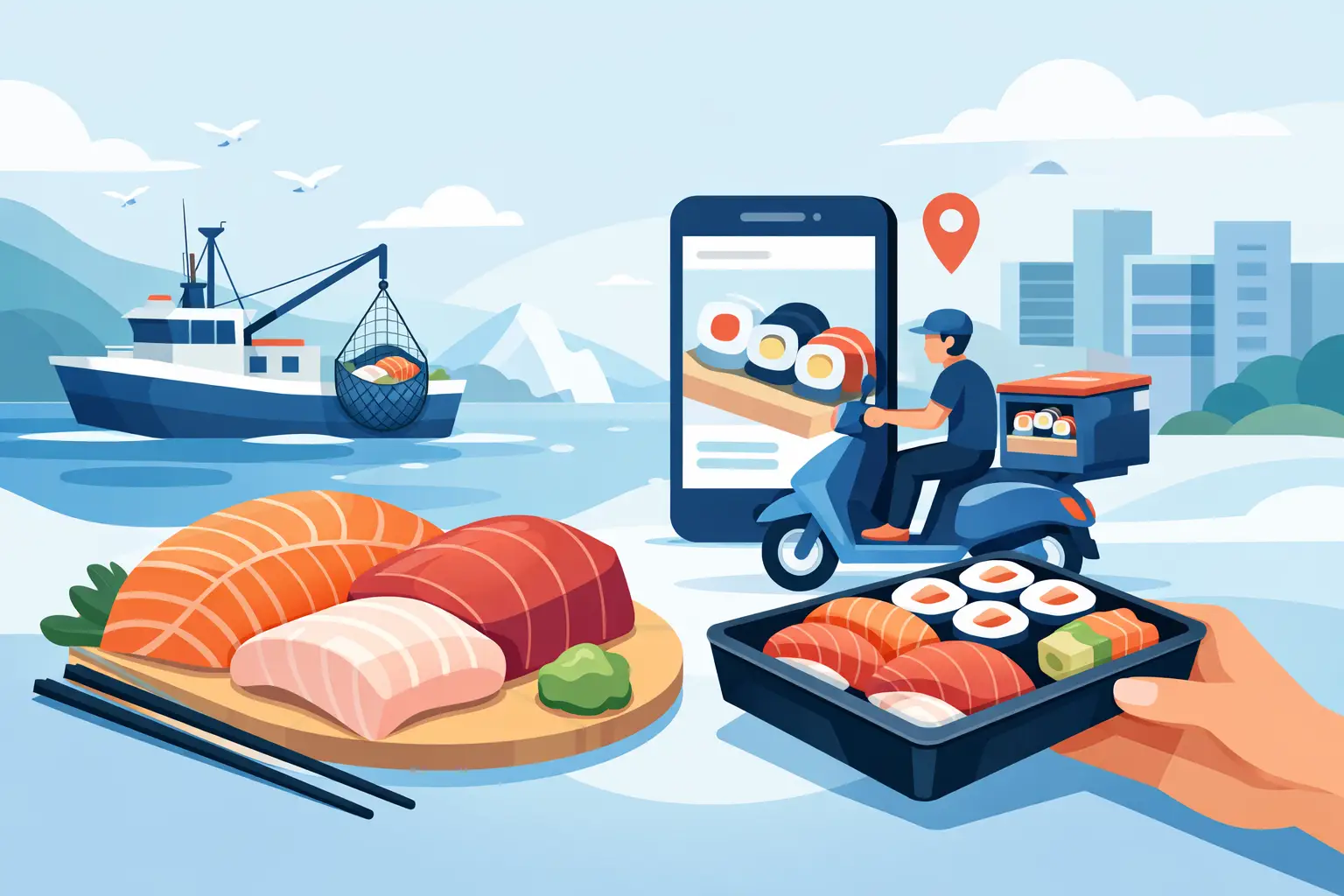
A warm container can hide a lot, but it cannot improve fish that was never handled well in the first place. The best sushi delivery begins long before a driver leaves the restaurant: with how fish is sourced, broken down, stored, sliced, and matched to rice. For diners in Marina del Rey and across the Westside, that is the difference between a convenient dinner and sushi worth looking forward to all day.
Delivery sushi has one extra challenge compared with dining at the counter. Nigiri and rolls have to travel without losing their temperature, texture, or balance. A thoughtful restaurant plans for that trip, choosing ingredients and preparations that arrive in good condition instead of treating delivery as an afterthought.
What Makes the Best Sushi Delivery Different
Freshness is the starting point, but it is not a vague promise. Good sushi depends on a disciplined chain of decisions. Fish should come from reliable markets and fisheries, be received and prepared with care, and be served at the right point in its life. Some fish shines immediately; others benefit from aging or specific preparation. The goal is not simply to call every piece “fresh,” but to bring out its best flavor and texture.
That is especially relevant for delivery. The rice needs to remain tender rather than dry or cold. The fish should sit securely on the rice, with no pooling moisture that dulls its flavor. Crisp elements need separation from sauces, and delicate garnishes need enough protection to arrive as intended. These details may sound small, but sushi is made of small details.
The strongest delivery orders also have a sense of restraint. A box overloaded with heavy sauces, fried toppings, and competing flavors may look dramatic when opened, yet it can overwhelm the fish and become soggy on the way home. There is nothing wrong with a favorite spicy roll or a little crunch. But when the seafood is excellent, it should still be the reason you take another bite.
Start With the Fish, Not the Photos
Menu photos are useful, but they do not tell you much about the ingredient behind the image. When choosing sushi delivery, look for restaurants that explain where their fish comes from and how it is handled. Direct relationships with fishmongers, seasonal purchasing, and in-house preparation all suggest a kitchen that understands seafood beyond a standard distributor list.
For example, a restaurant that purchases whole, wild Bluefin tuna has more control over quality and cut selection than one relying only on pre-portioned fish. Different parts of the tuna offer different experiences, from clean, lean akami to rich toro. Preparing a whole fish also requires knowledge, patience, and respect for the ingredient. Those are qualities that show up on the plate, even in a delivery box.
The same is true of a fish selection that goes beyond the familiar. Salmon, yellowtail, and tuna are classics for good reason, but seasonal fish can offer something more memorable. Japanese sourcing traditions, including fish selected through Tokyo's Toyosu Market, make room for varieties that are less common on typical American sushi menus. A knowledgeable chef can guide diners toward a mild white fish, a briny silver-skinned selection, or a richer cut based on what is tasting best that week.
Seasonality does mean the exact menu may change. That is a benefit, not an inconvenience. A restaurant committed to market-fresh seafood should not force the same fish onto the menu when it is no longer at its peak.
Order Sushi That Travels Well
The best order depends on how far it has to go, how many people are eating, and whether you want a full meal or a few favorite pieces. If your delivery is headed just a short distance in Marina del Rey, delicate nigiri and sashimi can be excellent choices. For a longer trip toward Venice, Culver City, Torrance, or another Westside neighborhood, ask yourself whether the restaurant packs rice, sauces, and crisp components with travel in mind.
Nigiri is one of the clearest tests of a sushi kitchen. It has nowhere to hide: fish, rice, and perhaps a touch of wasabi or seasoning. Order a small variety rather than several pieces of one fish if you want to taste the chef's range. A mix of lean tuna, a richer selection, salmon, yellowtail, and one seasonal recommendation can make a satisfying meal without turning dinner into guesswork.
Sashimi is a strong delivery choice for guests who want to focus entirely on the fish or who prefer a lighter meal. It also works well alongside a few rolls for a group with different appetites. If you are feeding several people, combine a chef-selected assortment with familiar rolls. That way, the sushi regulars can enjoy the seasonal selections while everyone has something recognizable to reach for.
Omakase can also make sense for delivery when it is offered in a format designed for it. The appeal of omakase is not just rarity. It is the chef's judgment - choosing fish that is especially good that day and arranging a progression of flavors. An accessible omakase course can bring that guidance to a casual dinner, date night, or small celebration without requiring a reservation-only experience.
Timing Matters More Than Most People Think
Sushi delivery is at its best when it is eaten soon after arrival. If you are ordering for later in the evening, pickup may be the better choice, particularly if you are already nearby. It gives you more control over the final few minutes between kitchen and table.
When delivery is the right option, order when you can be ready to receive it. Letting sushi sit in a lobby, outside a door, or on a counter for an extended period is not kind to the rice or the fish. Set the table first, pour drinks, and make space in the refrigerator only if you truly need to hold something briefly.
Avoid microwaving sushi. If the rice feels slightly cool after travel, give it a few minutes at room temperature rather than applying heat. Keep soy sauce on the side and use it lightly, especially with nigiri. A quick dip of the fish side is enough; soaking the rice can make a carefully prepared piece fall apart.
If you have ordered crispy or fried items, eat those first. Then move to lighter white fish, followed by richer pieces such as fatty tuna or salmon. This is not a rule that should make dinner feel formal. It is simply an easy way to notice more flavor as you eat.
A Better Delivery Experience Is Still Personal
Quality should feel welcoming, not like a test. Some nights call for an adventurous seasonal fish. Other nights, the right order is salmon nigiri, a spicy tuna roll, and miso soup after a long day. The best sushi restaurants make room for both, offering expertise without making guests feel that they need a glossary to enjoy dinner.
At UO NIGIRI, that approach comes from owner-chef Yusuke Irie's background in fish wholesale and culinary work. Fish is sourced from Tokyo, New Zealand, and the East and West Coasts of the United States, then prepared in-house with a close eye on the market. The result is sushi that can feel special enough for a celebration while remaining within reach for an ordinary Tuesday night.
Price matters, too. Expensive does not automatically mean better, and low cost can come with compromises that are visible in the fish, rice, and care of preparation. Look for clear value: skilled sourcing, a thoughtful menu, appropriate portions, and choices that let you order according to the occasion. Accessible omakase starting at $38 is one example of how chef-selected sushi can be part of regular neighborhood dining rather than a once-a-year event.
The next time a sushi craving arrives, choose the restaurant that gives the fish a reason to taste like itself. Order a few pieces you know you love, leave room for one that is new to you, and enjoy it while the rice is still tender and the sea is still close.
MEDIA

SIGN UP OUR NEWSLETTER
 13354 Washington Blvd.,
Los Angeles, CA 90066
Lunch: Temporarily Closed
Dinner: Mon - Sat 5:30 pm - 10:00 pm (Last Call 9:30 pm)
Sun Closed