Blog
What Makes a Fresh Fish Restaurant Worth It?
08.24.2026 | Blog
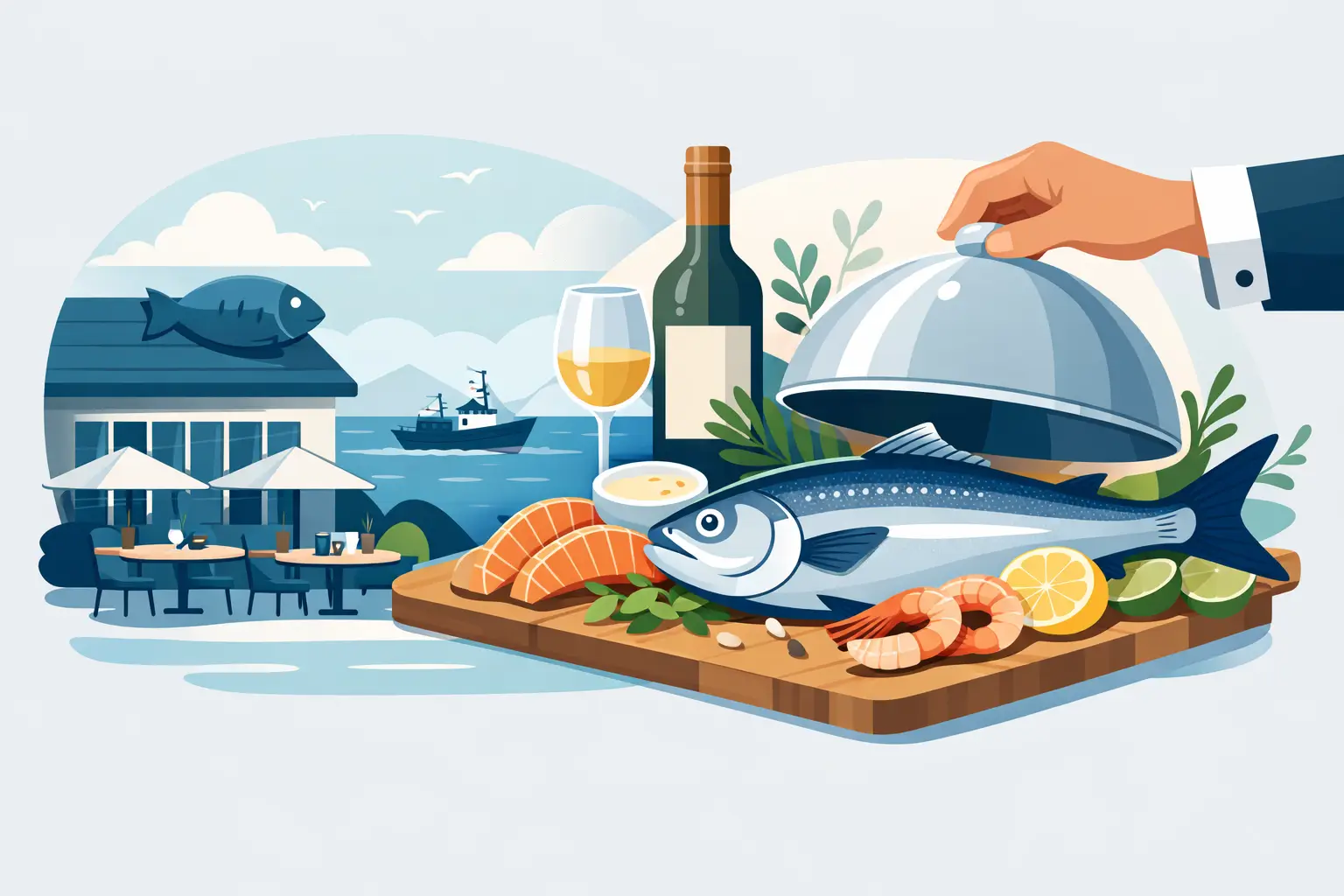
The first piece of nigiri tells you a great deal. Rice that is gently warm, fish with a clean finish, and a cut that feels deliberate are signs that care began long before the plate reached your table. A fresh fish restaurant is not defined by a single delivery or a long list of seafood. It is defined by the choices made at every step: where fish is purchased, how it travels, how it is broken down, and when it is served.
For diners around Marina Del Rey and the Westside, that distinction matters. Sushi can be a quick weekday meal, a date-night dinner, or the center of a celebration. In each case, the best experience should feel welcoming while still giving the fish the attention it deserves.
A fresh fish restaurant starts with the source
Freshness is often used as a shortcut for quality, but it is only part of the picture. A fish can be recently delivered and still be poorly selected, mishandled in transit, or cut without respect for its texture. The better question is not simply, “How fresh is it?” It is, “Who chose it, and what happened between the market and the sushi counter?”
A serious sushi restaurant builds relationships with suppliers and understands how different species should be purchased. Some fish is at its best immediately. Others benefit from a controlled period of aging, which can deepen umami and soften texture without sacrificing clarity. The ideal timing depends on the fish, its fat content, its condition at purchase, and the style of preparation.
That is why direct sourcing has real value. When a chef has seafood knowledge and close connections to fishmongers, the menu can respond to what is exceptional rather than relying on the same predictable inventory every day. Fish from Tokyo’s Toyosu Market, New Zealand, and the East and West Coasts of the United States may all have a place on the menu, provided each selection meets the restaurant’s standards.
Handling is where quality is protected
Excellent fish does not stay excellent by accident. Temperature control, sanitation, storage, trimming, and knife work all affect what you taste. Fish for sushi is handled with a level of precision that is easy to overlook because the finished presentation is so simple.
Consider tuna. A restaurant that purchases whole, wild Bluefin tuna has the opportunity to evaluate and prepare the fish from start to finish. Different cuts offer distinct experiences: lean akami has a clean, mineral character; chutoro balances richness and structure; otoro is soft, deeply marbled, and luxurious. Preparing tuna in-house also allows the chef to portion it thoughtfully and use each area according to its strengths.
The same care applies to fish that may seem more delicate. A translucent slice of fluke needs a different cut from a richer piece of salmon. Mackerel requires confident preparation to balance its bold flavor. Uni demands close attention to condition, aroma, and texture. At a quality counter, these details are not decorations. They are the work.
Freshness also should not mean a lack of flavor. Very mild fish can be beautiful, but the goal is balance rather than blandness. A skilled chef may use a brush of nikiri, a touch of citrus, sea salt, scallion, or grated ginger to bring a fish into focus. The seasoning should support the ingredient, not conceal it.
Seasonality keeps the meal interesting
A restaurant that follows the market will not serve the exact same lineup forever, and that is a good thing. Seasonal availability gives guests a reason to return and gives chefs a chance to present fish at its best. One visit may feature sweet shrimp or golden eye snapper; another may introduce a rare selection that is difficult to find on a conventional sushi menu.
For guests who usually order salmon, tuna, and yellowtail, this variety can be an easy way to expand their palate. Omakase is especially useful here because the chef can guide the meal from familiar flavors to something less expected. There is no need to know every Japanese fish name before sitting down. Curiosity is enough.
The rice matters as much as the fish
Great nigiri is a partnership. Even beautiful fish can fall flat if the rice is cold, overpacked, too sweet, or too heavily seasoned. Sushi rice should have enough vinegar and warmth to carry flavor, while remaining light enough that it does not overwhelm the topping.
The size of each piece matters, too. A good bite feels composed rather than oversized. The fish should rest naturally over the rice, and the chef should adjust the shape to suit the cut. This is one reason sushi is best enjoyed soon after it is made. Texture changes quickly, and a carefully formed piece is meant to be eaten while its temperature and balance are intact.
That does not make pickup or delivery a lesser choice. It simply calls for dishes that travel well and thoughtful timing once they arrive. Sashimi, rolls, chirashi, and composed sushi sets can be excellent at home when prepared and packaged with care. For a traditional nigiri-focused meal, dining in offers the clearest view of the chef’s intent.
What to look for when choosing a fresh fish restaurant
You do not need to quiz the staff or recognize every species on the board. A few practical signals can help you choose well. First, look for specificity. Restaurants that can explain where their fish comes from, how their menu changes, and why a particular fish is being served are usually doing more than repeating generic claims.
Next, pay attention to range and restraint. A broad menu can be exciting, but an endless selection is not automatically a sign of quality. It may be better to see a focused offering with a mix of familiar fish, seasonal choices, and a few special cuts than a menu that promises everything at all times.
Finally, notice whether the setting makes you comfortable asking questions. Good sushi should never require a performance from the guest. Whether you are planning a casual dinner after work or marking an anniversary, hospitality matters. The strongest restaurants make expertise feel available, not intimidating.
At UO NIGIRI, that philosophy begins with owner-chef Yusuke Irie’s fish wholesale background and continues through an approachable omakase experience starting at $38. The goal is not to make everyday diners feel like they need a special occasion to enjoy carefully sourced sushi. It is to make a well-chosen piece of fish feel within reach.
Let the chef show you something new
If you usually order the same few pieces, start with one unfamiliar selection alongside your favorites. Ask whether there is a fish the chef is especially excited about that day, or choose an omakase course and let the progression do the work. You may find that a clean white fish, a gently cured silver-skinned fish, or a richer seasonal cut becomes the piece you remember most.
The value of a fresh fish restaurant is not only in what arrives on the plate. It is in the confidence that someone with real knowledge selected it, prepared it carefully, and wanted you to enjoy it at its proper moment. The next time you sit down for sushi, leave room for one bite that surprises you.
MEDIA

SIGN UP OUR NEWSLETTER
 13354 Washington Blvd.,
Los Angeles, CA 90066
Lunch: Temporarily Closed
Dinner: Mon - Sat 5:30 pm - 10:00 pm (Last Call 9:30 pm)
Sun Closed