Blog
What to Expect From Omakase Courses at Dinner
08.14.2026 | Blog
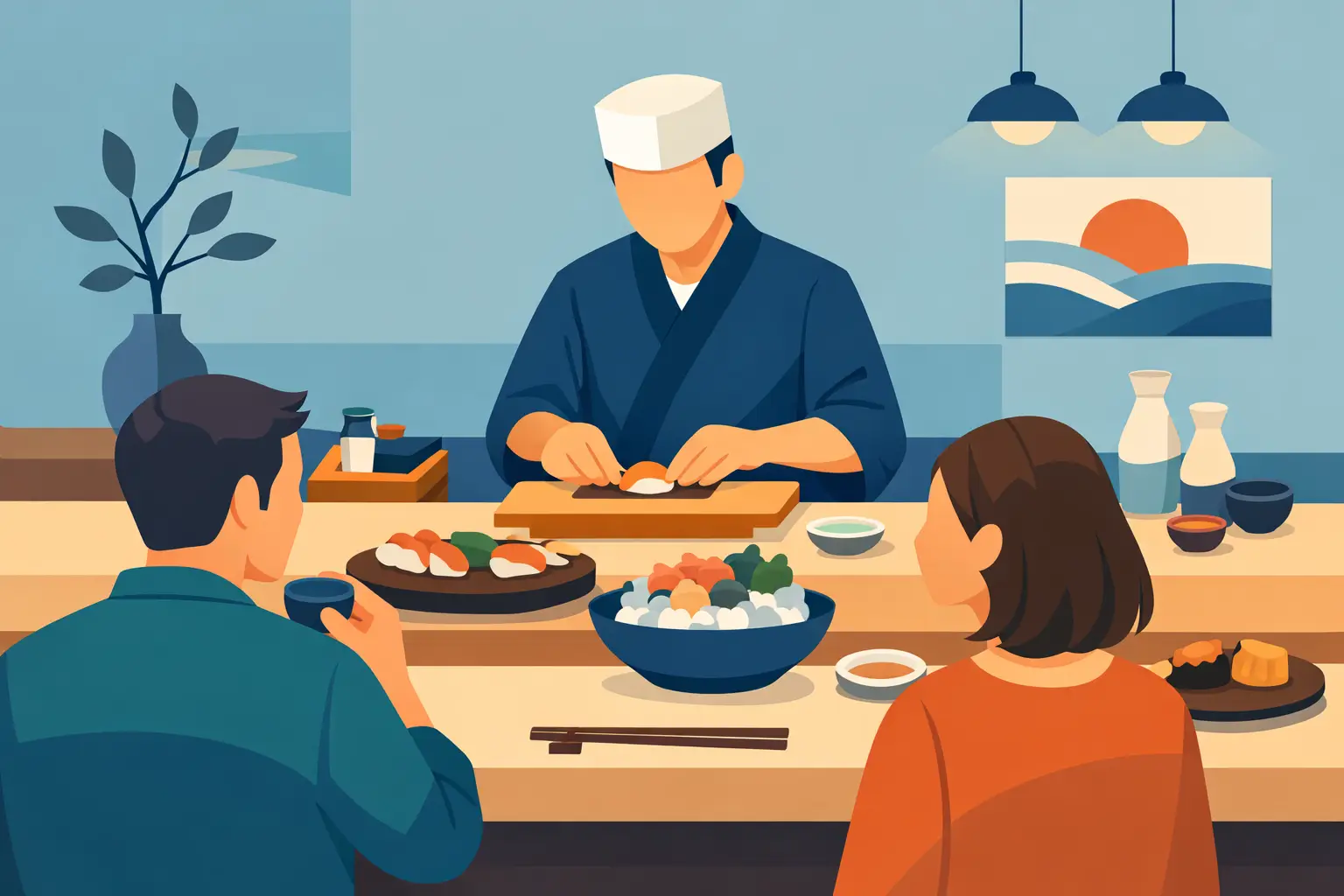
A great sushi dinner can change course with one piece of fish. The bright richness of seasonal uni, the clean bite of a silver-skinned fish, or a slice of Bluefin prepared at its best can make a familiar meal feel new again. That is the appeal of omakase courses: the chef chooses the progression, and the diner gets to taste what is especially good right now.
Omakase means “I leave it up to you.” It is not a test of how adventurous you are, nor does it have to be an ultra-formal, once-a-year event. At its most welcoming, omakase is simply a chef-guided meal built around good judgment: what arrived in excellent condition, what should be served first, and how each piece should lead naturally to the next.
What Makes Omakase Courses Different?
Ordering sushi à la carte gives you control over every piece. Omakase gives the chef room to create a meal with rhythm. A lighter white fish may come first to wake up the palate. A richer cut can follow. Shellfish, cooked items, hand rolls, soup, or a small seasonal dish may appear at the point where they make the most sense.
That pacing is part of the value. Rather than receiving several pieces with similar flavor and texture all at once, you experience contrast: lean and rich, delicate and savory, cool and warm. The meal has a point of view, but it should still feel comfortable. A good sushi chef pays attention to the pace of the table and serves food when it will taste right, not merely when it is convenient to plate.
The best omakase is also grounded in the day’s fish. Sushi is not a static product. Species vary by season, fishing conditions, origin, and how they are handled after arrival. One week, the chef may be excited about sweet shrimp or snapper. Another week, the highlight may be mackerel, a prized white fish, or a particular section of tuna. That changing selection is a feature, not an inconvenience.
The Fish Determines the Experience
The word omakase can sound luxurious on its own, but the meaningful question is more practical: how was the fish sourced and prepared? A beautiful room cannot improve fish that lacks freshness, careful handling, or a clear purpose in the meal.
For sushi, provenance matters because different waters produce different qualities. Fish from Tokyo’s Toyosu Market can offer varieties and Japanese standards of selection that are difficult to find elsewhere. Fish from New Zealand, the East Coast, and the West Coast can bring their own seasonal strengths. A chef with direct access to multiple sources can choose based on condition rather than relying on a narrow, fixed supply.
Preparation matters just as much. Some fish is at its best the day it arrives; some benefits from time and controlled aging to deepen flavor and improve texture. Certain species need precise trimming, light curing, scoring, or a touch of sauce. These are not decorative gestures. They are decisions that help each fish show its character.
Bluefin tuna is an easy example. The tuna category is not one experience. Lean akami, medium-fatty chutoro, and rich otoro each offer something different, and quality changes depending on the fish and the specific cut. Buying whole, wild Bluefin tuna and preparing it in-house gives a sushi kitchen more control over those distinctions. It also creates opportunities to serve cuts that do not always appear on conventional menus.
Why Course Size and Price Can Vary
Not all omakase courses are trying to do the same job. Some are long, formal tasting menus designed for a special occasion and may require a substantial time commitment. Others are concise, casual courses built for a weeknight dinner, a date, or a meal before heading home. Neither format is automatically better. The right choice depends on your appetite, budget, schedule, and how much guidance you want.
A shorter course can be an excellent introduction to chef-selected sushi. It lets you try a well-considered range of fish without turning dinner into a three-hour production. A more expansive course may include a wider variety of seasonal selections, additional cooked dishes, or more premium cuts. The value is not just the number of pieces. It is the quality of the fish, the care behind it, and whether the progression feels satisfying.
At UO NIGIRI, accessible omakase courses starting at $38 are designed around that everyday balance. The goal is to make market-fresh, chef-selected sushi available for a relaxed dinner as well as a celebration, without asking guests to treat every visit like a formal occasion.
How to Get the Most From an Omakase Dinner
You do not need specialized sushi knowledge to enjoy an omakase meal. Curiosity is enough. If you have allergies, dietary restrictions, or a strong aversion to a particular ingredient, mention it before the meal begins. A thoughtful sushi restaurant will tell you what can reasonably be accommodated. Seafood-focused omakase has real limits, especially around shellfish and raw fish, so clear communication helps the chef guide you well.
Try each piece as it is served before reaching for soy sauce or wasabi. In many omakase settings, the chef has already seasoned the sushi to match the fish. Adding more is not wrong, but tasting the original preparation first gives you a better sense of the intended balance. Rice, temperature, seasoning, and texture are all part of the bite.
It also helps to eat at a steady pace. Nigiri is at its best shortly after it is made, when the rice is gently warm and the fish is cool, tender, and properly supported. If a piece is unfamiliar, take a moment with it. Notice whether it is clean, creamy, smoky, briny, firm, or soft. You do not need the perfect vocabulary. Knowing what you enjoy gives the chef useful direction for your next visit.
Familiar Fish and New Discoveries
A welcoming course usually includes a mix of recognizable favorites and less common selections. Salmon, yellowtail, and tuna can offer an easy reference point. Then a chef may introduce fish with a different texture or flavor profile, such as Japanese sea bream, kohada, needlefish, or seasonal shellfish.
This is where omakase can be more personal than an intimidating menu. You are not expected to recognize every name or know exactly what to order. You are invited to taste the chef’s choices and find new favorites in context. A rare fish should never be presented as a status symbol. It should be served because it is delicious and because the chef knows how to handle it.
Sake, Beer, and the Pace of the Meal
A drink can complement omakase, but it should not overwhelm the fish. Crisp beer and dry sake often work well because they refresh the palate between richer bites. If you prefer wine, a bright, mineral-driven white can be a comfortable match. Water and tea are equally appropriate, especially when you want to focus closely on the changing flavors.
There is no single correct pairing. Rich tuna may welcome a fuller sip, while delicate white fish can be overshadowed by a heavy drink. When in doubt, choose something clean and restrained, or simply ask the staff what suits the course that day.
A Better Way to Choose Your Next Course
When comparing omakase courses, look past dramatic descriptions and oversized promises. Ask whether the restaurant discusses where its fish comes from, whether the menu changes with the season, and whether the chef has a clear approach to handling different species. Those details reveal more than a luxury label ever could.
Then choose the experience that fits the night you want. A concise course can turn an ordinary Tuesday into a memorable dinner. A longer course can give a birthday, anniversary, or visiting friend the attention it deserves. The most rewarding omakase is not the one that feels hardest to access. It is the one that leaves you eager to return when the next great fish comes in.
MEDIA

SIGN UP OUR NEWSLETTER
 13354 Washington Blvd.,
Los Angeles, CA 90066
Lunch: Temporarily Closed
Dinner: Mon - Sat 5:30 pm - 10:00 pm (Last Call 9:30 pm)
Sun Closed