Blog
Why Is Toro Expensive? A Look at Bluefin Value
08.28.2026 | Blog
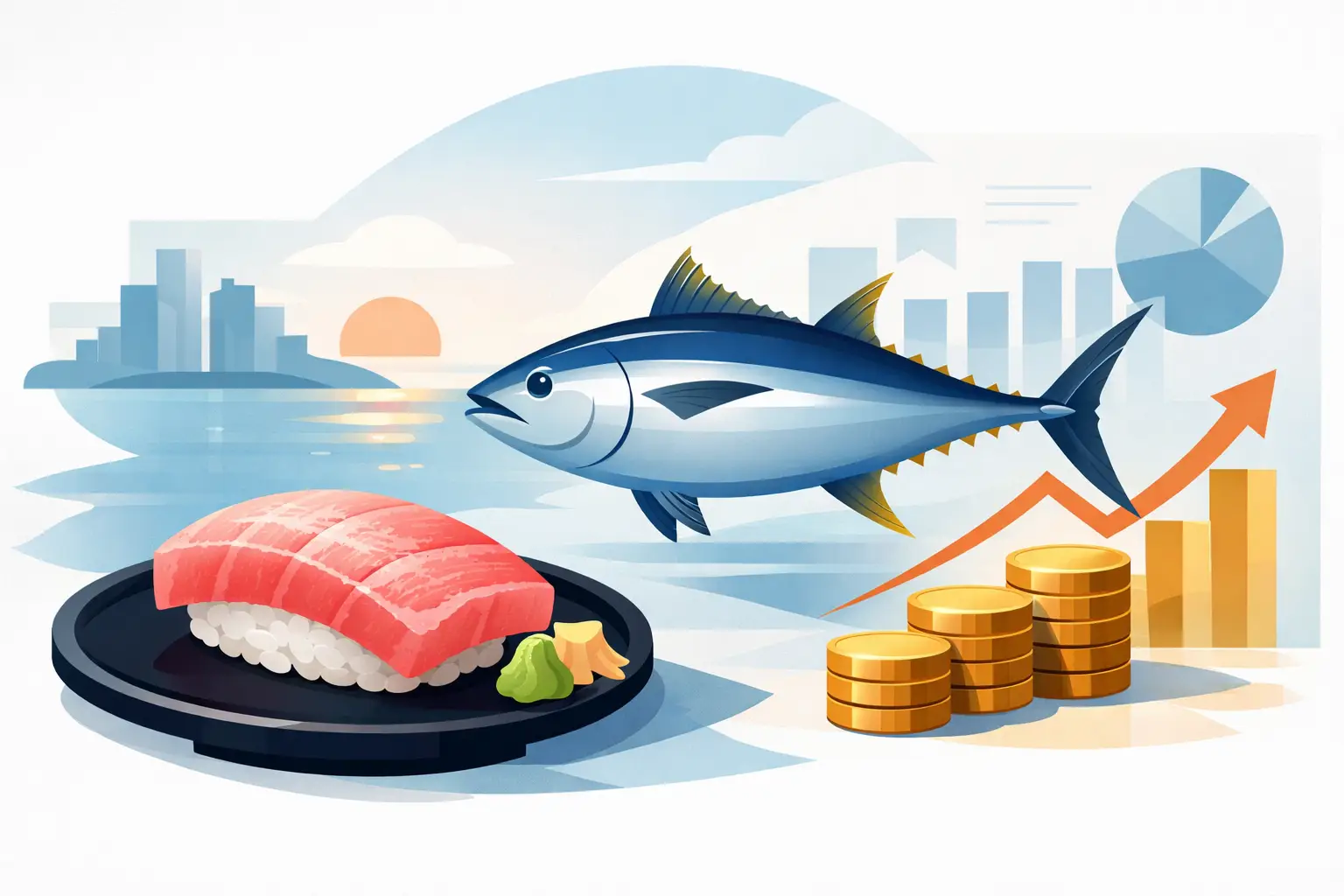
A piece of toro can look simple: pale pink, gently marbled, and placed over warm rice. Yet the question diners often ask is, why is toro expensive when it is only one cut of fish? The answer begins long before sushi is served. Toro reflects a limited part of a remarkable fish, plus the knowledge, handling, and sourcing required to present it at its best.
For sushi lovers, toro is not just a richer version of tuna. It is a specific eating experience: soft texture, clean ocean flavor, and fat that melts across the tongue without feeling heavy. Getting that experience consistently takes more than buying tuna at a higher price.
What Toro Actually Is
Toro comes from the fatty belly area of tuna, most famously Bluefin. The word generally refers to the tuna belly, but there are degrees of richness within that section. Chutoro is medium fatty tuna, with a balance of lean red meat and marbling. Otoro is the fattiest portion, usually taken from the lower belly, and it has the buttery texture many people associate with special-occasion sushi.
That distinction matters because not every section of a tuna can become toro. A large tuna may yield many loin portions for akami, the clean, deep-red lean tuna served as sashimi or nigiri. The highest-grade belly sections are far more limited. Even within the belly, the color, fat distribution, texture, and condition vary from one section to another.
A chef or fish buyer is not simply purchasing “tuna.” They are assessing which parts of a fish are truly suited for otoro, chutoro, sashimi, searing, or another preparation. The label is short. The selection behind it is not.
Why Is Toro Expensive? The Fish Has a Limited Yield
Bluefin tuna are large, powerful migratory fish, but their size does not mean every part is abundant. The prized belly is a small share of the usable fish, and the most beautifully marbled portions are smaller still. Demand concentrates on those few portions, especially otoro, while the rest of the fish must be used thoughtfully across many dishes and formats.
Season also changes the equation. Tuna build and lose fat depending on species, feeding patterns, water temperature, and time of year. A fish with excellent belly fat may be especially desirable, while another fish of the same species and similar size may produce a very different result. That natural variation is part of why toro is graded rather than treated as a uniform commodity.
Supply is shaped by more than seasonality. Wild tuna fisheries operate under regulations, quotas, weather conditions, and changing availability. Responsible sourcing and traceability add necessary work and cost, but they also help restaurants understand what they are purchasing and serving. The price of toro can rise when access to exceptional fish becomes tighter.
Fat Quality Is Not the Same as Fat Quantity
Marbling gets attention because it is visible, but good toro is not chosen simply for having the most fat. Excessively soft texture, dull color, or an unbalanced finish can make a piece less enjoyable, regardless of how rich it looks.
The best toro has structure. It should feel tender but not mushy, rich but still clean, and flavorful without a lingering fishiness. Its fat should begin to soften with the warmth of the rice and the diner’s palate. This is why a skilled buyer looks at the whole fish and why a skilled sushi chef considers the exact cut before deciding how to serve it.
Sometimes chutoro is the more satisfying choice. Its blend of lean meat and fat can offer more contrast and a slightly brighter tuna flavor than otoro. It may be less dramatic, but it is not necessarily less delicious. The better selection depends on the fish that day and the kind of meal a guest wants.
The Work Continues After the Tuna Is Purchased
A tuna’s value can be protected or lost through handling. Temperature control, clean breakdown, storage, aging decisions, knife work, and timing all affect the final bite. Toro is delicate, and its high fat content requires particular care. If it is cut too early, held poorly, or served at the wrong temperature, its texture and aroma can suffer.
Whole-fish purchasing brings another layer of responsibility. It gives a restaurant more control over quality and allows different parts of the tuna to be prepared according to their strengths. It also requires the experience to break down the fish correctly, identify the best belly sections, and use the remaining portions with the same respect.
At UO NIGIRI, owner-chef Yusuke Irie’s fish-wholesale background informs that process. By sourcing directly through established fishmonger relationships and preparing fish in-house, the team can focus on what the fish is telling them that day rather than relying on a fixed, one-size-fits-all selection.
Shipping, Skill, and Waste Are Built Into the Price
Excellent sushi-grade tuna may travel from Japanese markets, New Zealand, or American coastal fisheries before it reaches a Marina del Rey counter. Fast, cold, reliable transport is essential. Unlike a shelf-stable ingredient, fish has a narrow window in which it can be handled, prepared, and served at its peak.
There is also labor that diners do not always see. A chef must inspect the fish, trim it precisely, portion it, and pair it with the right rice, seasoning, and serving temperature. With toro, a few millimeters can change the texture of a slice. A thicker cut may overwhelm the rice; a thin cut may lose the lushness that makes toro distinctive.
Waste prevention is part of the craft as well. The highest-value belly may be limited, but using a whole fish well means honoring every suitable portion. Lean cuts, collar, cheek, scraps, and bones can each have a place when handled by people who know the fish. That fuller use does not make toro cheap, but it reflects a more thoughtful approach than treating the tuna as a collection of only premium pieces.
Expensive Does Not Have to Mean Intimidating
Toro earns its price because it is scarce, variable, perishable, and labor-intensive. But enjoying it should not require a stiff, once-a-year fine-dining ritual. A well-designed omakase can let guests taste toro alongside lean tuna, white fish, shellfish, and seasonal selections, making its richness part of a broader story rather than the entire meal.
For a date night, celebration, or an ordinary craving for excellent sushi, that contrast is often what makes the meal memorable. One piece of toro can feel more special when it follows a clean white fish or a bright, lean cut of tuna. The chef’s sequence gives the fish room to speak.
The next time toro arrives at the counter, take a moment before adding soy sauce. Notice its marbling, let the rice warm it slightly, and taste the balance between richness and freshness. Its price is not only about luxury. It is the result of a rare cut, a carefully chosen fish, and many quiet decisions made to preserve one exceptional bite.
MEDIA

SIGN UP OUR NEWSLETTER
 13354 Washington Blvd.,
Los Angeles, CA 90066
Lunch: Temporarily Closed
Dinner: Mon - Sat 5:30 pm - 10:00 pm (Last Call 9:30 pm)
Sun Closed