Blog
What Makes a Japanese Omakase Experience Special
08.22.2026 | Blog
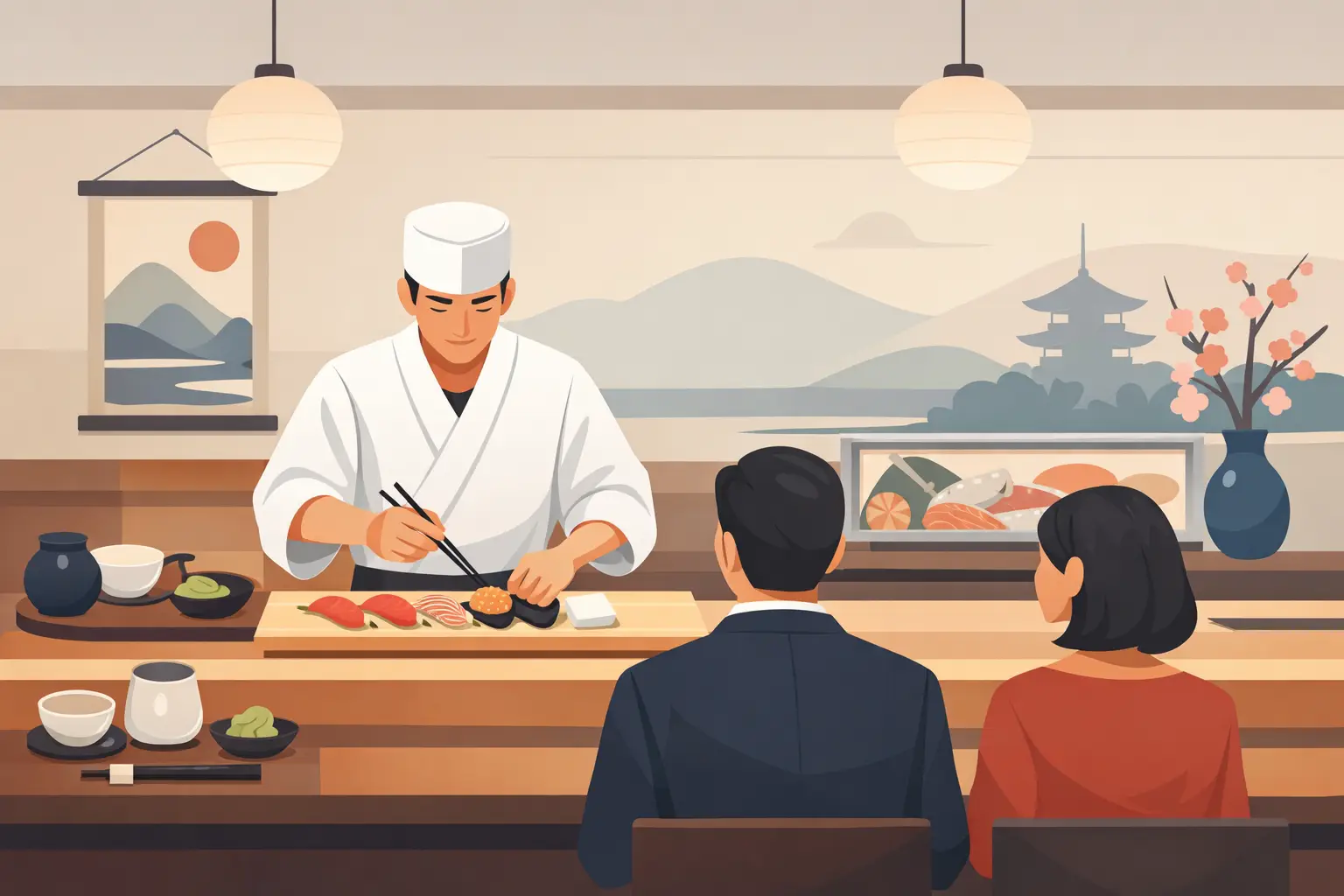
A Japanese omakase experience is not simply a set number of sushi pieces. It is a meal shaped by the fish at its best that day, the chef’s judgment, and the pleasure of being guided rather than having to make every decision yourself. For diners who love sushi but do not want the pressure or price of a formal tasting counter, omakase can be one of the most satisfying ways to eat.
The word omakase means “I’ll leave it up to you.” In practice, that means placing trust in a chef who knows what arrived fresh, what is in season, and how each fish should be cut, seasoned, and served. The result should feel personal, not mysterious: a progression of bites that gives familiar favorites new depth and introduces something unexpected at a comfortable pace.
Omakase starts with the fish, not the ceremony
The best omakase meals begin long before a guest sits down. Sushi is often judged by its presentation, but the real work happens in sourcing and preparation. A chef needs access to excellent fish, the experience to recognize quality, and the discipline to handle each variety properly once it reaches the kitchen.
Seasonality matters because fish changes throughout the year. A piece that is lean, bright, and clean in one season may become richer and more buttery in another. Some fish are at their best only briefly. Others require aging, curing, marinating, or a precise knife technique to bring out their character.
That is why a strong omakase course is not built from a fixed checklist. You may receive classic tuna, yellowtail, salmon, or scallop, but the chef also has room to feature fish that is less common on a standard sushi menu. Depending on availability, that can mean a delicate white fish, a silver-skinned selection with a clean mineral finish, or a richer cut that benefits from a touch of citrus or freshly grated ginger.
At UO NIGIRI, that flexibility is supported by owner-chef Yusuke Irie’s background in fish wholesale and his direct sourcing from Tokyo’s Toyosu Market, New Zealand, and the East and West Coasts. Purchasing whole, wild Bluefin tuna and preparing fish in-house gives the kitchen greater control over freshness, cuts, and the range of fish that can appear on the counter.
What you can expect from a Japanese omakase experience
Omakase does not have to mean a hushed room, a lengthy lecture, or a meal reserved for a milestone. The experience can be polished and relaxed at the same time. At its heart, it is a chef-selected meal that makes good sushi easier to enjoy.
A course often begins with lighter, more delicate flavors before moving toward richer fish. This is not an unbreakable rule, but it helps your palate notice the differences from one piece to the next. You might start with a mild white fish or shellfish, then move to brighter selections, followed by tuna and other full-bodied bites. A hand roll, small appetizer, soup, or dessert may round out the meal depending on the course.
The rice is as important as the seafood. Proper sushi rice should be gently seasoned, served at a temperature that complements the fish, and shaped with enough structure to hold together without becoming dense. A great piece of nigiri feels balanced from the first bite: cool fish, lightly warm rice, and seasoning used with restraint.
The chef may add soy, citrus, salt, or a small amount of wasabi directly to the nigiri. When a piece arrives already seasoned, try it first as served. Reaching for soy sauce automatically can cover the details the chef intended you to taste. That said, omakase should never feel like a test. If you prefer more wasabi, need a pause between courses, or have a question about a fish, asking is always welcome.
The difference between omakase and ordering sushi à la carte
Ordering à la carte gives you control over every selection. It is ideal when you are craving a specific roll, want extra salmon, or are sharing a broad meal with friends and family. Omakase offers a different benefit: it lets the kitchen build around what is especially good right now.
Neither choice is more “correct.” It depends on the occasion. An omakase course can be perfect for a date night, a first visit, or anyone interested in trying fish beyond their usual order. À la carte sushi may make more sense for a quick dinner, a group with varied preferences, or a night when you know exactly what you want. Many regular diners enjoy both, choosing based on mood rather than treating one as a special-occasion-only experience.
How to enjoy omakase without feeling intimidated
You do not need deep sushi knowledge to enjoy a chef-selected meal. Curiosity is enough. The most useful approach is to arrive open to a few new flavors while being honest about dietary needs and strong dislikes.
If you have allergies, let the restaurant know before the meal begins. This is especially important with shellfish, soy, sesame, gluten, and fish roe. If you do not eat raw fish or prefer to avoid a particular ingredient, say so clearly. A thoughtful restaurant can often guide you toward suitable choices, though accommodations depend on the day’s menu and the nature of the course.
When the nigiri is served, it is generally best eaten soon after it reaches you. The fish and rice are prepared to work together at that moment. Chopsticks are fine, but using your fingers for nigiri is traditional and completely acceptable. For ginger, think of it as a palate cleanser between pieces rather than a topping for every bite.
Sake, beer, or tea can complement sushi, but they are not required. A crisp, dry sake can work beautifully with delicate fish, while green tea offers a clean, calming option. Water is equally welcome. The focus is on tasting the fish, not following a script.
Why accessible omakase matters
For many diners, the word omakase still brings to mind a hard-to-book, high-priced experience with little room for spontaneity. There is value in that style of dining, especially when a restaurant is offering a long, highly specialized tasting menu. But it should not be the only way to encounter chef-selected sushi.
An accessible omakase course makes room for more occasions. It can be an easy weeknight dinner after work, a casual celebration, or a reliable answer when you want something fresher and more considered than an ordinary takeout meal. Starting at a price that is within reach also allows guests to return across seasons, noticing how the fish changes and building their own preferences over time.
Approachability should never mean cutting corners. It means putting the investment where it counts: sourcing well, respecting the fish, preparing it carefully, and serving guests with genuine hospitality. A relaxed setting can still hold high standards. In fact, it often makes those standards easier to appreciate because diners feel comfortable asking questions, trying something new, and coming back often.
Choosing the right omakase course for your table
A shorter course is a good place to start if you are new to omakase, dining before an event, or want room to add a favorite dish. A more generous course suits a slower dinner and gives the chef more space to show variety across lighter and richer fish. If you are celebrating, consider the pace you want rather than assuming the largest option is always best.
For couples, omakase creates a shared experience without requiring both people to make the same choices from a long menu. For groups, it can work well when guests are comfortable with seafood and open to the chef’s selection. If someone at the table is very selective, pairing an omakase course with a few familiar à la carte choices can keep dinner easy for everyone.
The most memorable meals are not always the ones with the rarest fish or the longest list of courses. Often, they are the meals where a piece of tuna tastes unusually clean, a seasonal white fish surprises you, or a chef introduces a selection you would never have ordered on your own. Come hungry, share your preferences, and let the meal give you a reason to slow down for a few excellent bites.
MEDIA

SIGN UP OUR NEWSLETTER
 13354 Washington Blvd.,
Los Angeles, CA 90066
Lunch: Temporarily Closed
Dinner: Mon - Sat 5:30 pm - 10:00 pm (Last Call 9:30 pm)
Sun Closed