Blog
Omakase Dinner Examples for Any Los Angeles Night
09.29.2026 | Blog
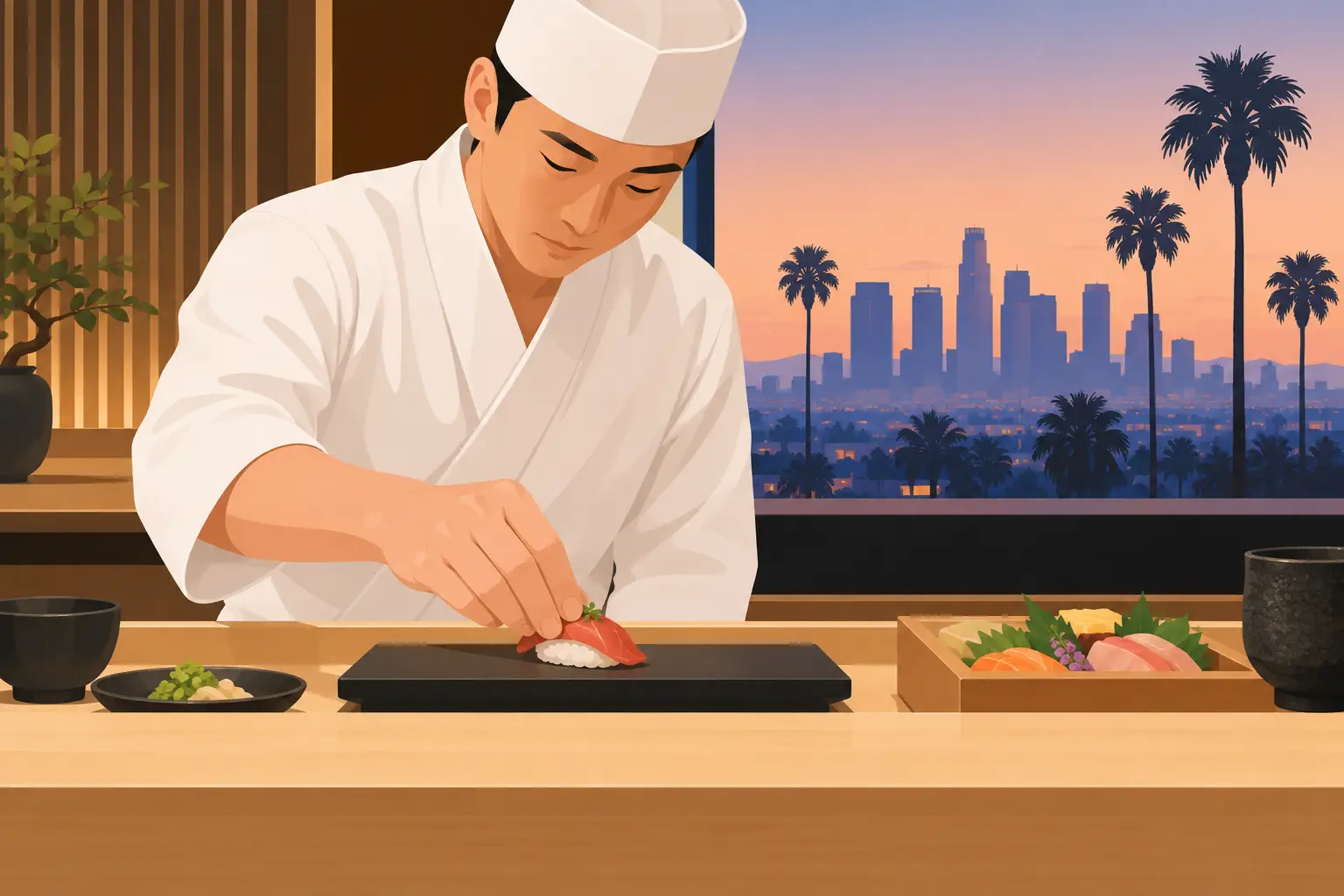
A great omakase dinner does not need a hushed room, a months-ahead reservation, or a once-a-year budget. The best omakase dinner examples begin with a simple idea: trust the chef to serve what is tasting best that day, in an order that makes sense. For diners around Marina Del Rey, that can mean a relaxed weeknight meal, a thoughtful date night, or a dinner that makes a birthday feel special without becoming overly formal.
Omakase translates to “I leave it up to you.” At the sushi counter or table, that trust is earned through fish selection, preparation, temperature, and pacing. The chef may begin with something clean and delicate, then move toward richer fish, finishing with a hand roll, soup, or a small sweet bite. Exact pieces change with the market. That is the point: a chef-selected meal should reflect the season rather than follow a fixed script.
Omakase Dinner Examples by Occasion
The right omakase depends on who is dining, how hungry everyone is, and whether the evening calls for quick comfort or a slower progression of courses. Here are a few useful ways to picture the experience.
A casual weeknight omakase
A casual omakase is often the easiest place to start, especially for diners who usually order a few favorite rolls and nigiri. Think of a compact sequence of sushi that might include bright, lean white fish; salmon with a little extra richness; tuna; and a lightly seared piece for contrast. The chef may add a seasonal fish you have not ordered before, such as a Japanese mackerel or a silver-skinned selection prepared with careful knife work.
This is not about rushing through dinner. It is about choosing well. A smaller course lets the quality of each piece carry the meal, while leaving room to add a favorite nigiri or hand roll if the table wants more. It also makes omakase practical for a Tuesday dinner, not just an anniversary.
A date-night progression
For a date, omakase creates an easy rhythm. There is less menu debate, and each course gives the table something to notice and talk about. A chef might start with a mild snapper or fluke, followed by a creamy scallop, then move into richer selections such as fatty tuna or salmon. A warm preparation, perhaps lightly torched fish or a savory cooked bite, breaks up the sequence before the final hand roll.
The distinction is in the contrast. Delicate fish is best appreciated before stronger flavors arrive. Rich tuna feels more memorable after a clean white fish. Crisp nori in a hand roll is most satisfying when served immediately. Good omakase is not simply a collection of expensive bites. It is a meal with a beginning, middle, and finish.
A celebration dinner
A celebration omakase can be longer and more varied, with a few pieces that feel especially generous or rare. It may include uni, sweet shrimp, premium salmon roe, or several cuts of tuna served in sequence. Seeing lean tuna, medium-fatty tuna, and rich fatty tuna side by side is one of the clearest examples of what chef-guided sushi can offer: a chance to taste the differences rather than choose only one familiar item.
Not every celebration needs the rarest fish on the market. Sometimes the most memorable piece is a perfectly prepared seasonal fish that a diner would not have selected alone. Availability matters. Fish from Tokyo’s Toyosu Market, New Zealand, and the East and West Coasts can bring different textures and flavors to the same dinner, but the chef should always choose based on condition, not novelty.
An omakase for a mixed-experience group
Groups often include one person who knows every cut of tuna and another who is still deciding whether they like raw fish. Omakase can work well for both when the meal is approachable. The chef can lean into familiar selections such as salmon, tuna, yellowtail, and shrimp, then add one or two less common choices without making anyone feel tested.
For diners who prefer cooked food, a mixed dinner may include seared fish, tamago, grilled items, soup, or other warm dishes alongside sushi. It depends on the restaurant and the course. The goal is not to prove how adventurous someone is. It is to send everyone home having eaten something they enjoyed.
What a Thoughtful Omakase Course Can Include
While every chef has a different approach, an omakase course often follows a progression like this: a small opening bite, several pieces of nigiri, a richer or lightly seared selection, and a closing hand roll or comforting finish. The fish may be dressed with a touch of soy, citrus, salt, or fresh wasabi before it reaches the guest. That means extra soy sauce is often unnecessary and can cover the flavor the chef intended.
A well-chosen course creates contrast in more than flavor. Texture matters too. One piece might be soft and buttery, another clean and springy, another pleasantly chewy. Temperature matters as well. Rice should be gently warm, fish should be handled carefully, and nori should remain crisp. Those small details are why sushi tastes noticeably different when it is made piece by piece.
At UO NIGIRI, accessible omakase courses begin at $38, showing that a chef-selected dinner can fit into regular neighborhood dining. Owner-chef Yusuke Irie’s fish-wholesale background shapes the experience from the start: fish is sourced with close attention to market quality, whole wild Bluefin tuna is prepared in house, and the selection can extend beyond the standard sushi-menu lineup.
How to Get More From Your Omakase Dinner
Let the chef know about allergies, dietary needs, and strong dislikes before the first course arrives. This is especially useful for shellfish, raw fish, sesame, and gluten concerns. A good omakase experience has room for preferences, but advance notice gives the kitchen the best chance to adjust the meal thoughtfully.
Arrive ready to try at least one unfamiliar fish. You do not have to love every piece, but omakase is most rewarding when you leave a little room for surprise. If a fish stands out, ask what it was and why it was selected. Questions about seasonality, origin, or preparation are welcome at a restaurant that takes its sourcing seriously.
Pace yourself, too. Avoid filling up on appetizers before a larger omakase, and eat hand rolls soon after they are served. If you are pairing drinks, choose something that supports the fish rather than overwhelms it. Crisp beer, sake, tea, or sparkling water can all work well, depending on the selections.
Why the Fish Changes From One Visit to the Next
A fixed sushi menu offers reassurance. You know you can order salmon or tuna whenever the craving hits. Omakase offers a different kind of reassurance: the chef is selecting from what is best available now. That may mean your second visit feels different from your first, even at the same price point.
Seasonal shifts, weather, market arrivals, and the condition of each fish influence the meal. A chef may choose a local catch when it is exceptional, turn to Toyosu-sourced fish for a particular Japanese variety, or feature a prized tuna cut while it is at its peak. That flexibility is not inconsistency. It is the practical expression of freshness.
The next time you are choosing dinner, think less about whether omakase is reserved for a special occasion and more about what kind of evening you want to have. A short chef-selected course can satisfy an ordinary sushi craving; a longer one can turn a simple reservation into a shared memory. The best choice is the one that leaves you curious about what the market will bring next time.
MEDIA

SIGN UP OUR NEWSLETTER
 13354 Washington Blvd.,
Los Angeles, CA 90066
Lunch: Temporarily Closed
Dinner: Mon - Sat 5:30 pm - 10:00 pm (Last Call 9:30 pm)
Sun Closed