Blog
Why Bluefin Tuna Sushi Tastes So Different
10.07.2026 | Blog
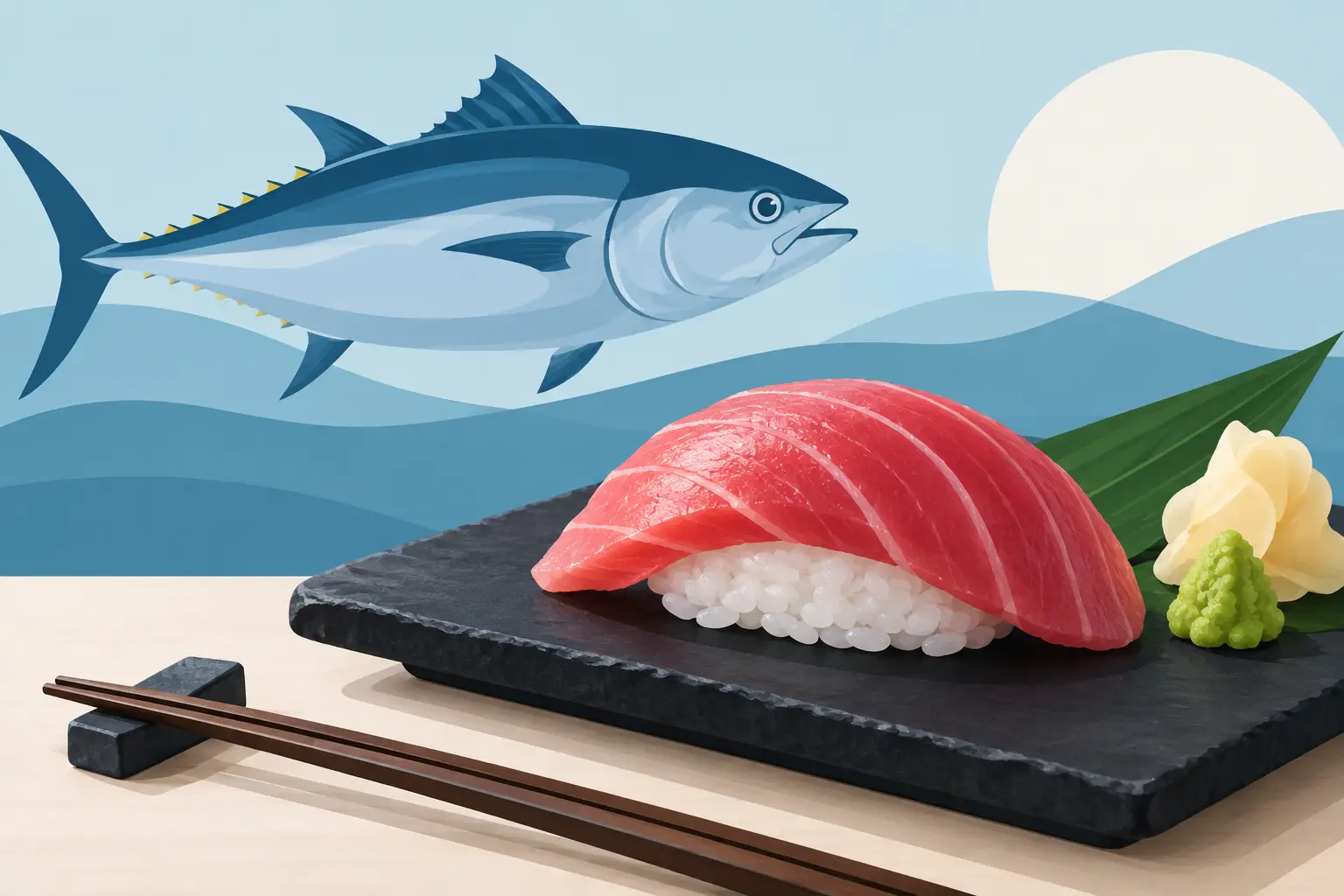
The first piece of bluefin tuna sushi can be surprisingly quiet. There is no need for a heavy sauce or a dramatic garnish. When the fish is handled well, the flavor arrives in layers: clean ocean salinity, gentle sweetness, a savory finish, and, depending on the cut, a soft richness that lingers after the rice is gone.
That simplicity is exactly why bluefin asks so much of the people serving it. The quality of the fish matters, but so do the way it was selected, broken down, aged, sliced, seasoned, and paired with rice. A great piece of tuna nigiri is not just a premium ingredient. It is a series of precise decisions made before it reaches the counter.
What Makes Bluefin Tuna Sushi Different?
Bluefin is often discussed as if it were one single flavor, but a whole fish offers several distinct experiences. The lean red meat, the lightly marbled center cuts, and the richly fatty belly all behave differently on the palate. That range is one reason bluefin remains so compelling for sushi lovers: one fish can carry a progression from clean and structured to silky and indulgent.
Its texture also sets it apart. Good bluefin has a density and tenderness that feels substantial without becoming chewy. The lean cuts should have a clear, fresh character rather than a metallic or watery taste. The fattier cuts should melt gradually, not disappear under an oily film. Temperature is part of that balance. Fish served too cold can seem firm and muted; fish allowed to warm slightly reveals more aroma and softness.
Bluefin is best understood as a seasonal fish, not a fixed menu item with one permanent profile. The amount and quality of fat can change with the fish's origin, diet, time of year, and condition. That is why a chef who works closely with the market may serve bluefin differently from week to week. The goal is not to make every piece taste identical. It is to serve each portion when it is at its best.
The Cuts of Bluefin Tuna Sushi
A sushi menu may list tuna simply as maguro, but the cut tells a more useful story. Knowing a few names can help diners order with confidence and enjoy the contrast between pieces.
Akami is the lean red meat, often taken from the sides or back of the fish. It is the most direct expression of tuna: savory, mineral-driven, and clean. Akami rewards careful knife work because its firmer texture benefits from a slice that is neither too thick nor too thin. It is often an excellent place to start a tuna tasting.
Chu-toro comes from the medium-fatty belly area. It brings more tenderness and sweetness than akami while retaining enough structure to feel distinctly like tuna. For many guests, chu-toro is the ideal middle ground. It is rich, but it does not overwhelm the rice or make the meal feel heavy.
Otoro is the prized, richly marbled belly cut. At its best, it has a buttery texture and a round, sweet finish. It is memorable, but it is not automatically the “best” choice for every diner or every course. A piece of excellent akami can be more exciting than an average fatty cut, especially when the fish has depth and the rice is properly seasoned.
There are other areas of a whole tuna that skilled chefs may use in thoughtful ways, including cuts near the collar or around the cheek. These pieces can offer striking texture and flavor, but availability depends on how the fish is purchased and prepared. Buying and breaking down a whole fish gives a restaurant more opportunity to present those less common expressions rather than relying only on standardized loin portions.
Why Sourcing and Preparation Matter
With bluefin, freshness is not a vague promise. It begins with access to the right fish and the knowledge to judge it. Color alone is not enough. A chef or fish buyer considers the fish's firmness, fat distribution, aroma, grain, and overall condition. The best choice also depends on the intended use. A lean cut for nigiri needs different qualities than a belly portion meant to be served later in an omakase progression.
At UO NIGIRI, owner-chef Yusuke Irie's fish-wholesale background informs a direct approach to sourcing, including whole wild bluefin tuna and fish selected from markets in Japan, New Zealand, and both U.S. coasts. That supply chain matters because it gives the kitchen more control over what arrives and how it is prepared.
Once a whole tuna is in-house, every stage affects the final bite. Proper butchery protects the character of each section. Controlled storage preserves texture. Some tuna benefits from a short resting period, which can allow the flavor to become more integrated and the texture to relax. The right timing depends on the specific fish. Serving it immediately is not always the same as serving it well.
Then comes the slice. Tuna is cut across the grain with a long, clean stroke so the flesh feels tender rather than stringy. The chef may alter the angle, thickness, or scoring based on the cut. A fatty piece needs enough surface area to soften over warm rice. A lean piece may be sliced to emphasize its supple texture and clean finish.
Rice Is Not a Background Ingredient
Bluefin tuna is the focus, but nigiri only works when fish and rice support each other. Sushi rice should be gently warm, lightly seasoned, and formed with enough air to yield easily when eaten. Too much pressure creates a dense bite. Too much vinegar can flatten the tuna's sweetness. Too little seasoning leaves rich cuts tasting dull.
The size of the rice mound matters as well. A generous slice of otoro over too much rice can feel tiring. An elegant portion of akami over a properly sized mound allows the savory fish, vinegar, and subtle sweetness to meet at the same moment. This is why nigiri often tastes more balanced at the counter than when it is treated as just another piece of fish on a large plate.
Wasabi and soy sauce should be used with restraint. Many chefs place the appropriate amount of wasabi between fish and rice, where its aroma can lift the tuna without taking over. If soy sauce is offered, lightly touch the fish side to it rather than soaking the rice. The point is to sharpen the flavor, not cover the work that went into it.
How to Order Bluefin at a Sushi Bar
If you are new to bluefin, beginning with akami and moving toward chu-toro and otoro is an easy way to notice the fish's natural range. This order moves from lean to rich, keeping the palate fresh and making the changes in texture easier to recognize.
If you already know you prefer fatty tuna, ask what is tasting especially good that day rather than ordering by name alone. A chef may have a particular cut that is showing beautifully, or may recommend a different preparation based on the fish in hand. In an omakase meal, bluefin can appear at a point chosen to complement what came before and what follows. Sometimes it is best early, when its clean flavor can stand out; other times a richer cut is a satisfying late-course moment.
A few practical habits help, too. Eat nigiri shortly after it is served, ideally in one bite if comfortable. This preserves the intended balance of temperature and texture. Start with a clean palate, avoid drowning the piece in soy sauce, and give yourself a second to notice how the flavor changes as it warms. Great sushi is not meant to be rushed, but it also is not meant to wait.
A Note on Bluefin and Responsible Choice
Bluefin's popularity makes responsible sourcing an essential part of the conversation. Sustainability is not answered by a single label or a blanket statement about one species. It depends on the fish's origin, harvest method, management rules, season, and the standards of the suppliers involved.
For diners, the useful question is simple: does the restaurant know where its fish comes from and treat that information as part of its work? A sushi bar that builds relationships with knowledgeable fishmongers, follows market conditions, and buys with care is better positioned to make thoughtful choices than one that treats tuna as a generic commodity.
The next time bluefin arrives at your table, take a moment before reaching for the soy sauce. Notice whether it is lean and savory, softly marbled, or luxuriously rich. That small pause turns a familiar order into a closer look at the fish, the season, and the craft behind a single piece of nigiri.
MEDIA

SIGN UP OUR NEWSLETTER
 13354 Washington Blvd.,
Los Angeles, CA 90066
Lunch: Temporarily Closed
Dinner: Mon - Sat 5:30 pm - 10:00 pm (Last Call 9:30 pm)
Sun Closed