Blog
How Chefs Prepare Nigiri Rice for Better Sushi
10.21.2026 | Blog
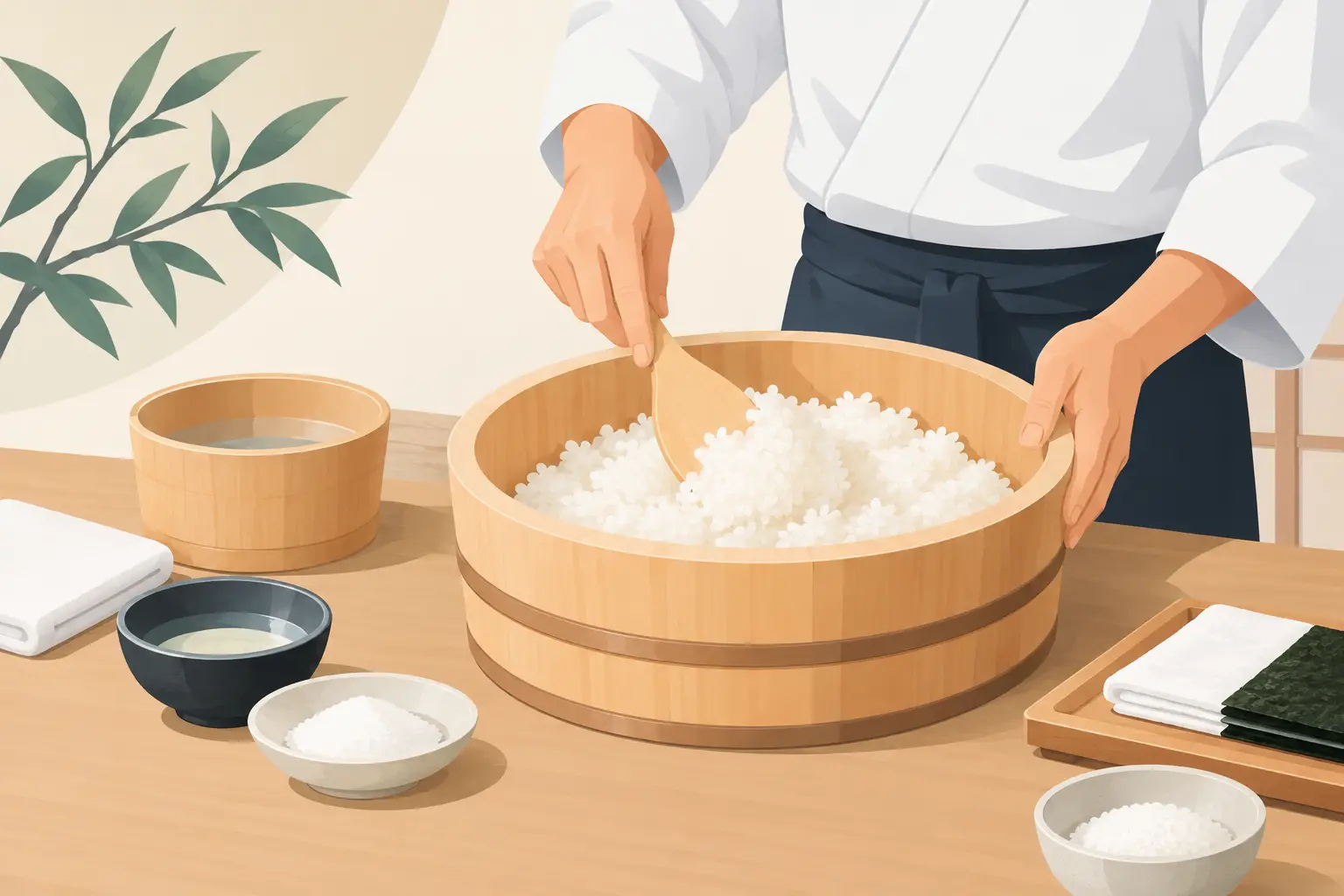
The fish may be the first thing you notice on a piece of nigiri, but how chefs prepare nigiri rice determines whether that bite feels balanced or falls apart. The rice carries temperature, seasoning, texture, and aroma. It gives rich toro lift, lets delicate white fish speak clearly, and provides just enough structure for a chef to place each slice with care.
At a sushi counter, rice preparation begins long before service. It is a daily discipline built on repetition, touch, timing, and adjustment. Even a small change in water, weather, or the character of that day’s fish can affect the final result.
How Chefs Prepare Nigiri Rice, Step by Step
Professional sushi chefs do not treat rice as a side dish. It is shari - the foundation of nigiri - and it is prepared with the same attention given to seasonal seafood. The goal is not simply fluffy rice or strongly vinegared rice. The goal is distinct, tender grains that hold together lightly and complement the fish.
Choosing the right short-grain rice
Nigiri begins with Japanese-style short-grain rice. Its natural stickiness allows a chef to form a small mound that stays intact from the board to the plate, while its soft, slightly chewy center creates the right contrast with raw fish.
Not every short-grain rice behaves the same way. Grain size, freshness, moisture level, and milling all affect how much water it absorbs and how it cooks. A chef who changes rice suppliers or opens a new bag may need to adjust soaking time or water ratios. This is one reason consistently good sushi reflects experience rather than a fixed recipe.
The rice should be polished enough to cook cleanly, but handled gently. Broken grains can make the finished shari overly dense and pasty, which is the opposite of the airy texture chefs want for nigiri.
Washing away excess surface starch
Before cooking, chefs rinse the rice several times in cool water. The first rinse is usually quick because dry rice absorbs water immediately. Letting it sit in cloudy water can leave behind unwanted starch and a duller flavor.
The rice is then washed with a light, controlled motion and rinsed until the water becomes much clearer. It does not need to run perfectly transparent, but it should no longer look milky. This step helps each grain cook more distinctly rather than clumping into a heavy mass.
There is a trade-off here. Underwashing can make rice sticky and thick. Overworking the grains can damage them, reducing their clean texture. A trained hand is looking for a middle ground: enough rinsing for definition, enough care to preserve the grain.
Soaking and cooking for a tender center
After washing, rice is soaked so moisture can move evenly toward the center of each grain. The proper soaking time depends on the rice itself and the season. Cooler conditions often call for more time, while warmer weather may require less. A restaurant kitchen also accounts for how quickly rice will be used after cooking.
Rice is cooked with measured water, traditionally in a rice cooker or commercial cooker that can maintain consistent heat and pressure. The finished rice should be fully cooked without becoming wet or mushy. When pressed gently, a grain should yield easily but still have a clear shape.
Resting matters, too. Once cooking is complete, the rice needs a short period for steam and internal moisture to settle. Skipping this moment can create uneven texture, with some grains too firm and others too soft.
Seasoning the Rice While It Is Hot
The signature flavor of nigiri rice comes from sushi vinegar, usually a blend of rice vinegar, sugar, and salt. Recipes differ by chef, region, and style. Some are brighter and more vinegary, while others are rounder and slightly sweeter. Neither approach is automatically better. The right balance depends on the seafood, the menu, and the chef’s point of view.
The seasoning is folded into hot rice in a wide wooden tub, often called a hangiri. Wood helps absorb excess moisture and gives the rice room to cool quickly. The vinegar mixture is distributed across the rice, then the chef uses a paddle to cut through and turn the grains instead of stirring them in circles.
That cutting motion is essential. It coats the rice without crushing it. As the rice is turned, a fan or cooling system helps bring down the temperature while preserving a slight sheen. Properly seasoned shari should taste lively but not sour, with enough salt to sharpen the fish and enough sweetness to soften the vinegar’s edge.
At UO NIGIRI, the care given to rice matters because fish is selected for its individual character. A deeply flavored piece of wild Bluefin tuna needs a different kind of support than a clean, mild white fish. Great nigiri lets both components meet in the middle.
Why temperature changes the flavor
Nigiri rice is not usually served cold. It is ideally near body temperature or gently warm, while the fish is kept cool for freshness and clean texture. That small temperature contrast is one of sushi’s quiet pleasures.
Warm rice releases the aroma of vinegar and rice more readily, while cool fish feels silky and fresh. If the rice is too hot, it can warm the fish too quickly. If it is too cold, its flavor tightens and the grains can feel firm. Timing during service is therefore part of preparation, not an afterthought.
Holding Shari Through Service
A sushi chef prepares rice for a service window, not for an entire day without change. Once seasoned, shari is typically held in a covered wooden container or insulated vessel at a controlled room-like temperature. Refrigeration makes rice hard and dry, so cold storage is generally avoided for sushi rice intended for immediate nigiri service.
Humidity, room temperature, and time all matter. As rice sits, it gradually loses moisture and its vinegar aroma changes. Chefs check it repeatedly, feeling the grains and tasting small portions. If it has become too dry, too cool, or too compact, it will not make its best nigiri.
This is why excellent sushi can feel especially vivid early in a carefully managed service. It is not about chasing a rigid clock. It is about serving rice while its texture and seasoning are at their most expressive.
Shaping Nigiri Without Packing It Tight
When an order comes in, the chef takes a measured amount of rice and forms it with a few precise movements. The goal is a compact-looking mound with air still held between the grains. It should stay together when lifted with chopsticks, then loosen gently in the mouth.
Packing the rice too tightly creates a dense, chewy bite that can overpower the fish. Making it too loose risks a piece that collapses before it reaches the diner. The ideal shape also depends on the topping. A broad slice of fish may need a slightly wider base, while a more delicate piece may call for a smaller, lighter form.
Chefs may add a touch of freshly grated wasabi between the rice and fish, depending on the piece and the guest’s preferences. This is not merely heat. Wasabi can bridge the fatty, savory, or mineral notes of the seafood with the seasoned rice below.
The final test is the bite
The best nigiri does not announce the rice as a separate accomplishment. It supports the fish so naturally that both seem designed for the same bite. You taste the gentle acidity first, then the grain’s softness, then the texture and flavor of the seafood as it opens across the palate.
That is why sushi rice deserves attention equal to the day’s catch. The next time nigiri arrives at the table, notice its warmth, its lightness, and the way the grains release. Those details are where a chef’s daily craft becomes something you can taste.
MEDIA

SIGN UP OUR NEWSLETTER
 13354 Washington Blvd.,
Los Angeles, CA 90066
Lunch: Temporarily Closed
Dinner: Mon - Sat 5:30 pm - 10:00 pm (Last Call 9:30 pm)
Sun Closed