Blog
How to Identify Fresh Nigiri Before Your First Bite
09.09.2026 | Blog
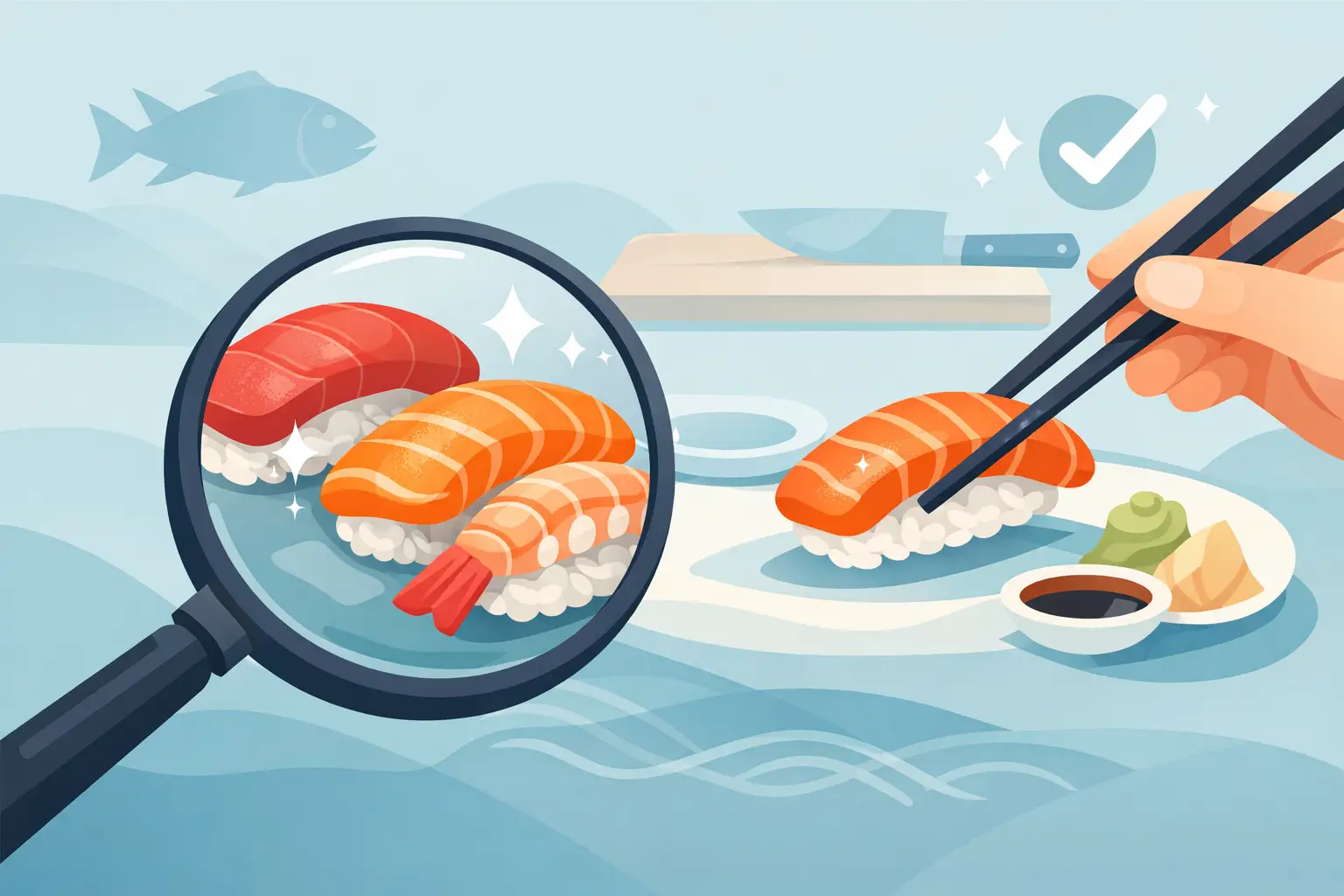
A great piece of nigiri should make its case in a few quiet seconds. The fish looks alive with color, the rice is gently warm, and the first bite feels clean rather than heavy. Learning how to identify fresh nigiri helps you order with confidence, whether you are trying an omakase course, choosing a few favorites, or bringing sushi home for dinner.
Freshness matters, but it is not the only measure of good sushi. A skilled chef also considers the fish’s natural fat, texture, season, and the right amount of aging. The goal is not fish that was pulled from the water moments ago. The goal is fish that has been sourced carefully, stored correctly, prepared with purpose, and served at its best.
Start With the Look of the Fish
Your eyes can reveal a great deal before you pick up the nigiri. Fresh fish should have a clear, natural-looking surface with a light sheen. It may glisten, especially if it is a fatty fish such as toro or salmon, but it should not look wet, dull, or coated in a thick layer of moisture.
Color depends on the variety. Lean tuna should look deep red to rosy red, while fatty tuna has lighter pink tones and visible marbling. Yellowtail may be pale pink or beige with a clean translucence. White fish often appears pearly, ivory, or subtly pink. What you are looking for is color that feels even and natural for that fish, not gray edges, brown patches, or a faded, tired appearance.
The cut should also be precise. A clean slice has smooth edges and lies neatly across the rice. Ragged cuts can happen, but they may suggest a knife that is not sharp enough or fish that has softened beyond its ideal texture. Fine knife work is not just presentation. It protects the fish’s texture and gives every piece a more balanced bite.
Notice the Aroma Before the Flavor
Good nigiri smells mild and clean. You may notice the ocean, seaweed, or the gentle fragrance of rice vinegar, but you should not encounter a strong fishy odor. That sharp smell people associate with bad seafood is usually a warning sign of improper handling or fish that has been held too long.
There is a useful distinction here: some fish have naturally fuller aromas than others. Mackerel, sardine, and other silver-skinned fish can be more assertive, particularly when cured with salt or vinegar in the Japanese tradition. Their aroma should still be appetizing and intentional, never sour, ammonia-like, or unpleasantly pungent.
If a piece smells off, trust that response. You do not need advanced sushi knowledge to recognize when seafood does not smell clean.
How to Identify Fresh Nigiri by Texture
Texture is often the clearest sign once you take a bite. The fish should feel supple and connected, not mushy or stringy. It should yield gently to your teeth, then carry a little natural structure. Even rich cuts of tuna should feel silky rather than soft in a way that seems past its prime.
Different fish bring different textures, and that variety is part of the pleasure of nigiri. Snapper and fluke can have a delicate spring. Scallop is tender and sweet. Squid may have a light chew when cut and scored properly. Toro should nearly melt, but its fat should taste clean and sweet, not greasy. A chef chooses the cutting style for each fish because texture is as important as flavor.
Pay attention to whether the fish and rice separate in an awkward way. Nigiri should hold together long enough to reach your mouth, then loosen easily as you bite. If the fish slides around, feels dry on top, or has an oddly cottony texture, it may have been sitting too long after being made.
The Rice Is Part of the Freshness Test
Nigiri is not simply sashimi placed on rice. The rice, or shari, carries temperature, seasoning, and structure through the entire piece. It should be lightly seasoned with vinegar and shaped with enough care to stay together without being compressed into a hard block.
At its best, sushi rice is close to body temperature or just slightly warm. This creates a welcome contrast with cool fish and lets the rice’s gentle sweetness come through. Rice that is refrigerator-cold can feel firm and mute the flavors of the fish. Rice that is overly wet, gummy, dry, or stale can make even excellent seafood less satisfying.
Look for individual grains that are still distinct. The rice should release softly on the tongue, not require chewing like a dense ball. That delicate texture is a sign that the nigiri was formed recently and handled with a practiced touch.
Temperature Tells a Quiet Story
Fish should be cool, but it does not need to be ice-cold. Extremely cold fish has less aroma and flavor, which can make a beautiful piece of nigiri taste flat. A thoughtful sushi counter brings fish to a temperature where its character can be tasted while keeping food safety and proper storage firmly in place.
Timing matters after the nigiri is made, too. Rice starts to lose its ideal texture as it sits, and delicate fish can dry at the edges. This does not mean every piece must be eaten instantly. It means nigiri is best enjoyed soon after it reaches the table, especially in an omakase setting where the chef has planned the order of each course.
For pickup or delivery, freshness is still possible, but the experience changes. Eat nigiri promptly after it arrives, keep it out of direct heat, and avoid refrigerating it for long periods if you can. Cold storage can harden the rice quickly. If you must store leftovers, prioritize food safety and understand that the texture will not be the same the next day.
Fresh Does Not Always Mean Never Frozen
One common misconception deserves some context. High-quality sushi fish is not necessarily fish that has never been frozen. Freezing is often used for parasite control, particularly for fish intended to be eaten raw, and it can be part of responsible seafood handling.
What matters is the full chain of care: how the fish was caught, chilled, transported, frozen if needed, thawed, cut, and served. A fish that was frozen properly and handled expertly can offer excellent texture and flavor. Conversely, fish advertised as fresh can still disappoint if its handling was careless.
A knowledgeable sushi restaurant will make sourcing and preparation part of its standard, not an afterthought. Direct relationships with fishmongers, seasonal buying, whole-fish preparation, and a menu that changes with availability are meaningful signs that the kitchen is paying attention to what each fish needs.
Ask the Questions a Good Sushi Bar Welcomes
You do not have to quiz every server, but a few friendly questions can help you choose well. Ask what is especially good that day, whether a fish is seasonal, or what the chef recommends if you like richer or lighter flavors. The answer should be clear and comfortable, not overly technical or evasive.
A strong sushi team can explain the difference between lean tuna and fatty tuna, suggest a white fish for someone who enjoys a clean finish, or point you toward a rare selection when it is available. They should also be honest when a particular fish is not at its peak. That honesty is a mark of respect for both the ingredient and the guest.
At UO NIGIRI, the approach begins before service, with fish selected through relationships built from owner-chef Yusuke Irie’s fish wholesale and culinary experience. Sourcing from Toyosu Market, New Zealand, and the East and West Coasts allows the menu to follow seasonality rather than rely on the same limited selection every day.
Let Your Own Taste Be the Final Test
The best fresh nigiri has clarity. You can taste the identity of the fish, the seasoning of the rice, and the balance between them. It leaves a clean finish that invites another bite, not a lingering heaviness that makes you reach for soy sauce to cover it up.
Soy sauce and wasabi have their place, but use them lightly at first. Many chefs season or brush the fish to create a specific balance. Try the piece as served, then adjust only if you want to. You will notice more of the fish’s natural sweetness, fat, and texture that way.
Choose a piece that looks cared for, eat it while the rice is still inviting, and let the chef guide you toward what is best that day. Fresh nigiri is not about chasing a single visual rule. It is about recognizing the care you can see, smell, and taste in every bite.
MEDIA

SIGN UP OUR NEWSLETTER
 13354 Washington Blvd.,
Los Angeles, CA 90066
Lunch: Temporarily Closed
Dinner: Mon - Sat 5:30 pm - 10:00 pm (Last Call 9:30 pm)
Sun Closed