Blog
How to Pace Omakase Without Rushing Dinner
10.31.2026 | Blog
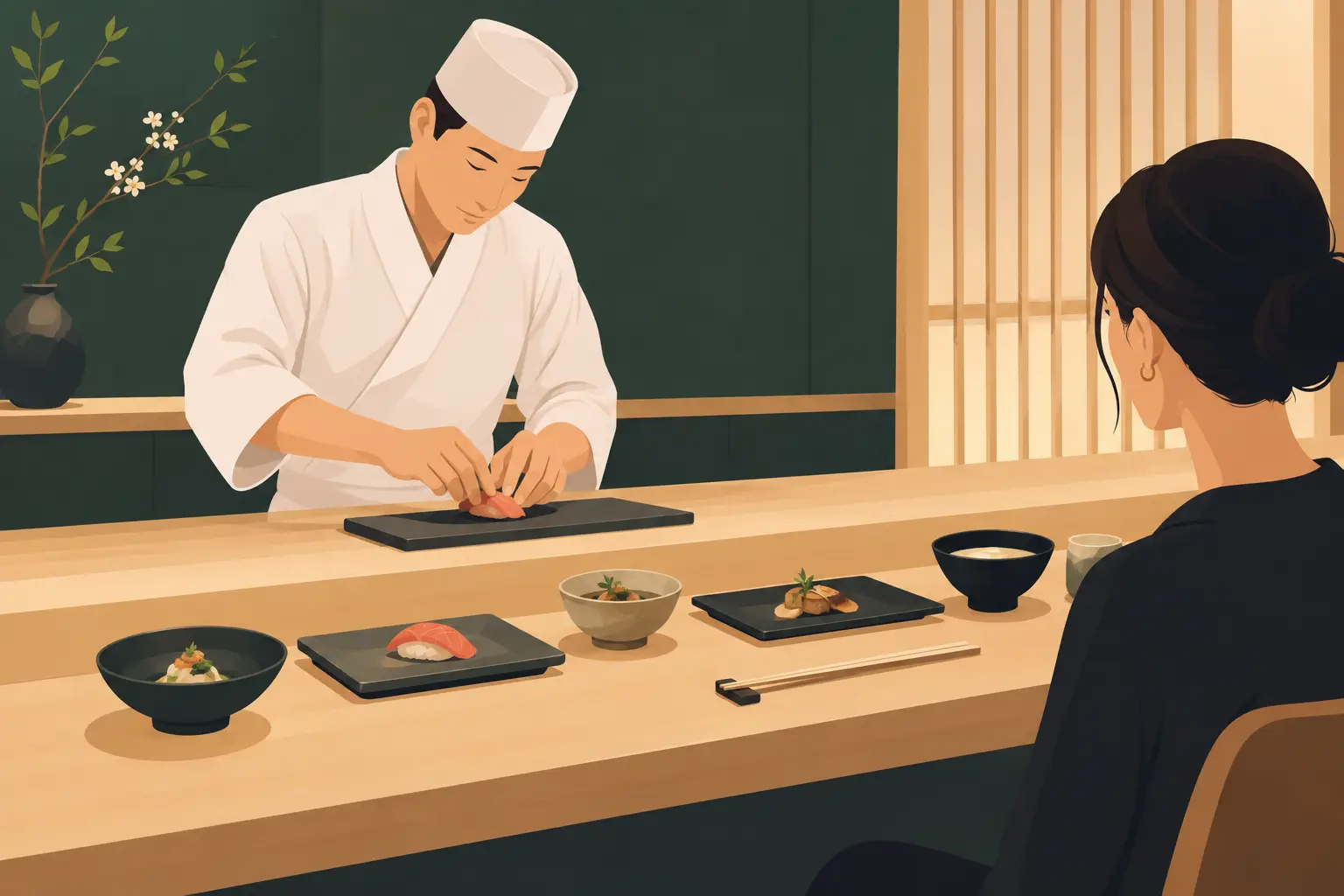
A great omakase dinner has its own rhythm: cool, clean flavors at the start; richer fish as the meal builds; a small pause when the chef needs one; and a final bite that feels complete rather than hurried. Knowing how to pace omakase is less about following strict etiquette than paying attention to that rhythm. Your job is simple: arrive ready to enjoy the fish when it is at its best.
Omakase means “I’ll leave it up to you.” The chef takes responsibility for the progression of the meal, choosing fish that is in season, deciding how each piece should be prepared, and arranging flavors so they make sense together. Diners do not need to be experts. A relaxed pace, a little curiosity, and a willingness to trust the next bite are enough.
How to Pace Omakase From the First Course
Give yourself time. For a casual omakase course, plan on about an hour, and longer if you are adding drinks, extra pieces, or sharing the meal as part of an evening out. The exact timing depends on the restaurant and course, but omakase is not designed to be squeezed into a 25-minute dinner between errands.
Arrive a few minutes early, especially if you have a reservation. It lets you settle in, look over the drink options, and begin without the feeling that you are already behind. If you have a theater ticket, a meeting, or another fixed commitment, let the staff know at the beginning. Most restaurants can help guide the timing when they know what you need.
Once the first piece arrives, eat it promptly. Sushi rice is seasoned and shaped for a particular moment. Fish that has just been sliced and placed over rice has a different temperature, texture, and balance than it will five or ten minutes later. This is especially true for delicate white fish, lightly seared selections, and pieces finished with citrus, scallion, or a house sauce.
That does not mean you need to eat in silence or rush through every course. Take a moment to notice the fish, then enjoy it while it is fresh. Conversation can continue naturally between pieces. The best table rhythm is usually bite, sip, talk, and then return your attention when the next course is served.
Let the chef set the sequence
An omakase menu often begins with lighter, cleaner fish before moving toward richer or more deeply flavored selections. You may taste a bright white fish, then a silver-skinned fish with more character, followed by salmon, toro, or another fuller piece. Cooked items, hand rolls, soup, or tamago may appear later to round out the experience.
That order is intentional. Starting with fatty tuna can make subtle fish seem quieter afterward; drinking a strongly flavored cocktail before a delicate piece can do the same. If the chef offers a recommendation about eating something first, using your hands, or taking a bite in one piece, it is worth following. These are not rules meant to make dinner formal. They are small details that protect the flavor the chef prepared.
At UO NIGIRI, the changing selection reflects market-fresh fish sourced through owner-chef Yusuke Irie’s longtime fishmonger relationships, including seafood from Toyosu Market, New Zealand, and both US coasts. That kind of sourcing is one reason an omakase meal should be allowed to unfold. A rare fish may be served at a particular point because its flavor belongs there, not simply because it is expensive or unfamiliar.
Eat Each Piece Before It Waits
The most useful omakase habit is also the easiest: do not let sushi accumulate on the plate. In many traditional counter settings, pieces are served one or two at a time for precisely this reason. At a table, the course may arrive in a small grouping, but the same idea applies.
Start with the piece the chef or server indicates, if they do. If there is no guidance, begin with the lighter-looking fish and save richer tuna, eel, or seared items for later. Avoid treating the plate like a tasting board that needs to be photographed, discussed, and picked over for several minutes before anyone eats. A quick photo is perfectly fine. Then let dinner continue.
Use soy sauce carefully. Many pieces already have the right seasoning, whether from brushed soy, citrus, salt, or a finishing sauce. Adding more can cover the difference between one fish and the next. If you are unsure, ask. A good sushi restaurant welcomes the question, and the answer may help you taste more of what makes that piece special.
Wasabi follows the same principle. It is meant to lift the fish, not overpower it. Rather than mixing a large amount into soy sauce, try a small touch directly with a piece that needs it. Ginger is best used as a palate reset between different fish, not piled onto the sushi itself.
Pace Drinks to Support the Fish
A drink can make omakase feel more celebratory, but it can also pull attention away from the food if it is too sweet, smoky, or high-proof. Water, green tea, lager, crisp sake, or a dry white wine are often easy partners because they refresh the palate without competing with the fish.
There is no need to order alcohol for the experience to feel complete. Many guests prefer tea or sparkling water, particularly at lunch or on a weeknight. If you do order sake, sip rather than match every piece with a full drink. The goal is to keep your palate awake through the course, especially as the meal moves from mild fish toward richer flavors.
If you are celebrating, consider pacing the drinks before ordering more sushi. A second round may sound appealing midway through dinner, but it can slow the table enough that the final hand roll or warm dish loses its intended contrast. The right amount depends on the group, but the food should remain the center of the evening.
Conversation Has a Place at Omakase
Omakase is often associated with quiet counters, but it does not require a silent table. It works beautifully for dates, birthdays, family dinners, and catching up with friends. The difference is that conversation should leave room for the food.
When a new piece arrives, pause long enough to hear what it is. If the chef or server explains that it is a seasonal catch, a rare selection, or a specific cut of Bluefin tuna, that context is part of the meal. You do not need a long lecture on every bite, but a few words can change how you taste it.
For groups, try to keep everyone moving at roughly the same pace. One guest should not feel pressured to race through a plate, but it is also difficult for a chef-led meal when half the table is ready for the next course and the other half has barely started. Check in naturally: “Ready for the next one?” is often all it takes.
Ask for what you need early
The chef can only guide the meal well when they know about allergies, dietary restrictions, strong dislikes, and time constraints before the course begins. Tell the team if you do not eat shellfish, prefer cooked items, are pregnant, or have an allergy that requires careful handling. A true allergy deserves clear, direct communication.
Preferences are welcome, too. Maybe you love uni, cannot get enough of toro, or are trying omakase for the first time and feel unsure about raw fish. Sharing that information is not a disruption. It helps the restaurant make thoughtful choices within what is available that day.
Know When to Add More
One of omakase’s pleasures is deciding whether the planned course is enough. If a particular fish stays with you, ask whether it is available as an additional piece. This is especially worthwhile when the fish is seasonal or less common than the usual sushi-menu choices.
Wait until you have tasted most of the course before adding extras. Early in the meal, it is hard to know whether you will want more food or simply more of one memorable bite. By the final few pieces, you have a clearer sense of your appetite and the evening’s pace.
And if you are full, stop comfortably. Omakase should leave you satisfied, not obligated. The chef’s progression is a suggestion shaped by experience, while your appetite is still your own.
The best pace is the one that lets you taste the care behind each piece. Put your phone down after the photo, take the bite while the rice is still warm, ask a question when you are curious, and leave a little room for the next surprise.
MEDIA

SIGN UP OUR NEWSLETTER
 13354 Washington Blvd.,
Los Angeles, CA 90066
Lunch: Temporarily Closed
Dinner: Mon - Sat 5:30 pm - 10:00 pm (Last Call 9:30 pm)
Sun Closed