Blog
How to Order Omakase Without Feeling Lost
11.02.2026 | Blog
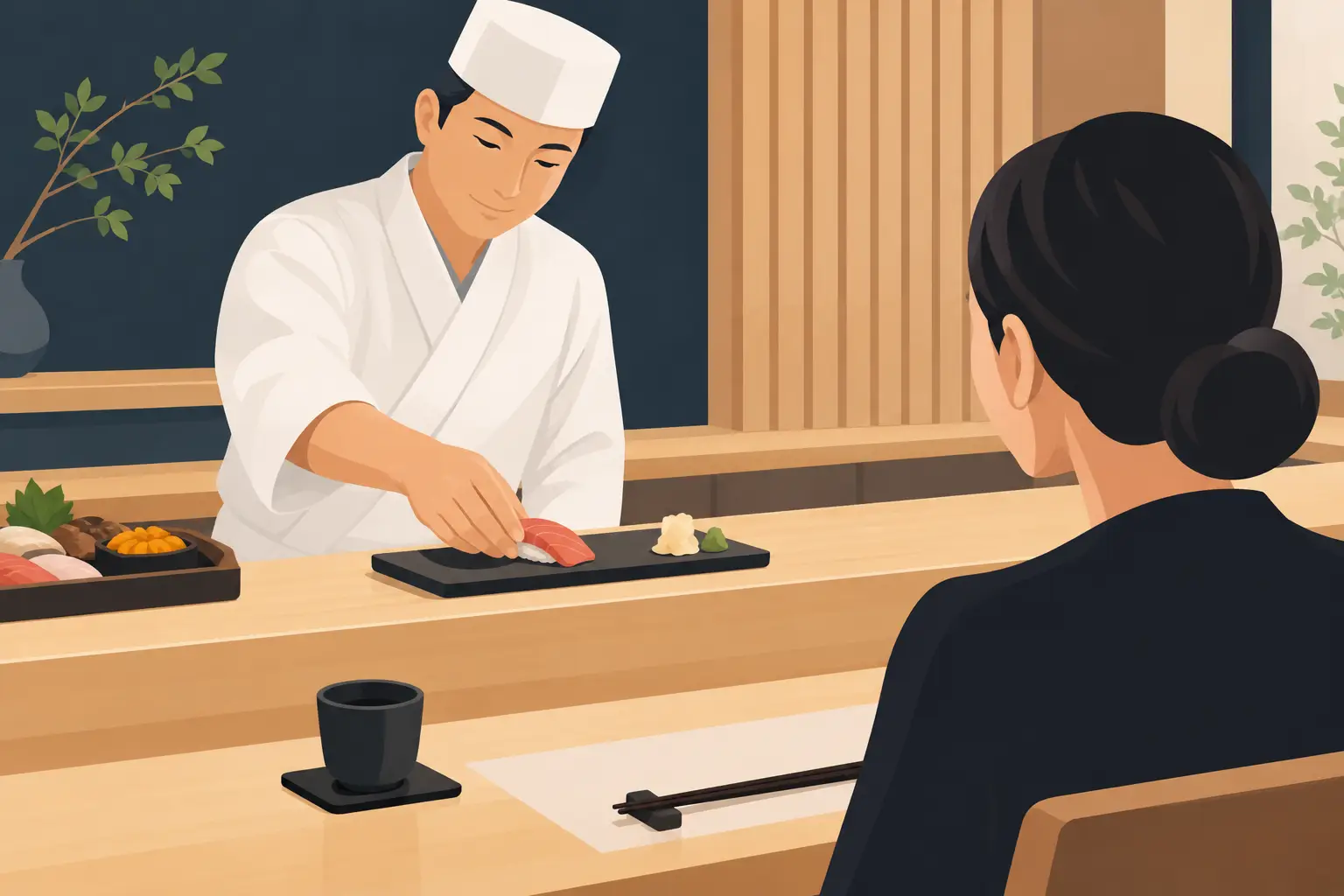
The first piece of sushi arrives before you have had time to study a long menu: perhaps bright, clean-tasting hirame, then a richer cut of tuna, each served at the temperature and pace the chef intended. That is the appeal of omakase. Learning how to order omakase is less about knowing every Japanese fish name and more about trusting a thoughtful sequence of seasonal choices.
Omakase means “I leave it up to you.” In a sushi restaurant, it is a chef-selected meal shaped around what is tasting best that day. It can be an easy weeknight dinner, a date-night choice, or a memorable way to celebrate without turning dinner into a formal test of sushi knowledge.
Start by Choosing the Right Omakase Course
Not every omakase follows the same format. Some are long, reservation-only experiences with a set number of courses. Others are designed for a relaxed dinner, with several course sizes and the freedom to order more if a particular fish catches your attention.
When you book or arrive, ask what each course includes. You do not need a detailed item-by-item preview, but it helps to understand the general shape of the meal: how many pieces of nigiri are included, whether there are appetizers or hand rolls, and whether the chef’s selections change with the market. A shorter course can be the better choice if you are new to omakase, dining before an event, or planning to share other dishes. A larger course makes sense when sushi is the main event and you want to experience a wider range of fish.
Price matters too, and it is reasonable to decide your budget before you sit down. Omakase does not have to be saved for rare occasions. At UO NIGIRI, accessible courses starting at $38 make it possible to enjoy chef-selected seasonal sushi in a comfortable, casual setting. The value is not just the number of pieces. It is the care behind the selection, preparation, and order in which they are served.
How to Order Omakase and Share Preferences
The best time to speak up is before the first course arrives. Tell your server or chef about allergies, dietary restrictions, pregnancy-related concerns, and foods you cannot eat. Be specific. “I have a shellfish allergy” gives the kitchen much more useful information than “I do not like seafood.”
Preferences are welcome as well. If you do not eat raw fish, dislike uni, or prefer not to have anything too rich, say so early. A good sushi team wants the meal to work for you. Still, omakase is most rewarding when you leave room for surprise. Instead of ruling out every unfamiliar fish, try describing the flavors you enjoy. You might say you like lean, clean fish; buttery textures; smoky flavors; or richer tuna cuts.
There is a difference between a true restriction and a passing hesitation. A chef can easily avoid something you cannot eat. If you are simply unsure about a fish you have never tried, consider letting it arrive. Seasonal fish is often at its most compelling when a chef has chosen it for that particular day.
Mention Your Pace and Occasion
If you have a theater time, a child dining with you, or a later reservation elsewhere, let the team know when you are seated. Omakase is paced intentionally, but restaurants can often adjust the timing within reason. For a birthday or anniversary, mention it when booking or checking in so the staff can help make the evening feel considered without making it overly formal.
Trust the Fish, Not Just the Familiar Names
Many diners first judge a sushi meal by whether they recognize salmon, yellowtail, or tuna. Those are excellent choices, but an omakase meal is also a chance to taste beyond the usual order. Depending on the season and sourcing, the chef may serve Japanese sea bream, Spanish mackerel, golden eye snapper, sweet shrimp, or a cut from a whole Bluefin tuna that rarely appears on a standard menu.
Freshness is more than a delivery date. Great sushi depends on how fish is sourced, transported, broken down, aged when appropriate, and cut for service. Some fish benefit from a day or two of controlled aging to deepen flavor and improve texture. Others are best served with a bright, immediate quality. Rice temperature, seasoning, knife work, and a precise brush of soy or citrus can change the entire bite.
That is why omakase is worth ordering at a restaurant with serious fish knowledge. A chef who buys from Tokyo’s Toyosu Market, New Zealand, and the East and West Coasts can respond to the season rather than relying on the same limited selection every day. When whole, wild Bluefin tuna is prepared in-house, different cuts can be served in ways that show their distinct character, from lean akami to richer toro.
Let the Chef Set the First Bite
When nigiri is placed in front of you, eat it soon after it is served. Sushi is not meant to wait while the rest of the table photographs every course. The chef has chosen that moment because the rice is warm, the fish is properly tempered, and the garnish is in balance.
Most omakase nigiri is already seasoned. If the chef has brushed on soy sauce or added salt, citrus, or a small garnish, taste it as served first. Adding extra soy sauce can hide the flavor the chef has built. If you do use soy sauce with a plain piece of nigiri, lightly touch the fish side to the sauce rather than soaking the rice. Too much sauce can overpower delicate fish and make the rice fall apart.
Use your fingers or chopsticks, whichever feels more natural. Both are appropriate for nigiri. Pickled ginger is best treated as a palate cleanser between different pieces, not piled on top of the sushi. Wasabi is there to complement the fish, not to turn every bite into a challenge.
Ask Questions, but Read the Room
A thoughtful question can make omakase more enjoyable. Ask what a fish is, where it came from, or why it is being served with a particular seasoning. These details often reveal the point of the course. You may learn that a fish is only available briefly, that a mackerel has been lightly cured, or that a richer tuna cut is being followed by something clean and crisp for contrast.
At the same time, the chef may be serving several guests and working with exact timing. Save longer conversations for a natural pause rather than stopping the chef during every piece. Curiosity is appreciated; demanding a lecture with each bite is less practical during a busy service.
If a piece does not land for you, there is no need to pretend otherwise. A simple “That was new for me” or “I usually prefer lighter fish” gives useful feedback and keeps the experience honest. The goal is not to prove that you have sophisticated tastes. It is to find what you enjoy.
Drinks Can Support, Not Compete With, the Sushi
Water, green tea, beer, sake, and wine can all work with omakase. The best choice depends on your preferences and the meal. Crisp sake or a light lager can refresh the palate alongside richer fish. Tea and water are especially good if you want to focus closely on subtle changes from one piece to the next.
If you order wine or cocktails, consider keeping the flavors restrained. A highly sweet, smoky, or heavily spiced drink can flatten the nuances in white fish, shellfish, and delicately seasoned nigiri. One drink you genuinely enjoy is better than selecting a pairing you feel obligated to understand.
Know When to Add More
A set course does not always mean dinner must end immediately afterward. If a particular selection was excellent, ask whether it is available as an additional piece. This is a good way to revisit a favorite or try one more fish you noticed being served nearby.
Be aware that availability changes quickly. The chef may have only a small amount of a rare fish, or it may be reserved for the course sequence. If something is unavailable, take it as a sign that the restaurant is serving what the market provided rather than forcing a fixed menu.
You also do not have to add more. A satisfying omakase should leave you pleasantly full, not uncomfortable. If you are unsure, pause for a few minutes after the final course before deciding. Flavor and fullness can catch up with you.
The easiest way to approach omakase is to arrive with a clear budget, communicate what the chef needs to know, and stay open to the fish in front of you. A great meal may introduce you to a new favorite, but it should also make you want to come back when you are simply craving good sushi on an ordinary night.
MEDIA

SIGN UP OUR NEWSLETTER
 13354 Washington Blvd.,
Los Angeles, CA 90066
Lunch: Temporarily Closed
Dinner: Mon - Sat 5:30 pm - 10:00 pm (Last Call 9:30 pm)
Sun Closed